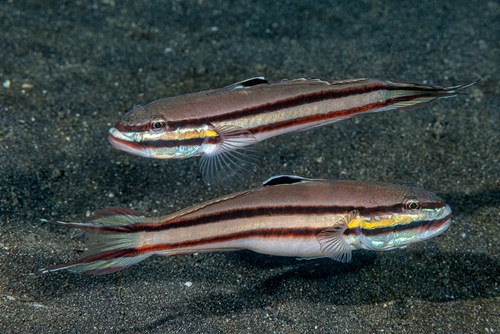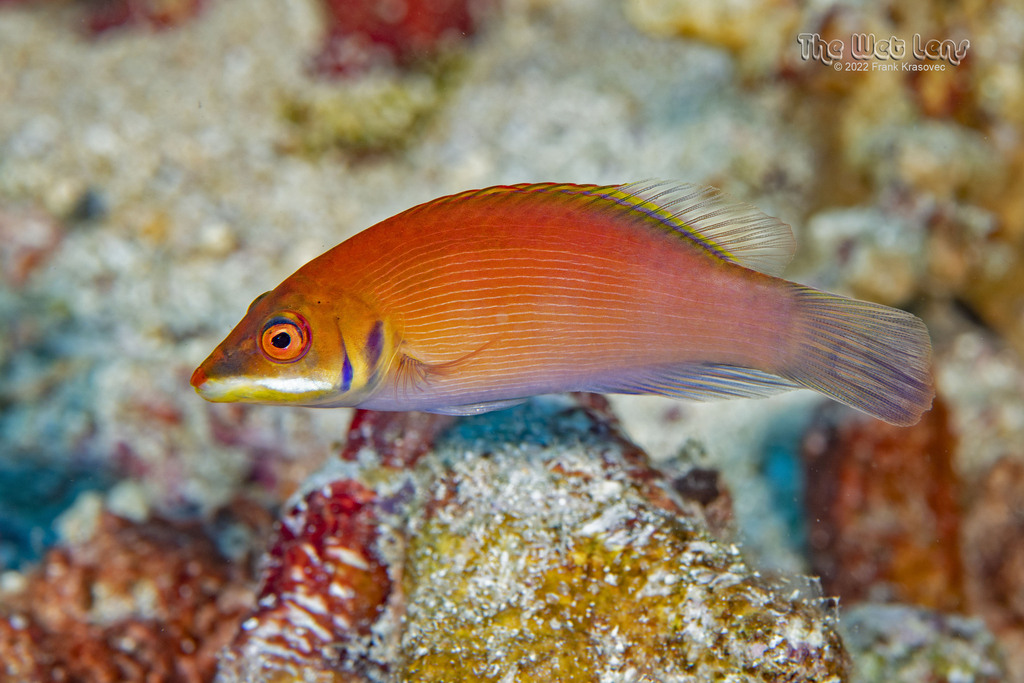
striated wrasse
pseudocheilinus evanidus
In Stock
Common stock
Wild Caught
Moderate care
With Caution
SKU: ML-MF-0435
The striated wrasse boasts vibrant colors and dynamic behavior, making it a captivating addition to marine aquariums.
Pricing for Verified Importers
Log in to see wholesale prices and order.
Export Size
up to 12.0 cm
Origin
Indo-Pacific
Temperature
24.0–28.0°C
Min. Tank Size
150 L
Salinity
1.020–1.025 ppt
pH
8.10–8.40
Diet
carnivore
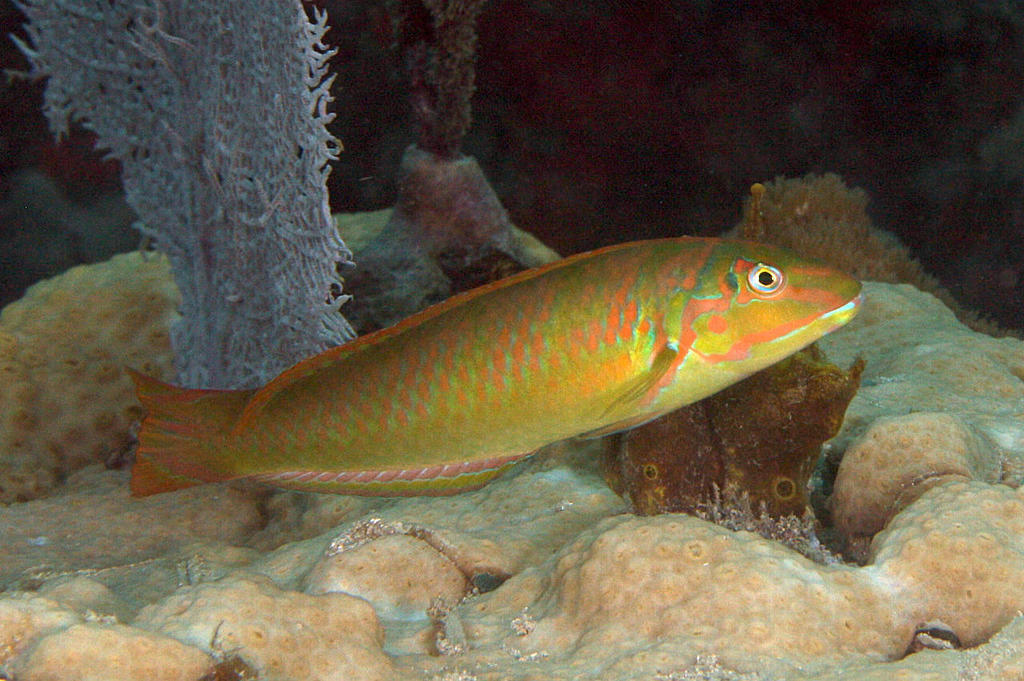
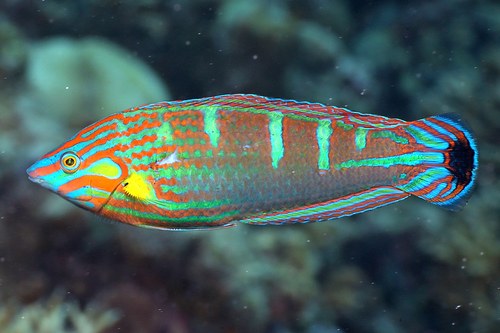
The striated wrasse (Pseudocheilinus evanidus) is a striking marine fish native to the coral reefs of the Indo-Pacific region. Known for its vibrant coloration, this species showcases a combination of blue, yellow, and green hues, with distinct vertical stripes that provide an eye-catching appearance. Adult striated wrasses can reach up to 12 cm in length, making them a manageable size for various marine aquarium setups.
In terms of behavior, striated wrasses are active and inquisitive fish, often seen darting among the crevices of coral reefs in search of food. Their diet primarily consists of small invertebrates, which they hunt with agility. These wrasses are known for their unique feeding strategy, employing their protrusible mouths to extract prey from small openings in the reef structure.
The natural habitat of the striated wrasse is typically shallow, warm waters, where they thrive among the coral reefs. They are commonly found at depths ranging from 1 to 30 meters, where they prefer areas with abundant coral cover, as this provides both food and shelter. Their association with coral reefs underscores their role in maintaining the ecological balance of these vibrant ecosystems.
As a species, striated wrasses are generally considered peaceful and can coexist with other marine fish, making them suitable for community tanks. However, they can exhibit territorial behavior, especially towards their own kind, so it is advisable to house them in appropriate group sizes or as solitary specimens in larger aquariums.
In terms of behavior, striated wrasses are active and inquisitive fish, often seen darting among the crevices of coral reefs in search of food. Their diet primarily consists of small invertebrates, which they hunt with agility. These wrasses are known for their unique feeding strategy, employing their protrusible mouths to extract prey from small openings in the reef structure.
The natural habitat of the striated wrasse is typically shallow, warm waters, where they thrive among the coral reefs. They are commonly found at depths ranging from 1 to 30 meters, where they prefer areas with abundant coral cover, as this provides both food and shelter. Their association with coral reefs underscores their role in maintaining the ecological balance of these vibrant ecosystems.
As a species, striated wrasses are generally considered peaceful and can coexist with other marine fish, making them suitable for community tanks. However, they can exhibit territorial behavior, especially towards their own kind, so it is advisable to house them in appropriate group sizes or as solitary specimens in larger aquariums.
When caring for striated wrasses, it is essential to maintain optimal water parameters to ensure their health and well-being. Ideal temperature ranges from 24°C to 28°C, with a salinity level of 1.020 to 1.025 ppt. The pH should be kept between 8.1 and 8.4, replicating the natural conditions of their coral reef habitat.
Feeding striated wrasses requires a varied diet to meet their nutritional needs. High-quality marine flakes, pellets, and frozen foods rich in protein will provide the essential nutrients they require. It's recommended to feed them several small meals daily, rather than one large feeding, to mimic their natural foraging behavior.
Compatibility-wise, striated wrasses can be kept with a variety of other marine fish; however, careful consideration should be given to tank mates to avoid aggression. Acclimation should be done slowly, allowing the fish to adjust to their new environment, while quarantine procedures are essential to prevent the introduction of diseases to the main tank.
Finally, it is crucial to provide a well-structured environment with plenty of hiding spaces, such as live rock and coral, to ensure the striated wrasse feels secure in its habitat. Regular monitoring of water quality and fish behavior will also help in maintaining a healthy aquarium ecosystem.
Feeding striated wrasses requires a varied diet to meet their nutritional needs. High-quality marine flakes, pellets, and frozen foods rich in protein will provide the essential nutrients they require. It's recommended to feed them several small meals daily, rather than one large feeding, to mimic their natural foraging behavior.
Compatibility-wise, striated wrasses can be kept with a variety of other marine fish; however, careful consideration should be given to tank mates to avoid aggression. Acclimation should be done slowly, allowing the fish to adjust to their new environment, while quarantine procedures are essential to prevent the introduction of diseases to the main tank.
Finally, it is crucial to provide a well-structured environment with plenty of hiding spaces, such as live rock and coral, to ensure the striated wrasse feels secure in its habitat. Regular monitoring of water quality and fish behavior will also help in maintaining a healthy aquarium ecosystem.
Striated wrasses are suitable for air shipping, provided they are packed securely with adequate water and aeration. A packing density of 1 fish per 2 to 3 liters of water is recommended to minimize stress during transport. It is important to maintain a stable temperature between 24°C and 28°C during shipping to prevent temperature shock. This species is not listed under CITES, simplifying export regulations.
Species Parameters
Max Adult Size
12.0 cm
Origin
Indo-Pacific
Diet
carnivore
Temp Min
24.0 °C
Temp Max
28.0 °C
Salinity Min
1.020
Salinity Max
1.025
pH Min
8.10
pH Max
8.40
Min Tank
150 L