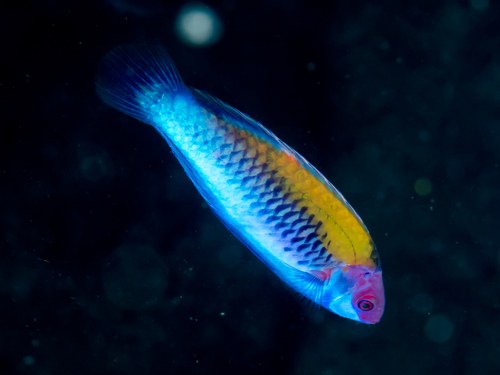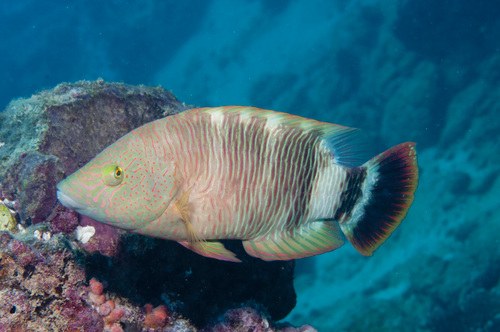
Tripletailed Wrasse
Cheilinus trilobatus
In Stock
Common stock
Wild Caught
Moderate care
With Caution
SKU: CB-MF-0126
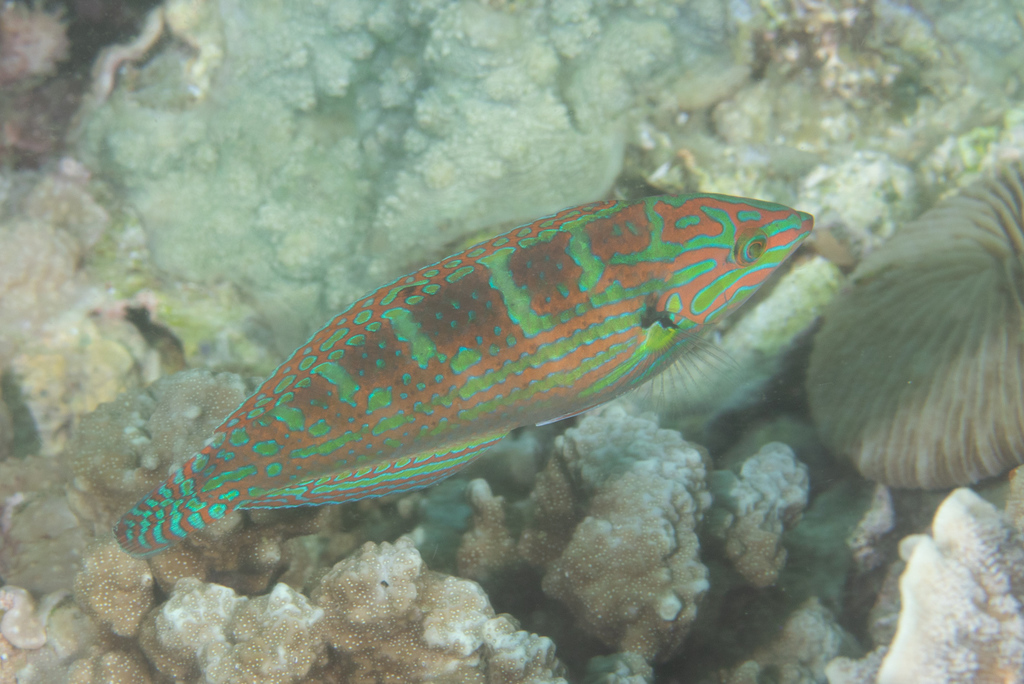
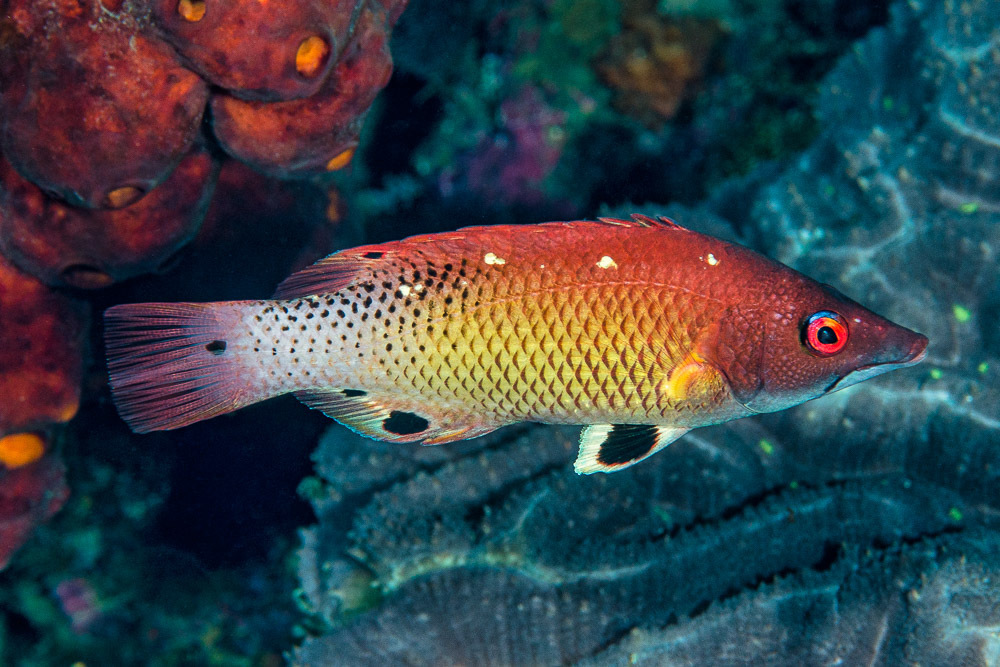
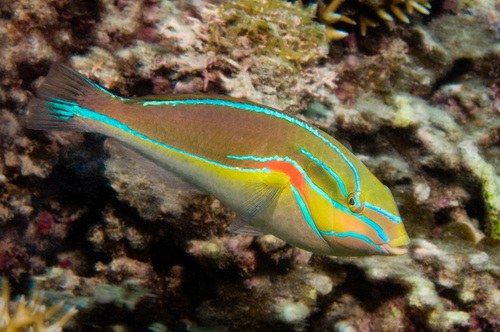
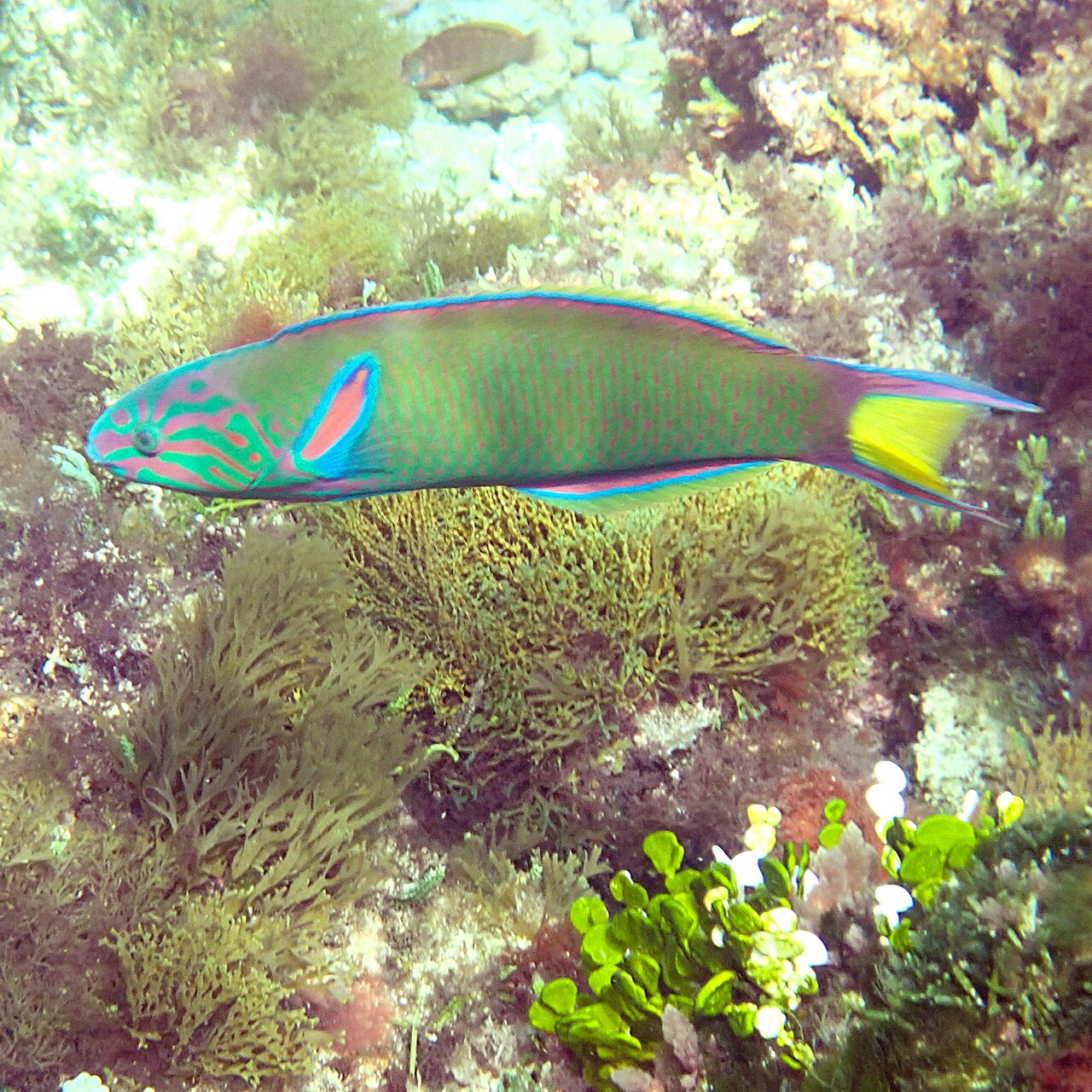
The Tripletailed Wrasse is a stunning marine fish known for its vibrant colors and unique tail structure.
Pricing for Verified Importers
Log in to see wholesale prices and order.
Export Size
up to 30.0 cm
Origin
Indo-Pacific
Temperature
24.0–28.0°C
Min. Tank Size
200 L
Salinity
1.020–1.025 ppt
pH
8.10–8.40
Diet
carnivore
The Tripletailed Wrasse (Cheilinus trilobatus) is a captivating marine fish native to the coral reefs of the Indo-Pacific region. This species is recognized for its striking appearance, featuring a body adorned with vivid hues of green and blue, along with a unique tripletailed fin that distinguishes it from other wrasse species. Adult Tripletailed Wrasses can reach sizes of up to 30 cm, making them a notable presence in any aquarium setup.
In terms of behavior, the Tripletailed Wrasse is known for its curious and active nature. These fish are typically found in shallow waters, often hovering around coral reefs where they seek shelter and food. Their diet consists primarily of small invertebrates, which they hunt with agility and precision. This species is also known to exhibit territorial behavior, especially during breeding seasons, making it an interesting addition for aquarists looking for dynamic interactions in their tanks.
The preferred habitat of the Tripletailed Wrasse includes coral-rich environments where they can find ample food and hiding spots. They thrive in warm, clear waters, commonly residing at depths of 1 to 30 meters. The health of their populations is closely linked to the wellbeing of coral reefs, which are increasingly threatened by environmental changes and human activities.
Overall, the Tripletailed Wrasse is not just a beautiful fish; it also plays a crucial role in maintaining the ecological balance of its natural habitat. Its vibrant colors and active behavior make it a popular choice among aquarium enthusiasts, providing both aesthetic pleasure and educational opportunities regarding marine ecosystems.
In terms of behavior, the Tripletailed Wrasse is known for its curious and active nature. These fish are typically found in shallow waters, often hovering around coral reefs where they seek shelter and food. Their diet consists primarily of small invertebrates, which they hunt with agility and precision. This species is also known to exhibit territorial behavior, especially during breeding seasons, making it an interesting addition for aquarists looking for dynamic interactions in their tanks.
The preferred habitat of the Tripletailed Wrasse includes coral-rich environments where they can find ample food and hiding spots. They thrive in warm, clear waters, commonly residing at depths of 1 to 30 meters. The health of their populations is closely linked to the wellbeing of coral reefs, which are increasingly threatened by environmental changes and human activities.
Overall, the Tripletailed Wrasse is not just a beautiful fish; it also plays a crucial role in maintaining the ecological balance of its natural habitat. Its vibrant colors and active behavior make it a popular choice among aquarium enthusiasts, providing both aesthetic pleasure and educational opportunities regarding marine ecosystems.
To successfully care for Tripletailed Wrasses, it is essential to maintain stable water conditions. Optimal temperature ranges from 24 to 28°C, with salinity levels between 1.020 and 1.025 ppt. The pH should be kept between 8.1 and 8.4 to mimic their natural reef environment. A minimum tank size of 200 liters is recommended to provide ample swimming space and territorial boundaries.
Feeding these fish is relatively straightforward, as they are carnivorous and thrive on a varied diet. Offer high-quality pellets, frozen foods like mysis shrimp, and live foods to ensure they receive adequate nutrition. Regular feeding, about twice a day, will help maintain their health and vibrancy.
When introducing Tripletailed Wrasses into a community tank, it’s important to consider their territorial nature. They can be compatible with other reef-safe fish, but caution should be exercised when adding other wrasses or similarly shaped species. Acclimation should be done gradually to minimize stress, ideally using a drip acclimation method. Quarantine new arrivals for at least two weeks to prevent the spread of diseases.
Overall, with proper care and attention to their environmental needs, Tripletailed Wrasses can thrive in captivity, providing a stunning display for any aquarium.
Feeding these fish is relatively straightforward, as they are carnivorous and thrive on a varied diet. Offer high-quality pellets, frozen foods like mysis shrimp, and live foods to ensure they receive adequate nutrition. Regular feeding, about twice a day, will help maintain their health and vibrancy.
When introducing Tripletailed Wrasses into a community tank, it’s important to consider their territorial nature. They can be compatible with other reef-safe fish, but caution should be exercised when adding other wrasses or similarly shaped species. Acclimation should be done gradually to minimize stress, ideally using a drip acclimation method. Quarantine new arrivals for at least two weeks to prevent the spread of diseases.
Overall, with proper care and attention to their environmental needs, Tripletailed Wrasses can thrive in captivity, providing a stunning display for any aquarium.
Tripletailed Wrasses are suitable for shipping, but proper care must be taken to ensure their safe transport. They should be packed with adequate space to swim and should be transported at temperatures between 24 and 28°C to prevent stress. It's advisable to limit packing density to ensure sufficient oxygen supply. As of now, this species is not listed under CITES but check local regulations prior to export.
Species Parameters
Max Adult Size
30.0 cm
Origin
Indo-Pacific
Diet
carnivore
Temp Min
24.0 °C
Temp Max
28.0 °C
Salinity Min
1.020
Salinity Max
1.025
pH Min
8.10
pH Max
8.40
Min Tank
200 L