White Sand Anemone
Heteractis Crispa
In Stock
Common stock
Wild Caught
Moderate care
SKU: CB-SC-0063
The White Sand Anemone captivates with its vibrant colors and intricate texture.
Pricing for Verified Importers
Log in to see wholesale prices and order.
Export Size
up to 30.0 cm
Origin
Indo-Pacific
Temperature
24.0–28.0°C
Min. Tank Size
50 L
pH
7.80–8.40
Diet
carnivore
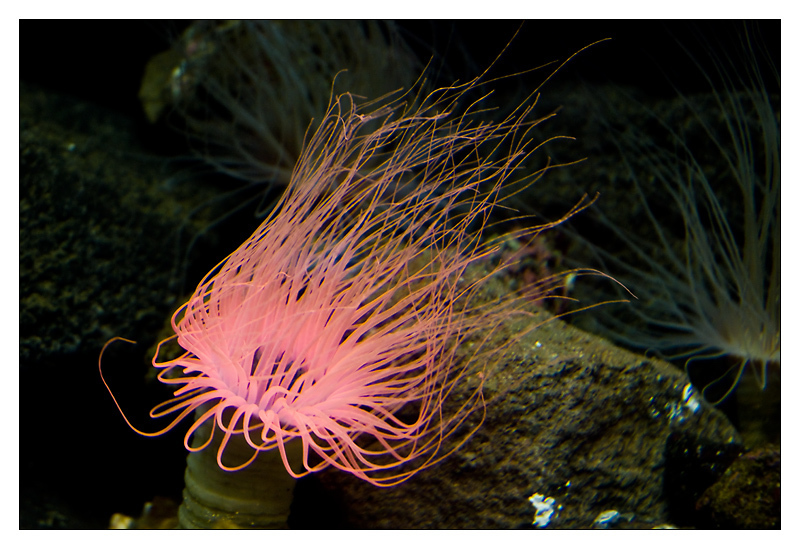
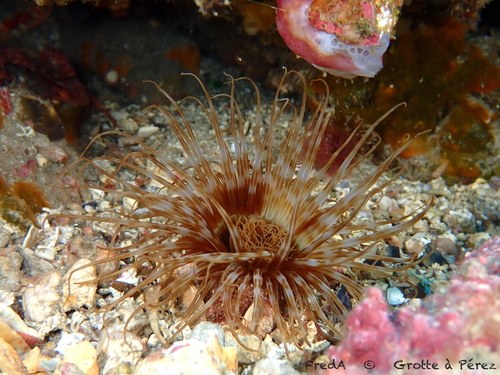
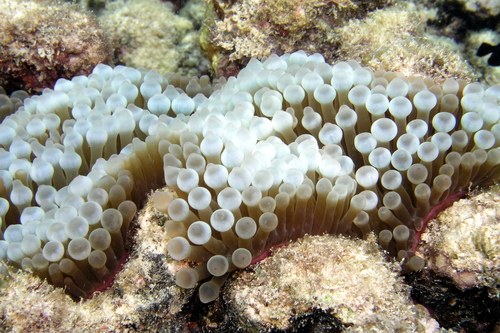
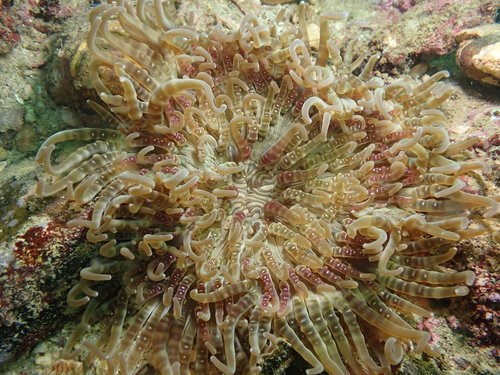
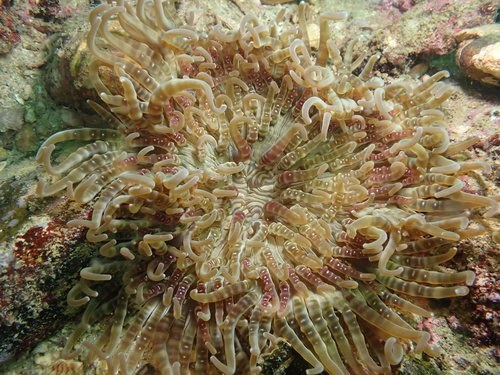
The White Sand Anemone, scientifically known as Heteractis crispa, is a striking species native to the warm, shallow waters of the Indo-Pacific region. This anemone is particularly renowned for its beautiful, flowing tentacles that can exhibit a range of white to pale colors, often with hints of blue or green. It thrives in sandy substrates where its body can anchor securely, providing a safe and stable environment for its intricate lifecycle.
In terms of behavior, the White Sand Anemone is a host for various species of clownfish, which form a symbiotic relationship with it. These clownfish provide the anemone with nutrients through their waste, while receiving protection from predators within the anemone's stinging tentacles. The anemone itself is capable of expanding and contracting its tentacles to capture prey, primarily small fish and zooplankton, showcasing its carnivorous feeding habits.
The natural habitat of the White Sand Anemone includes coral reefs, lagoons, and sandy seabeds, where it can often be found in large clusters. Its ability to adapt to varying light conditions allows it to thrive in both bright and shaded areas. This adaptability makes it a popular choice for marine aquarists looking to recreate a vibrant reef environment in their tanks.
Overall, the White Sand Anemone is not only an essential component of its ecosystem but also a visually stunning addition to any aquarium. Its unique features and fascinating behavior make it a sought-after species among marine life enthusiasts and retailers alike.
In terms of behavior, the White Sand Anemone is a host for various species of clownfish, which form a symbiotic relationship with it. These clownfish provide the anemone with nutrients through their waste, while receiving protection from predators within the anemone's stinging tentacles. The anemone itself is capable of expanding and contracting its tentacles to capture prey, primarily small fish and zooplankton, showcasing its carnivorous feeding habits.
The natural habitat of the White Sand Anemone includes coral reefs, lagoons, and sandy seabeds, where it can often be found in large clusters. Its ability to adapt to varying light conditions allows it to thrive in both bright and shaded areas. This adaptability makes it a popular choice for marine aquarists looking to recreate a vibrant reef environment in their tanks.
Overall, the White Sand Anemone is not only an essential component of its ecosystem but also a visually stunning addition to any aquarium. Its unique features and fascinating behavior make it a sought-after species among marine life enthusiasts and retailers alike.
For optimal care of the White Sand Anemone, maintaining stable water parameters is crucial. The ideal water temperature ranges from 24°C to 28°C, with a pH level between 7.8 and 8.4. While salinity is not applicable for this species, it is essential to ensure the water is clean and well-filtered to prevent any harmful contaminants.
Feeding the White Sand Anemone requires a varied diet; they thrive on high-quality meaty foods such as shrimp, fish, and specialized anemone pellets. It is recommended to feed them several times a week, ensuring they receive adequate nutrition without overfeeding, which can lead to poor water quality.
In terms of compatibility, the White Sand Anemone generally does well with clownfish and other peaceful marine species. However, caution should be exercised when introducing new tank mates, as some fish may be prone to stinging or may attempt to consume the anemone. Acclimation should be done slowly to mitigate stress, utilizing a drip acclimation method over several hours.
Quarantine is advisable for any new arrivals to monitor for diseases or parasites. A separate quarantine tank can help ensure the health of the anemone and any potential tank mates before introducing them to the main aquarium setup.
Feeding the White Sand Anemone requires a varied diet; they thrive on high-quality meaty foods such as shrimp, fish, and specialized anemone pellets. It is recommended to feed them several times a week, ensuring they receive adequate nutrition without overfeeding, which can lead to poor water quality.
In terms of compatibility, the White Sand Anemone generally does well with clownfish and other peaceful marine species. However, caution should be exercised when introducing new tank mates, as some fish may be prone to stinging or may attempt to consume the anemone. Acclimation should be done slowly to mitigate stress, utilizing a drip acclimation method over several hours.
Quarantine is advisable for any new arrivals to monitor for diseases or parasites. A separate quarantine tank can help ensure the health of the anemone and any potential tank mates before introducing them to the main aquarium setup.
The White Sand Anemone is suitable for shipping due to its hardy nature. Packing density should be moderate to allow for movement without damage to the tentacles. It is highly sensitive to temperature changes, so shipping temperatures should be maintained between 24°C and 26°C. Currently, there are no CITES restrictions applicable to this species, facilitating smoother export processes.
Species Parameters
Max Adult Size
30.0 cm
Origin
Indo-Pacific
Diet
carnivore
Temp Min
24.0 °C
Temp Max
28.0 °C
pH Min
7.80
pH Max
8.40
Min Tank
50 L