Black Sea Urchin
arbacia lixula
In Stock
Common stock
Wild Caught
Moderate care
With Caution
SKU: ML-MF-0538
Discover the unique beauty of the Black Sea Urchin, a striking marine species from Bali.
Pricing for Verified Importers
Log in to see wholesale prices and order.
Export Size
up to 10.0 cm
Origin
Indo-Pacific
Temperature
22.0–28.0°C
Min. Tank Size
100 L
Salinity
32.000–35.000 ppt
pH
8.10–8.40
Diet
herbivore
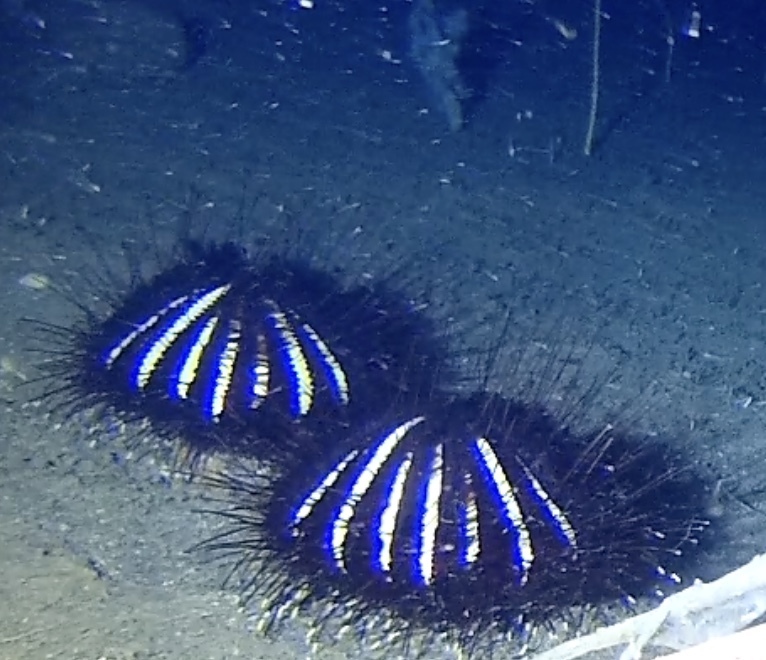
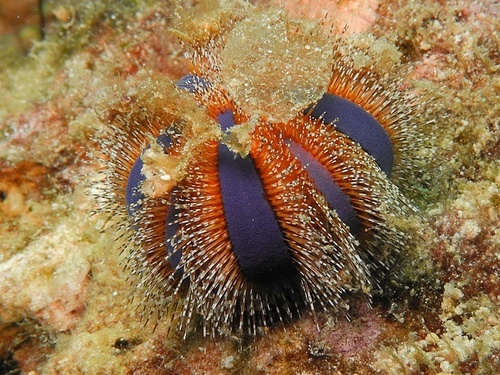
The Black Sea Urchin (Arbacia lixula) is a fascinating marine echinoderm known for its striking dark coloration and spiny exterior. Typically found in rocky substrates, this species thrives in the shallow waters of the Indo-Pacific region, particularly around coral reefs where it plays a crucial role in the ecosystem. With a distinctive round body that can reach up to 10 cm in diameter, its spines can vary in length and contribute to its ability to camouflage within its habitat.
As herbivores, Black Sea Urchins primarily feed on algae, which they graze from the substrate. Their feeding habits help to maintain the balance of the reef ecosystem by controlling algal growth. These urchins exhibit interesting behaviors, including hiding among rocks during the day and becoming more active at night when they forage. This nocturnal behavior allows them to minimize predation risks while maximizing their feeding opportunities.
The habitat of the Black Sea Urchin consists of rocky substrates and coral reefs, where they can easily blend in due to their dark coloration. They are often found in areas with abundant algae and are known to be sensitive to environmental changes, highlighting their importance as indicators of ecosystem health. Their resilience and adaptability make them a fascinating species for both research and aquarists alike.
In addition to their ecological significance, Black Sea Urchins are sought after for their aesthetic appeal in aquariums. Their unique appearance and behavior make them a captivating addition to marine displays, offering both beauty and educational value to enthusiasts and professionals alike.
As herbivores, Black Sea Urchins primarily feed on algae, which they graze from the substrate. Their feeding habits help to maintain the balance of the reef ecosystem by controlling algal growth. These urchins exhibit interesting behaviors, including hiding among rocks during the day and becoming more active at night when they forage. This nocturnal behavior allows them to minimize predation risks while maximizing their feeding opportunities.
The habitat of the Black Sea Urchin consists of rocky substrates and coral reefs, where they can easily blend in due to their dark coloration. They are often found in areas with abundant algae and are known to be sensitive to environmental changes, highlighting their importance as indicators of ecosystem health. Their resilience and adaptability make them a fascinating species for both research and aquarists alike.
In addition to their ecological significance, Black Sea Urchins are sought after for their aesthetic appeal in aquariums. Their unique appearance and behavior make them a captivating addition to marine displays, offering both beauty and educational value to enthusiasts and professionals alike.
When caring for Black Sea Urchins, maintaining optimal water parameters is crucial. Ideal temperature ranges from 22°C to 28°C, with a salinity of 32-35 ppt. The pH level should be kept between 8.1 and 8.4 to simulate their natural environment. A minimum tank size of 100 liters is recommended to provide adequate space for movement and foraging.
Feeding should focus on a diet rich in algae, which can be supplemented with high-quality seaweed and algae wafers. Regular feeding will help ensure their health and vitality. Black Sea Urchins are generally peaceful and can coexist with a variety of marine species, but caution should be taken with predatory fish that may view them as prey.
Acclimation should be done slowly to prevent shock; it is advisable to introduce them to the aquarium after several hours of floating the bag in the tank water. Quarantine new specimens for at least two weeks to monitor for any signs of disease or stress before introducing them to the main display tank. This practice helps ensure a healthy environment for both the urchins and other tank inhabitants.
Feeding should focus on a diet rich in algae, which can be supplemented with high-quality seaweed and algae wafers. Regular feeding will help ensure their health and vitality. Black Sea Urchins are generally peaceful and can coexist with a variety of marine species, but caution should be taken with predatory fish that may view them as prey.
Acclimation should be done slowly to prevent shock; it is advisable to introduce them to the aquarium after several hours of floating the bag in the tank water. Quarantine new specimens for at least two weeks to monitor for any signs of disease or stress before introducing them to the main display tank. This practice helps ensure a healthy environment for both the urchins and other tank inhabitants.
Black Sea Urchins are sensitive to temperature fluctuations and should be packed with care to maintain a stable environment during shipping. A density of 1-2 urchins per liter is recommended to minimize stress. The ideal shipping temperature is between 20°C and 25°C. As a species not listed under CITES, there are no additional export restrictions, making them suitable for international shipping.
Species Parameters
Max Adult Size
10.0 cm
Origin
Indo-Pacific
Diet
herbivore
Temp Min
22.0 °C
Temp Max
28.0 °C
Salinity Min
32.000
Salinity Max
35.000
pH Min
8.10
pH Max
8.40
Min Tank
100 L