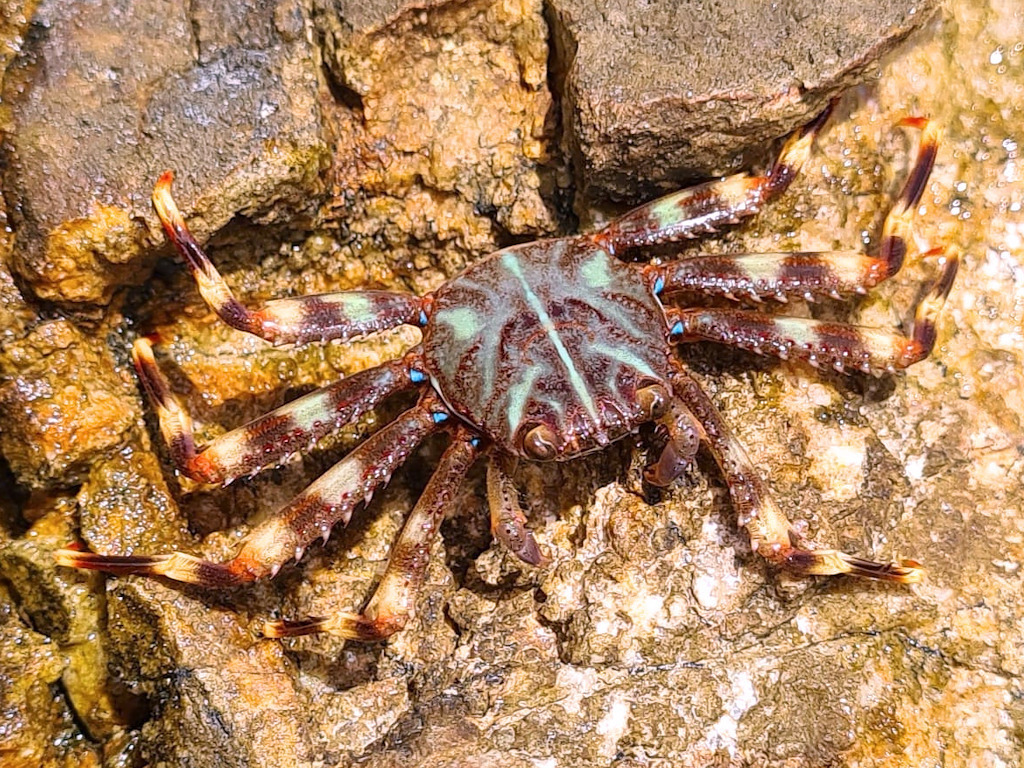
Boxer Crab
Lybia Tessellata
In Stock
Common stock
Wild Caught
Moderate care
With Caution
SKU: CB-MF-0452
The Boxer Crab is a unique marine species known for its striking appearance and fascinating behavior.
Pricing for Verified Importers
Log in to see wholesale prices and order.
Export Size
up to 6.0 cm
Origin
Indo-Pacific
Temperature
24.0–28.0°C
Min. Tank Size
50 L
Salinity
35.000–37.000 ppt
pH
8.10–8.40
Diet
omnivore
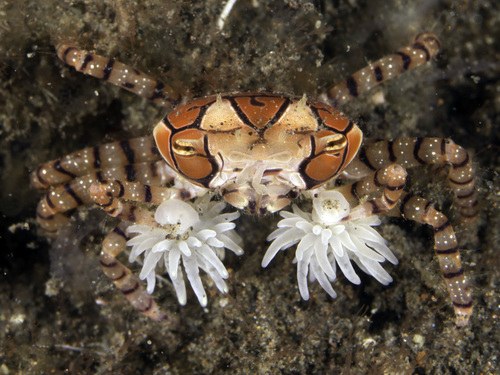
The Boxer Crab (Lybia tessellata) is a small yet captivating marine crustacean native to the shallow reefs of the Indo-Pacific region. This species is easily recognizable due to its distinctive coloration, featuring a vibrant orange body adorned with white spots and striking blue pincers that resemble boxing gloves. These unique features not only make them visually appealing but also serve as a form of camouflage against predators in their natural habitat.
Boxer Crabs are known for their intriguing symbiotic relationship with anemones, often carrying them on their claws as a form of protection. This behavior not only aids in their survival but also provides the anemones with mobility and access to food. They typically inhabit shallow waters and sandy substrates around coral reefs, where they can find both shelter and food.
In terms of behavior, Boxer Crabs are relatively social and can often be observed engaging in playful interactions with each other. They are primarily nocturnal, foraging for small invertebrates and detritus at night while spending the day hiding among coral and rock crevices. Their unique behaviors and interactions with their environment make them a fascinating species for both research and aquarium enthusiasts.
Overall, the Boxer Crab is not only a striking addition to any marine aquarium but also provides insight into the complex relationships found within reef ecosystems, making it a valuable species for both hobbyists and researchers alike.
Boxer Crabs are known for their intriguing symbiotic relationship with anemones, often carrying them on their claws as a form of protection. This behavior not only aids in their survival but also provides the anemones with mobility and access to food. They typically inhabit shallow waters and sandy substrates around coral reefs, where they can find both shelter and food.
In terms of behavior, Boxer Crabs are relatively social and can often be observed engaging in playful interactions with each other. They are primarily nocturnal, foraging for small invertebrates and detritus at night while spending the day hiding among coral and rock crevices. Their unique behaviors and interactions with their environment make them a fascinating species for both research and aquarium enthusiasts.
Overall, the Boxer Crab is not only a striking addition to any marine aquarium but also provides insight into the complex relationships found within reef ecosystems, making it a valuable species for both hobbyists and researchers alike.
To successfully care for Boxer Crabs, it is crucial to maintain stable water parameters. Ideal conditions include a temperature range of 24-28°C, a salinity level of 1.020-1.025 ppt, and a pH level between 8.1 and 8.4. These crabs thrive in well-aerated, clean water, so regular water changes and filtration are essential to ensure a healthy environment.
Feeding Boxer Crabs is relatively straightforward, as they are omnivorous and will accept a varied diet. High-quality pellets, frozen foods such as shrimp and squid, and live food can be offered to ensure they receive a balanced diet. Compatibility with other species is generally good, but caution should be exercised with larger or aggressive fish that may view them as prey.
Acclimation should be done slowly to minimize stress; it is recommended to use a drip acclimation method over several hours. Quarantine new arrivals for at least two weeks to monitor for any signs of disease before introducing them to a display tank. Providing ample hiding spots and a sandy substrate will help them feel secure and promote natural behavior in the aquarium.
Feeding Boxer Crabs is relatively straightforward, as they are omnivorous and will accept a varied diet. High-quality pellets, frozen foods such as shrimp and squid, and live food can be offered to ensure they receive a balanced diet. Compatibility with other species is generally good, but caution should be exercised with larger or aggressive fish that may view them as prey.
Acclimation should be done slowly to minimize stress; it is recommended to use a drip acclimation method over several hours. Quarantine new arrivals for at least two weeks to monitor for any signs of disease before introducing them to a display tank. Providing ample hiding spots and a sandy substrate will help them feel secure and promote natural behavior in the aquarium.
Boxer Crabs are well-suited for shipping, provided they are packed carefully to minimize stress. Optimal packing density is one crab per 3-5 liters of water, and temperatures should be maintained between 22-26°C during transit. As a CITES Appendix II species, proper documentation is required for export, ensuring that trade is sustainable and does not threaten wild populations.
Species Parameters
Max Adult Size
6.0 cm
Origin
Indo-Pacific
Diet
omnivore
Temp Min
24.0 °C
Temp Max
28.0 °C
Salinity Min
35.000
Salinity Max
37.000
pH Min
8.10
pH Max
8.40
Min Tank
50 L