Peanut shrimp
saron rectirostris
In Stock
Common stock
Wild Caught
Moderate care
With Caution
SKU: ML-MF-0460
The Peanut shrimp is a vibrant addition to any marine aquarium, renowned for its unique coloration and behavior.
Pricing for Verified Importers
Log in to see wholesale prices and order.
Export Size
up to 5.0 cm
Origin
Indo-Pacific
Temperature
24.0–28.0°C
Min. Tank Size
50 L
Salinity
1.020–1.025 ppt
pH
7.80–8.50
Diet
omnivore
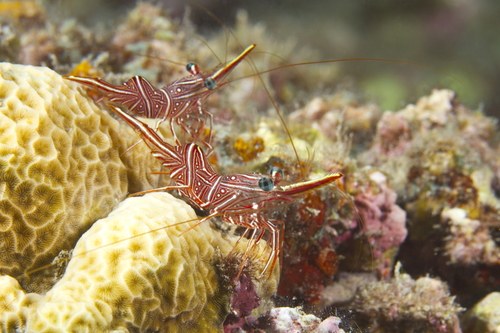
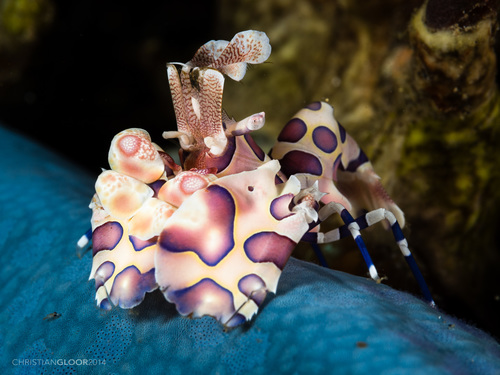
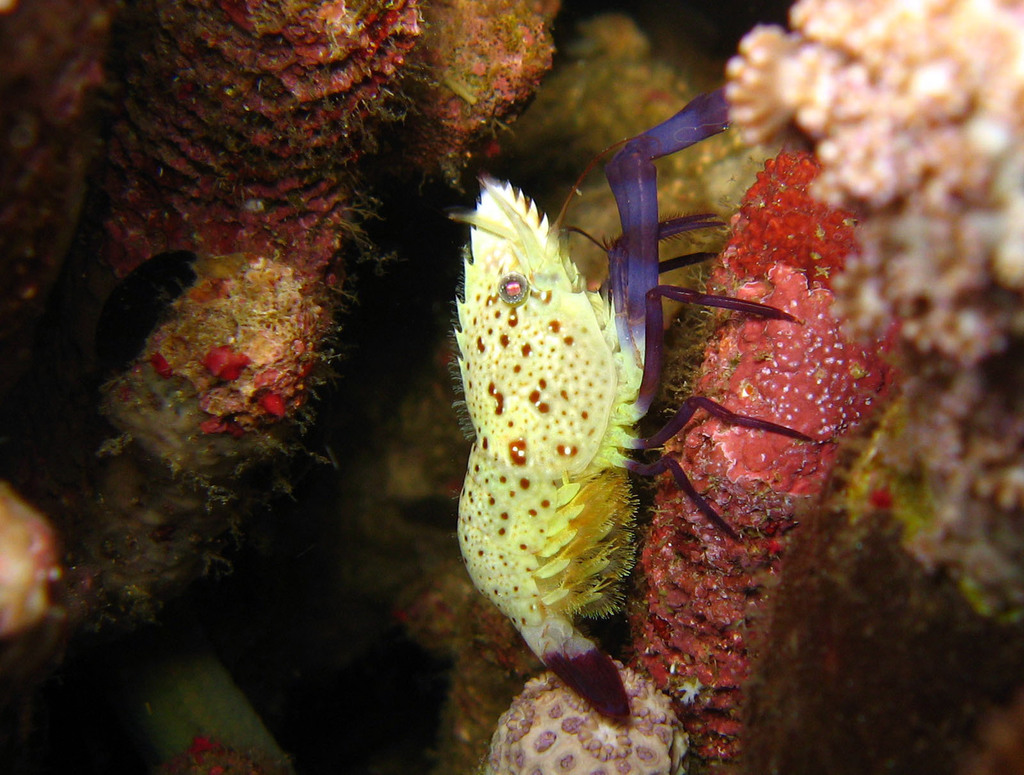
The Peanut shrimp, scientifically known as Saron rectirostris, is a striking marine crustacean commonly found in the warm, shallow waters of the Indo-Pacific region. Characterized by its distinctive peanut-shaped body and vivid coloration, which can range from bright yellow to orange with intricate patterns, this shrimp is not only a visual delight but also a fascinating creature to observe in a home aquarium.
Natural history reveals that Peanut shrimp are typically found in coral reefs and rocky substrates, where they play a vital role in the ecosystem by scavenging on detritus and algae. Their slender bodies can reach a maximum size of around 5 cm, making them an ideal choice for smaller marine tanks. Behaviorally, these shrimp are known for their social nature, often seen interacting with each other and other reef inhabitants, showcasing their inquisitive personalities.
In terms of habitat, the Peanut shrimp thrives in environments with plenty of hiding spots, such as crevices and caves in coral reefs. They are most active during the day but can also exhibit nocturnal behaviors, foraging for food and exploring their surroundings. Their adaptability to different environments contributes to their popularity among aquarium enthusiasts.
Due to their vibrant appearance and engaging behaviors, Peanut shrimp are increasingly sought after by marine aquarium keepers. Their resilience and ability to adjust to various water conditions further enhance their appeal, making them a staple in many marine collections.
Natural history reveals that Peanut shrimp are typically found in coral reefs and rocky substrates, where they play a vital role in the ecosystem by scavenging on detritus and algae. Their slender bodies can reach a maximum size of around 5 cm, making them an ideal choice for smaller marine tanks. Behaviorally, these shrimp are known for their social nature, often seen interacting with each other and other reef inhabitants, showcasing their inquisitive personalities.
In terms of habitat, the Peanut shrimp thrives in environments with plenty of hiding spots, such as crevices and caves in coral reefs. They are most active during the day but can also exhibit nocturnal behaviors, foraging for food and exploring their surroundings. Their adaptability to different environments contributes to their popularity among aquarium enthusiasts.
Due to their vibrant appearance and engaging behaviors, Peanut shrimp are increasingly sought after by marine aquarium keepers. Their resilience and ability to adjust to various water conditions further enhance their appeal, making them a staple in many marine collections.
To ensure the health and vitality of Peanut shrimp in captivity, it's crucial to maintain optimal water parameters. The ideal temperature range for these shrimp is between 24°C to 28°C, with a salinity level of 1.020 to 1.025 ppt. The pH should be maintained between 7.8 and 8.5. Regular water changes and monitoring are recommended to keep the environment stable.
Feeding Peanut shrimp is relatively straightforward, as they are omnivorous. A varied diet consisting of high-quality flakes, pellets, and occasional treats of frozen or live food such as brine shrimp and daphnia will keep them healthy and active. It's important to ensure they receive adequate nutrition without overfeeding, which can lead to water quality issues.
When introducing Peanut shrimp to a new aquarium, acclimation is essential. Slowly acclimate them over a few hours to minimize stress. They are typically peaceful and can coexist with other small marine species; however, avoid keeping them with larger or aggressive fish that may see them as prey. Quarantine new arrivals for at least two weeks before adding them to the main tank to prevent the introduction of diseases.
Creating a suitable environment with plenty of hiding spots, such as live rock or dense vegetation, will help reduce stress and encourage natural behaviors in Peanut shrimp.
Feeding Peanut shrimp is relatively straightforward, as they are omnivorous. A varied diet consisting of high-quality flakes, pellets, and occasional treats of frozen or live food such as brine shrimp and daphnia will keep them healthy and active. It's important to ensure they receive adequate nutrition without overfeeding, which can lead to water quality issues.
When introducing Peanut shrimp to a new aquarium, acclimation is essential. Slowly acclimate them over a few hours to minimize stress. They are typically peaceful and can coexist with other small marine species; however, avoid keeping them with larger or aggressive fish that may see them as prey. Quarantine new arrivals for at least two weeks before adding them to the main tank to prevent the introduction of diseases.
Creating a suitable environment with plenty of hiding spots, such as live rock or dense vegetation, will help reduce stress and encourage natural behaviors in Peanut shrimp.
Peanut shrimp are suitable for shipping due to their hardiness; however, maintaining stable temperatures during transit is crucial. Packing density should be moderate to ensure they have enough space to move and breathe. Ideal shipping temperatures are between 24°C and 28°C. CITES status is not applicable for this species, making export easier.
Species Parameters
Max Adult Size
5.0 cm
Origin
Indo-Pacific
Diet
omnivore
Temp Min
24.0 °C
Temp Max
28.0 °C
Salinity Min
1.020
Salinity Max
1.025
pH Min
7.80
pH Max
8.50
Min Tank
50 L