Long Horn Shrimp
Plesionika Grandis
In Stock
Common stock
Wild Caught
Moderate care
With Caution
SKU: CB-MF-0439
Discover the unique Long Horn Shrimp, known for its striking appearance and fascinating behavior.
Pricing for Verified Importers
Log in to see wholesale prices and order.
Export Size
up to 10.0 cm
Origin
Coral Triangle
Temperature
24.0–28.0°C
Min. Tank Size
100 L
Salinity
30.000–35.000 ppt
pH
7.80–8.50
Diet
carnivore
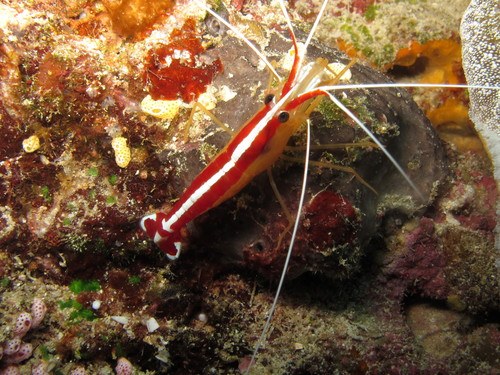
The Long Horn Shrimp (Plesionika Grandis) is a captivating marine crustacean found in the warm waters of the Coral Triangle, with a particular prevalence in the coastal regions of Bali, Indonesia. This species is characterized by its elongated body and prominent antennae, which can exceed the length of its body. Their striking coloration typically includes a blend of vibrant reds and blues, making them a popular choice among aquarium enthusiasts.
In their natural habitat, Long Horn Shrimp inhabit rocky substrates and coral reefs, often hiding in crevices during the day to evade predators. This species is known for its scavenging behavior, feeding primarily on detritus and small organic matter. Their unique morphology and feeding habits play a critical role in the ecosystem, as they help to maintain the health of coral reefs by consuming decaying material.
Socially, Long Horn Shrimp exhibit interesting behaviors. They are generally solitary but can be seen interacting with other marine species, showcasing a symbiotic relationship with certain fish that benefit from their cleaning activities. This shrimp is highly active during the night, when it ventures out to forage and explore its environment, making it a fascinating addition to nocturnal aquarium displays.
With a maximum adult size of around 10 cm, the Long Horn Shrimp is manageable for most aquarists. Its vibrant colors and unique behaviors provide both aesthetic appeal and educational value, making it a sought-after species for marine aquariums.
In their natural habitat, Long Horn Shrimp inhabit rocky substrates and coral reefs, often hiding in crevices during the day to evade predators. This species is known for its scavenging behavior, feeding primarily on detritus and small organic matter. Their unique morphology and feeding habits play a critical role in the ecosystem, as they help to maintain the health of coral reefs by consuming decaying material.
Socially, Long Horn Shrimp exhibit interesting behaviors. They are generally solitary but can be seen interacting with other marine species, showcasing a symbiotic relationship with certain fish that benefit from their cleaning activities. This shrimp is highly active during the night, when it ventures out to forage and explore its environment, making it a fascinating addition to nocturnal aquarium displays.
With a maximum adult size of around 10 cm, the Long Horn Shrimp is manageable for most aquarists. Its vibrant colors and unique behaviors provide both aesthetic appeal and educational value, making it a sought-after species for marine aquariums.
To ensure the health and well-being of Long Horn Shrimp, importers and retailers should maintain water parameters that closely mimic their natural habitat. Ideal temperature ranges from 24°C to 28°C, with a salinity of 30-35 ppt. The pH should be kept between 7.8 and 8.5. A minimum tank size of 100 liters is recommended to provide adequate space for swimming and hiding.
Feeding Long Horn Shrimp is relatively simple, as they are primarily carnivorous scavengers. A varied diet consisting of high-quality pellets, frozen or live foods like brine shrimp and mysis shrimp, will ensure they receive the necessary nutrients. Compatibility with other marine species is generally good, but caution should be taken with larger or more aggressive tank mates that may pose a threat.
Acclimation should be done slowly to minimize stress. It's recommended to drip acclimate for several hours before introducing them to the aquarium. Quarantine new specimens for at least two weeks to monitor for any signs of disease before adding them to display tanks.
Feeding Long Horn Shrimp is relatively simple, as they are primarily carnivorous scavengers. A varied diet consisting of high-quality pellets, frozen or live foods like brine shrimp and mysis shrimp, will ensure they receive the necessary nutrients. Compatibility with other marine species is generally good, but caution should be taken with larger or more aggressive tank mates that may pose a threat.
Acclimation should be done slowly to minimize stress. It's recommended to drip acclimate for several hours before introducing them to the aquarium. Quarantine new specimens for at least two weeks to monitor for any signs of disease before adding them to display tanks.
Long Horn Shrimp are suitable for shipping, provided they are packed securely to minimize movement. A packing density of 1-2 shrimp per liter is recommended to ensure adequate oxygen and space. They are sensitive to temperature fluctuations, so maintaining a stable shipping temperature of 24-26°C is crucial. Currently, there are no CITES restrictions on this species.
Species Parameters
Max Adult Size
10.0 cm
Origin
Coral Triangle
Diet
carnivore
Temp Min
24.0 °C
Temp Max
28.0 °C
Salinity Min
30.000
Salinity Max
35.000
pH Min
7.80
pH Max
8.50
Min Tank
100 L