Common banded mantis shrimp/Zebra Shrimp
lysiosquillina maculata
In Stock
Common stock
Wild Caught
Moderate care
With Caution
SKU: ML-MF-0458
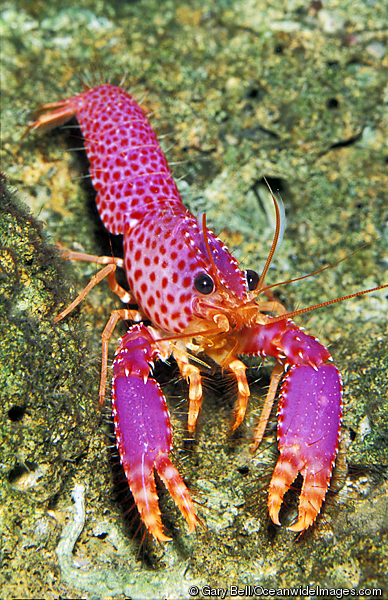
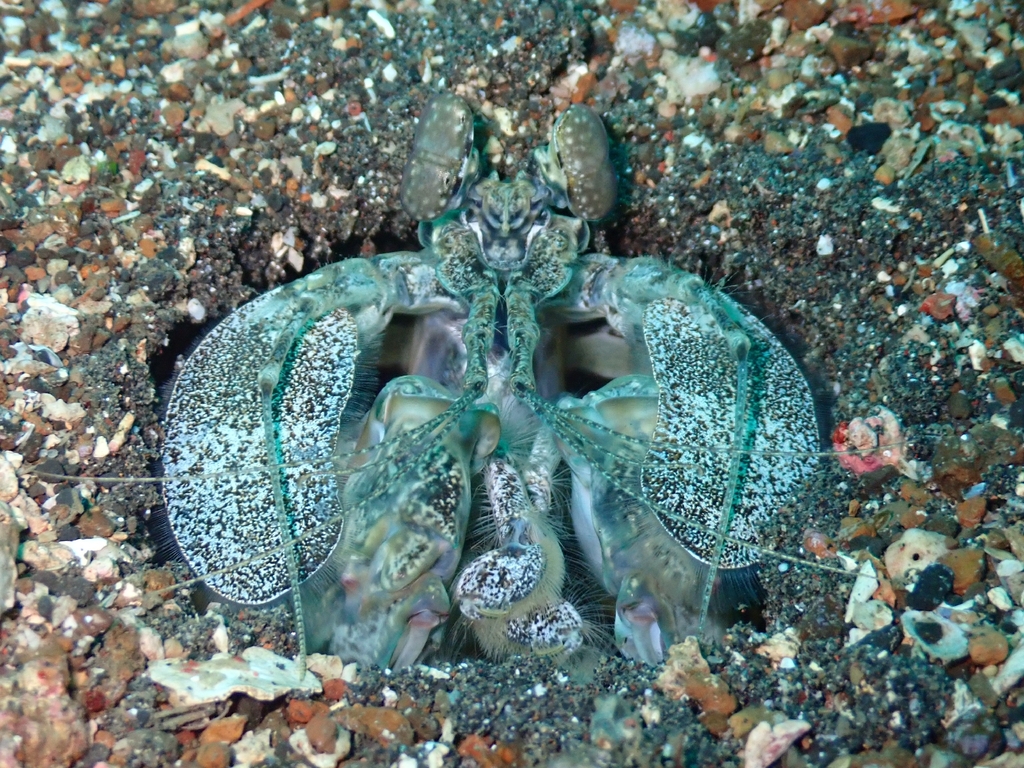
The Common banded mantis shrimp is a colorful marvel of the marine world, known for its striking appearance and unique predatory skills.
Pricing for Verified Importers
Log in to see wholesale prices and order.
Export Size
up to 20.0 cm
Origin
Indo-Pacific
Temperature
24.0–28.0°C
Min. Tank Size
100 L
Salinity
30.000–35.000 ppt
pH
8.10–8.40
Diet
carnivore
The Common banded mantis shrimp, scientifically known as Lysiosquillina maculata, is a fascinating marine species found predominantly in the warm waters of the Indo-Pacific region. This vibrant shrimp is celebrated not only for its striking coloration, featuring bands of blue, green, and yellow, but also for its remarkable predatory capabilities. Equipped with specialized raptorial appendages, the mantis shrimp can deliver an incredibly swift and powerful strike, allowing it to capture prey such as small fish and crustaceans with precision.
In terms of natural history, the Common banded mantis shrimp prefers shallow, sandy or rocky substrates where it can burrow and hide from predators. These shrimp are also known for their complex behaviors, including communication through color patterns and body language. Their social structure can vary, with some species exhibiting territorial behavior while others may engage in cooperative hunting.
Appearance-wise, the Common banded mantis shrimp can grow up to 20 cm in length. The male and female exhibit sexual dimorphism, with males generally being more brightly colored. Their compound eyes are among the most sophisticated in the animal kingdom, enabling them to see a broader spectrum of colors and polarized light, enhancing their ability to detect prey and predators alike.
Habitat-wise, these shrimp thrive in coral reefs and lagoons, making them a crucial part of the marine ecosystem. Their unique ecological role, combined with their striking appearance, makes them a popular choice for aquarium enthusiasts and collectors. However, sustainable harvesting practices are essential to ensure their populations remain stable in the wild.
In terms of natural history, the Common banded mantis shrimp prefers shallow, sandy or rocky substrates where it can burrow and hide from predators. These shrimp are also known for their complex behaviors, including communication through color patterns and body language. Their social structure can vary, with some species exhibiting territorial behavior while others may engage in cooperative hunting.
Appearance-wise, the Common banded mantis shrimp can grow up to 20 cm in length. The male and female exhibit sexual dimorphism, with males generally being more brightly colored. Their compound eyes are among the most sophisticated in the animal kingdom, enabling them to see a broader spectrum of colors and polarized light, enhancing their ability to detect prey and predators alike.
Habitat-wise, these shrimp thrive in coral reefs and lagoons, making them a crucial part of the marine ecosystem. Their unique ecological role, combined with their striking appearance, makes them a popular choice for aquarium enthusiasts and collectors. However, sustainable harvesting practices are essential to ensure their populations remain stable in the wild.
For importers and retailers managing the care of the Common banded mantis shrimp, it is crucial to maintain optimal water parameters. The ideal temperature range is between 24°C to 28°C, with a salinity of 30-35 ppt. The pH should be kept between 8.1 and 8.4 to mimic their natural habitat. A minimum tank size of 100 liters is recommended to provide ample space for these active hunters.
Feeding should focus on a carnivorous diet, including small fish, crustaceans, and a variety of marine protein foods. Due to their aggressive nature, it is advisable to house them either alone or with similarly sized, robust tank mates to avoid conflicts. Acclimation should be gradual; introduce them to the aquarium slowly to reduce stress. A quarantine period of at least two weeks is recommended before introducing them to the main display to prevent the spread of potential diseases.
Regular monitoring of water quality is essential, as these shrimp are sensitive to changes in their environment. Providing hiding spots like rocks or caves will help them feel secure, promoting healthy behavior and reducing stress.
Feeding should focus on a carnivorous diet, including small fish, crustaceans, and a variety of marine protein foods. Due to their aggressive nature, it is advisable to house them either alone or with similarly sized, robust tank mates to avoid conflicts. Acclimation should be gradual; introduce them to the aquarium slowly to reduce stress. A quarantine period of at least two weeks is recommended before introducing them to the main display to prevent the spread of potential diseases.
Regular monitoring of water quality is essential, as these shrimp are sensitive to changes in their environment. Providing hiding spots like rocks or caves will help them feel secure, promoting healthy behavior and reducing stress.
The Common banded mantis shrimp is suitable for shipping, but care must be taken to ensure they are packed securely to prevent injury during transit. A packing density of 1-2 individuals per liter is recommended, with adequate ventilation and moisture. They are sensitive to temperature fluctuations, so maintaining a stable temperature between 24°C and 28°C during shipping is crucial. This species is not listed under CITES, but sustainable sourcing practices should always be followed.
Species Parameters
Max Adult Size
20.0 cm
Origin
Indo-Pacific
Diet
carnivore
Temp Min
24.0 °C
Temp Max
28.0 °C
Salinity Min
30.000
Salinity Max
35.000
pH Min
8.10
pH Max
8.40
Min Tank
100 L