Peacock Mantis Shrimp
Odontodactylus sp.
Limited
Occasional stock
Wild Caught
Moderate care
With Caution
SKU: D214
The Peacock Mantis Shrimp is a vibrant, intelligent invertebrate known for its powerful claws and striking colors.
Pricing for Verified Importers
Log in to see wholesale prices and order.
Export Size
up to 18.0 cm
Origin
Indo-Pacific
Temperature
24.0–28.0°C
Min. Tank Size
75 L
pH
8.10–8.40
Diet
carnivore
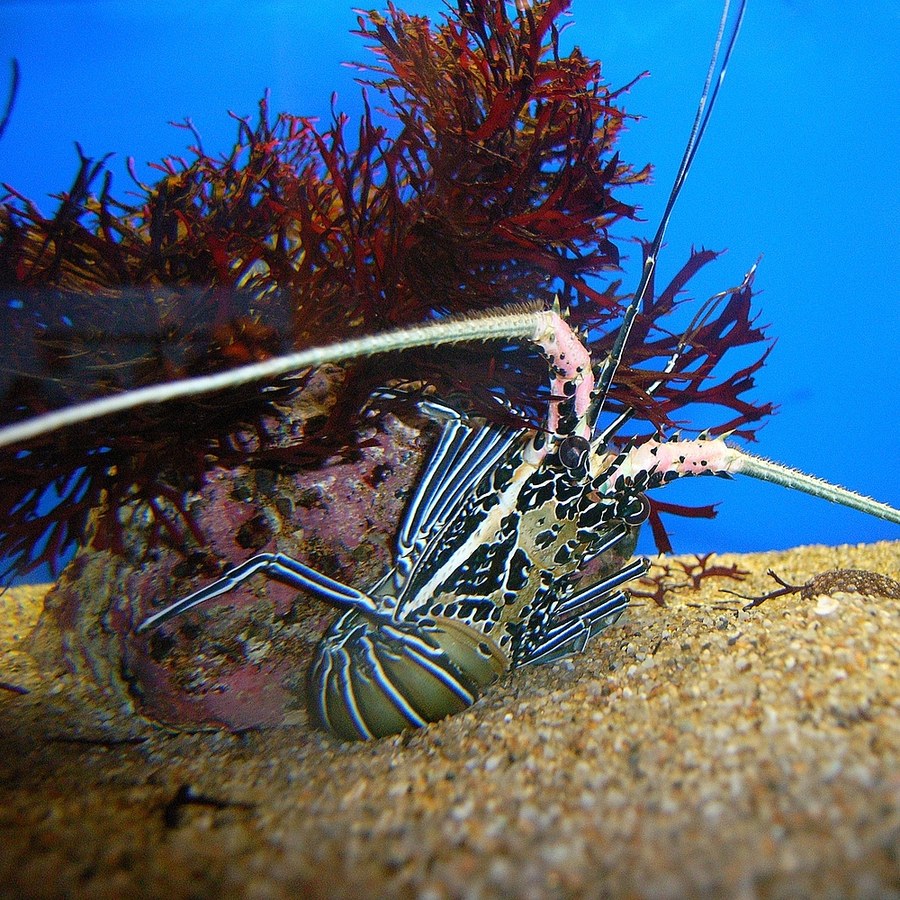
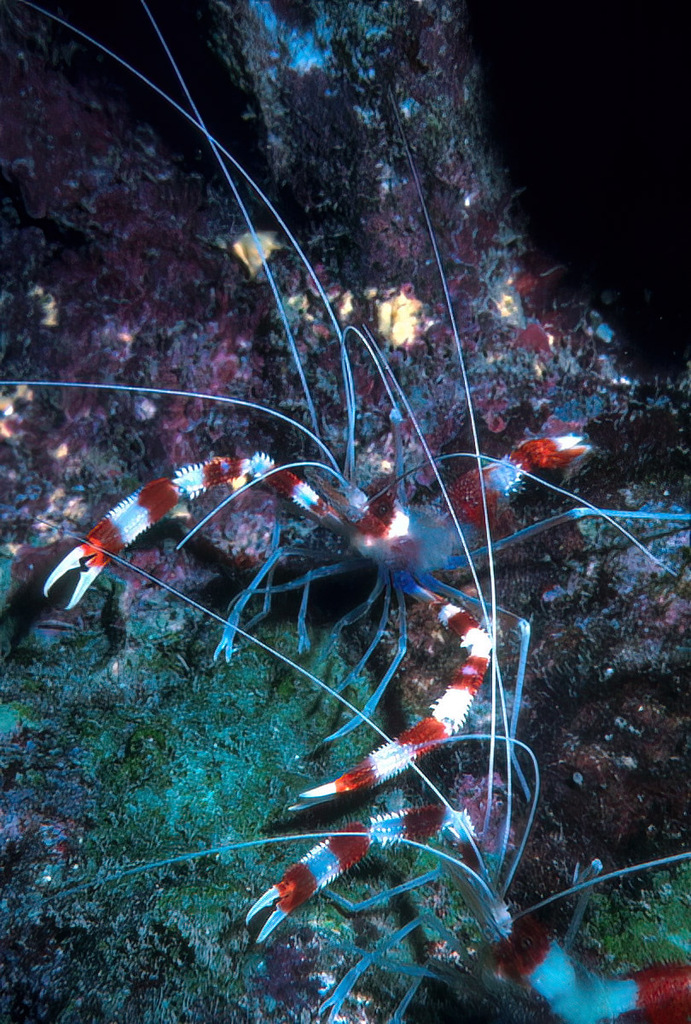
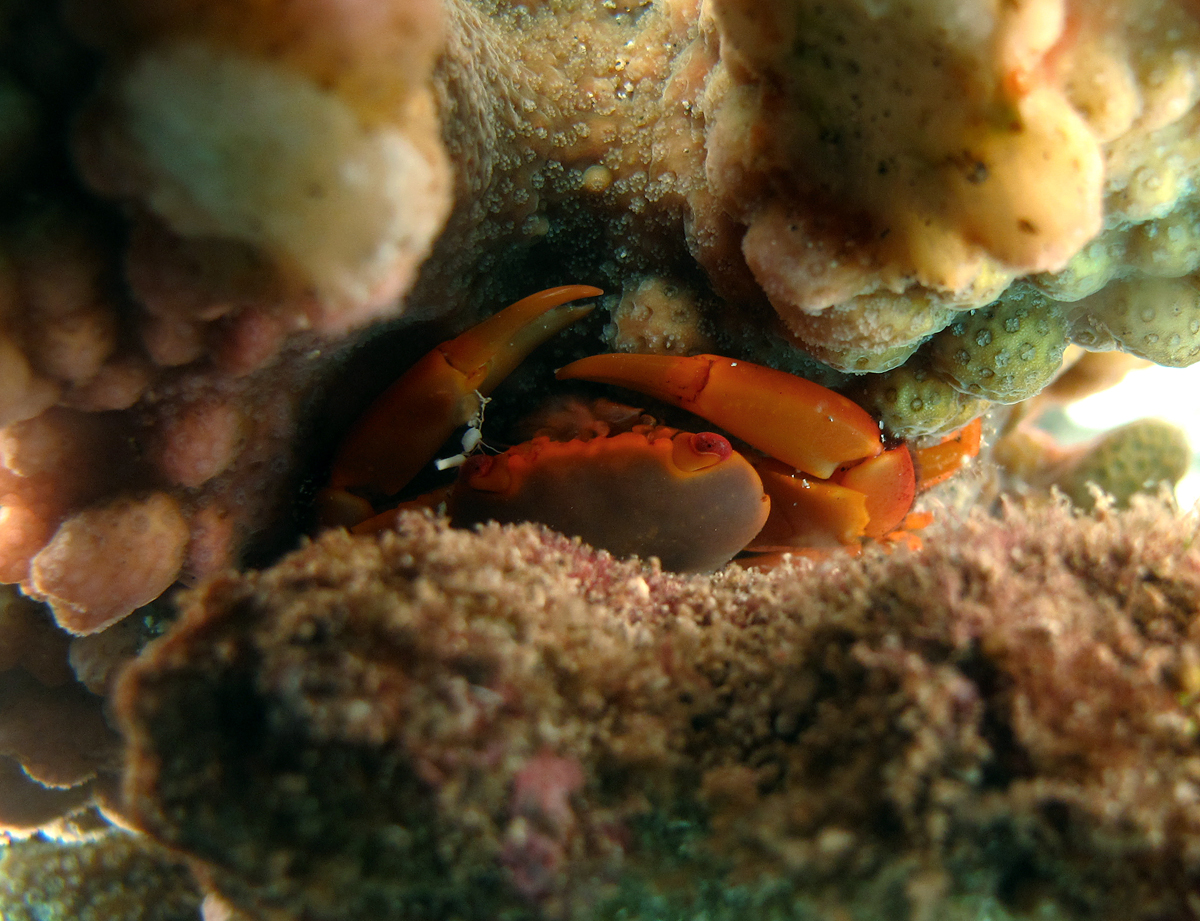
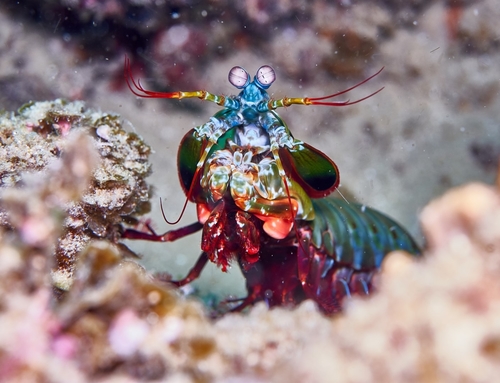
The Peacock Mantis Shrimp (Odontodactylus sp.) is a stunning invertebrate found in the tropical waters of the Indo-Pacific region, particularly around coral reefs. This species is renowned for its incredible eyesight, consisting of 16 types of photoreceptors, allowing it to perceive a broader spectrum of colors than most marine animals. Mantis shrimps are also famous for their specialized raptorial claws, which they use to hunt prey with astonishing speed and force, capable of breaking glass aquariums.
In terms of appearance, the Peacock Mantis Shrimp is characterized by its vibrant colors, which can range from bright greens and blues to shades of red and yellow. These colors serve not only as a form of communication but also as camouflage among the coral and rocky substrates of their natural habitat. The body is elongated, with a carapace that can reach up to 18 cm in length, and their eyes are mounted on stalks, giving them a unique and striking look.
Behaviorally, these creatures are known for their aggressive nature, often establishing and defending territories from others of their kind. They exhibit complex social behaviors, including intricate courtship displays. Their diet primarily consists of small fish, crustaceans, and mollusks, which they capture using their quick and powerful claws. In the wild, they inhabit burrows that they dig in the sand or coral, providing both a hunting ground and a safe refuge from predators.
The Peacock Mantis Shrimp thrives in warm, shallow waters with ample rock and coral structures. They prefer environments with plenty of hiding spots, which are essential for their survival and hunting strategies. The combination of vibrant coloration, exceptional vision, and aggressive behavior makes the Peacock Mantis Shrimp a fascinating addition to marine aquariums.
In terms of appearance, the Peacock Mantis Shrimp is characterized by its vibrant colors, which can range from bright greens and blues to shades of red and yellow. These colors serve not only as a form of communication but also as camouflage among the coral and rocky substrates of their natural habitat. The body is elongated, with a carapace that can reach up to 18 cm in length, and their eyes are mounted on stalks, giving them a unique and striking look.
Behaviorally, these creatures are known for their aggressive nature, often establishing and defending territories from others of their kind. They exhibit complex social behaviors, including intricate courtship displays. Their diet primarily consists of small fish, crustaceans, and mollusks, which they capture using their quick and powerful claws. In the wild, they inhabit burrows that they dig in the sand or coral, providing both a hunting ground and a safe refuge from predators.
The Peacock Mantis Shrimp thrives in warm, shallow waters with ample rock and coral structures. They prefer environments with plenty of hiding spots, which are essential for their survival and hunting strategies. The combination of vibrant coloration, exceptional vision, and aggressive behavior makes the Peacock Mantis Shrimp a fascinating addition to marine aquariums.
When caring for Peacock Mantis Shrimp, it’s essential to maintain optimal water parameters to ensure their health and longevity. The ideal temperature range is between 24°C to 28°C, with a pH level between 8.1 and 8.4. As this species is marine, salinity levels should be maintained at 30-35 ppt. A minimum tank size of 75 liters is recommended to provide ample space for swimming and burrowing.
Feeding a balanced diet is crucial for their well-being. They are carnivores and should be offered a variety of meaty foods, including shrimp, fish, and high-quality pellets designed for carnivorous marine species. It’s important to feed them in moderation to prevent overfeeding and maintain water quality.
In terms of compatibility, Peacock Mantis Shrimp can be territorial and aggressive towards other tank mates, especially similar-sized invertebrates and fish. It’s advisable to house them alone or with larger, more robust species that can withstand their aggressive behavior. Acclimation should be done slowly to minimize stress; a drip acclimation method is recommended.
Quarantine new arrivals for at least two weeks to prevent the introduction of diseases into established tanks. Monitor their condition closely for any signs of stress or illness during this period.
Feeding a balanced diet is crucial for their well-being. They are carnivores and should be offered a variety of meaty foods, including shrimp, fish, and high-quality pellets designed for carnivorous marine species. It’s important to feed them in moderation to prevent overfeeding and maintain water quality.
In terms of compatibility, Peacock Mantis Shrimp can be territorial and aggressive towards other tank mates, especially similar-sized invertebrates and fish. It’s advisable to house them alone or with larger, more robust species that can withstand their aggressive behavior. Acclimation should be done slowly to minimize stress; a drip acclimation method is recommended.
Quarantine new arrivals for at least two weeks to prevent the introduction of diseases into established tanks. Monitor their condition closely for any signs of stress or illness during this period.
Peacock Mantis Shrimp are suitable for shipping but require careful handling due to their aggressive nature and powerful claws. Packing density should be low to prevent stress and injury during transit. Ideal shipping temperatures should be maintained between 24°C and 28°C, with appropriate insulation and heat packs if necessary. They are not listed under CITES but should be sourced responsibly.
Species Parameters
Max Adult Size
18.0 cm
Origin
Indo-Pacific
Habitat
reef
Diet
carnivore
Temp Min
24.0 °C
Temp Max
28.0 °C
pH Min
8.10
pH Max
8.40
Min Tank
75 L