Zanzibar Coral Shrimp
Stenopus zanzibaricus
In Stock
Common stock
Wild Caught
Moderate care
With Caution
SKU: CB-MF-0442
The Zanzibar Coral Shrimp is a striking and vibrant marine species, perfect for reef tanks.
Pricing for Verified Importers
Log in to see wholesale prices and order.
Export Size
up to 6.0 cm
Origin
Indo-Pacific
Temperature
24.0–28.0°C
Min. Tank Size
50 L
Salinity
20.000–25.000 ppt
pH
8.10–8.40
Diet
omnivore
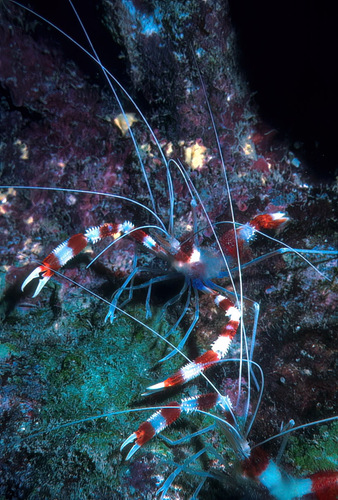
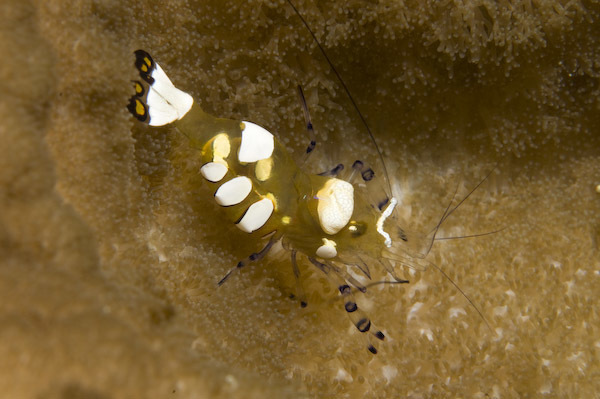
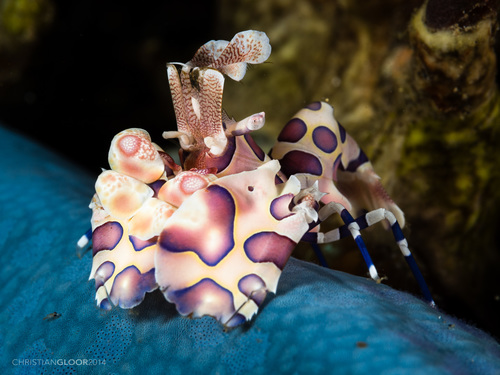
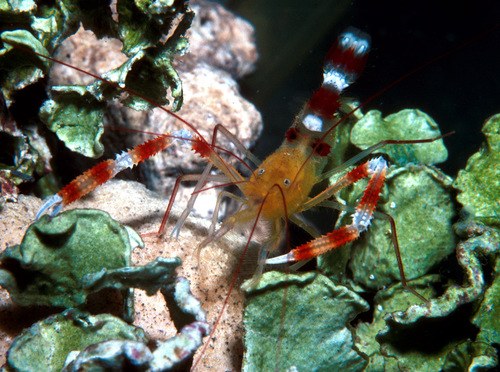
The Zanzibar Coral Shrimp (Stenopus zanzibaricus) is renowned for its vivid coloration and striking appearance, making it a popular choice among marine aquarium enthusiasts. Characterized by its bright red body adorned with white stripes, this shrimp can reach lengths of up to 6 cm. Its striking appearance is complemented by long, slender claws, which it uses to interact with its environment, particularly when feeding. Known for their engaging behavior, these shrimp are often seen actively cleaning their habitat, showcasing their dynamic nature.
In the wild, the Zanzibar Coral Shrimp inhabits coral reefs and rocky substrates across the Indo-Pacific region, particularly around the islands of the Coral Triangle. They thrive in warm, shallow waters where they can find ample hiding spots among corals and crevices. This shrimp species is highly social and is often found in small groups, enhancing the visual appeal of any aquarium setup. Their natural habitat requires stable environmental conditions, making them sensitive to changes in water quality.
Behaviorally, Zanzibar Coral Shrimp are known for their cleaning symbiosis with various fish species, often picking parasites and dead tissue from their hosts. This behavior not only benefits the fish but also provides the shrimp with a food source, creating a mutually beneficial relationship. Their active lifestyle and inquisitive nature make them delightful additions to community tanks, where they interact with tank mates and contribute to the overall health of the aquarium ecosystem.
Due to their vibrant colors and intriguing behavior, these shrimp are a fascinating addition to reef tanks, but they require careful attention to water parameters and compatibility with other species in the aquarium. Their presence can enhance the aesthetic appeal of any marine setup, making them a sought-after species for importers and wholesalers alike.
In the wild, the Zanzibar Coral Shrimp inhabits coral reefs and rocky substrates across the Indo-Pacific region, particularly around the islands of the Coral Triangle. They thrive in warm, shallow waters where they can find ample hiding spots among corals and crevices. This shrimp species is highly social and is often found in small groups, enhancing the visual appeal of any aquarium setup. Their natural habitat requires stable environmental conditions, making them sensitive to changes in water quality.
Behaviorally, Zanzibar Coral Shrimp are known for their cleaning symbiosis with various fish species, often picking parasites and dead tissue from their hosts. This behavior not only benefits the fish but also provides the shrimp with a food source, creating a mutually beneficial relationship. Their active lifestyle and inquisitive nature make them delightful additions to community tanks, where they interact with tank mates and contribute to the overall health of the aquarium ecosystem.
Due to their vibrant colors and intriguing behavior, these shrimp are a fascinating addition to reef tanks, but they require careful attention to water parameters and compatibility with other species in the aquarium. Their presence can enhance the aesthetic appeal of any marine setup, making them a sought-after species for importers and wholesalers alike.
To maintain healthy Zanzibar Coral Shrimp, it is crucial to replicate their natural environment as closely as possible. Ideal water parameters include a temperature range of 24-28°C, a salinity level between 1.020-1.025 ppt, and a pH level between 8.1-8.4. They thrive in well-filtered, clean water, so regular water changes and monitoring of water quality are essential to their health.
Feeding these shrimp is relatively straightforward; they are omnivorous and will readily accept a variety of foods, including high-quality pellet food, frozen foods such as brine shrimp, and algae-based supplements. To encourage natural behaviors, including foraging and scavenging, it is recommended to provide small portions of food several times a week. Careful observation of their feeding habits will ensure that they receive adequate nutrition without overfeeding.
Compatibility with other tank inhabitants is generally good; however, it is best to avoid keeping them with aggressive species that may harm them. They are peaceful and can coexist with many reef fish and other invertebrates. Acclimation should be done slowly, allowing the shrimp to adjust to temperature and water chemistry changes gradually. Quarantine new arrivals for a minimum of two weeks to prevent the introduction of diseases into the main tank, observing them for any signs of stress or illness.
Feeding these shrimp is relatively straightforward; they are omnivorous and will readily accept a variety of foods, including high-quality pellet food, frozen foods such as brine shrimp, and algae-based supplements. To encourage natural behaviors, including foraging and scavenging, it is recommended to provide small portions of food several times a week. Careful observation of their feeding habits will ensure that they receive adequate nutrition without overfeeding.
Compatibility with other tank inhabitants is generally good; however, it is best to avoid keeping them with aggressive species that may harm them. They are peaceful and can coexist with many reef fish and other invertebrates. Acclimation should be done slowly, allowing the shrimp to adjust to temperature and water chemistry changes gradually. Quarantine new arrivals for a minimum of two weeks to prevent the introduction of diseases into the main tank, observing them for any signs of stress or illness.
Zanzibar Coral Shrimp are suitable for shipping, provided that appropriate packing methods are used to maintain water quality and temperature during transit. It is recommended to pack them in insulated containers with sufficient oxygen to ensure their survival. They are sensitive to temperature fluctuations, so maintaining a stable environment is crucial. CITES status is not applicable, as this species is not listed under any protective regulations.
Species Parameters
Max Adult Size
6.0 cm
Origin
Indo-Pacific
Diet
omnivore
Temp Min
24.0 °C
Temp Max
28.0 °C
Salinity Min
20.000
Salinity Max
25.000
pH Min
8.10
pH Max
8.40
Min Tank
50 L