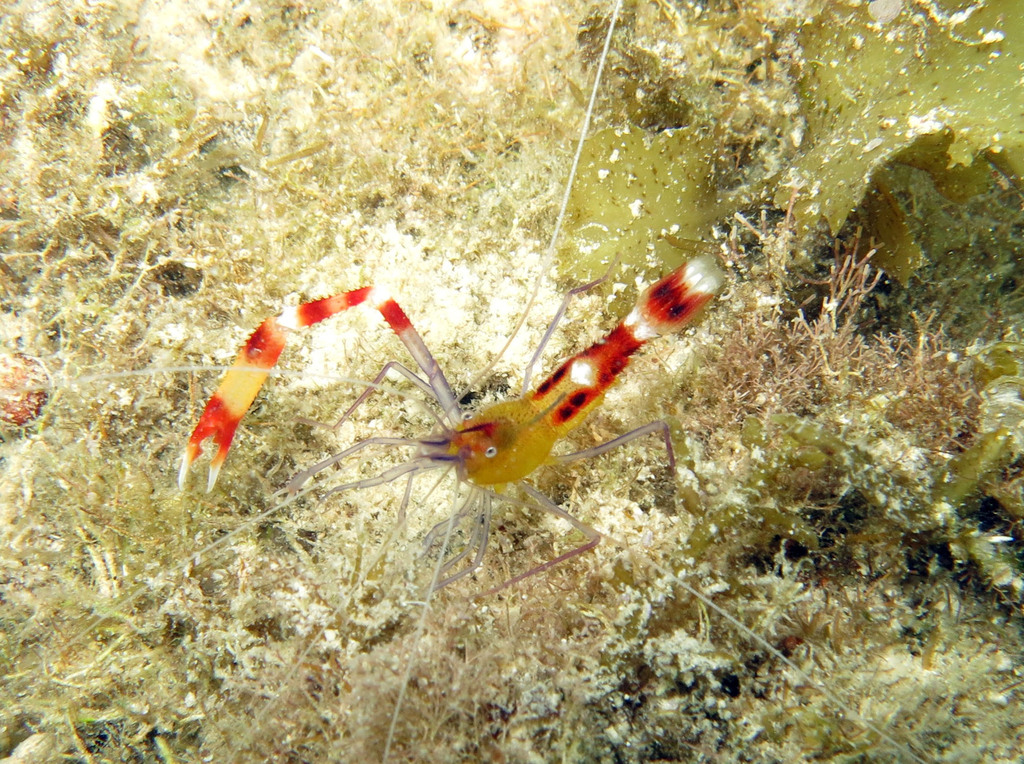
Devaney's boxer shrimp
stenopus devaneyi
In Stock
Common stock
Wild Caught
Moderate care
With Caution
SKU: ML-MF-0454
Devaney's boxer shrimp is a vibrant marine species known for its striking coloration and unique behavior.
Pricing for Verified Importers
Log in to see wholesale prices and order.
Export Size
up to 5.0 cm
Origin
Indo-Pacific
Temperature
24.0–28.0°C
Min. Tank Size
50 L
Salinity
1.020–1.025 ppt
pH
8.10–8.40
Diet
omnivore
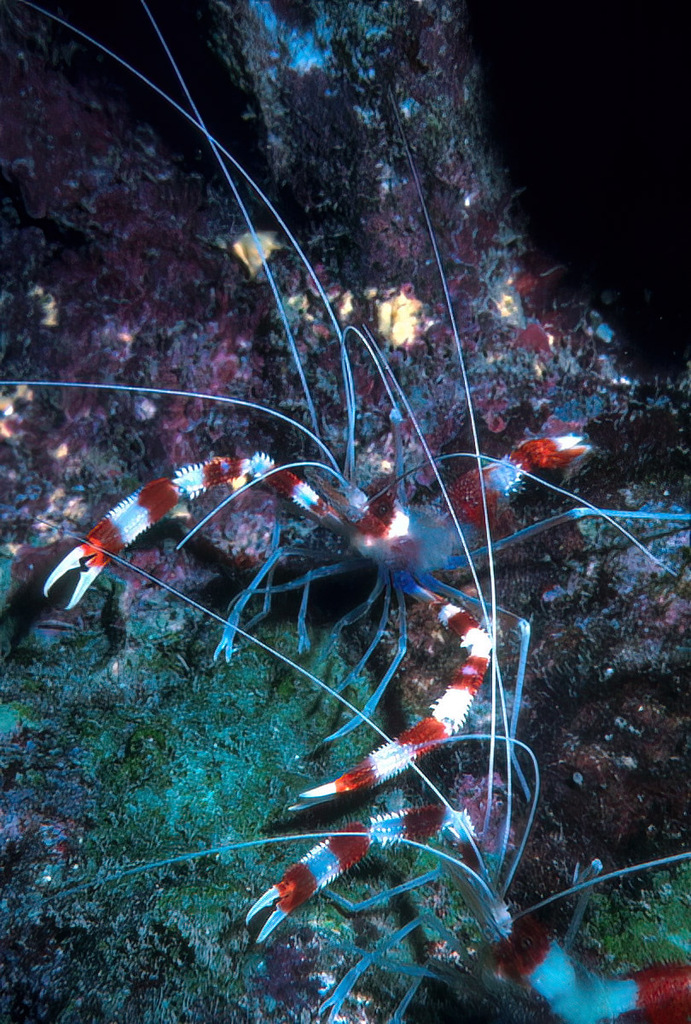
Devaney's boxer shrimp (Stenopus devaneyi) is a remarkable marine species that captivates aquarists with its vibrant colors and dynamic presence. Native to the coral reefs of the Indo-Pacific region, this shrimp exhibits a stunning combination of red, blue, and white hues that make it a popular choice for marine aquariums. Its unique appearance is complemented by long, slender pincers that resemble boxing gloves, hence its common name. This species thrives in the crevices and ledges of coral reefs, where it finds shelter and food among the intricate structures of the reef ecosystem.
In terms of behavior, Devaney's boxer shrimp is known for its social nature, often seen in pairs or small groups. They are symbiotic creatures, frequently sharing their habitat with various fish species, such as gobies, which provide protection while the shrimp clean parasites off their hosts. This mutualistic relationship highlights their important role in maintaining the health of reef ecosystems. Their active foraging behavior and propensity to exhibit intriguing interactions with other marine life make them a fascinating addition to any aquarium.
The habitat of Devaney's boxer shrimp is typically characterized by warm, shallow waters with ample coral coverage. They prefer areas with stable rock formations and dense coral growth, which provide both food sources and refuge from predators. This species is most commonly found at depths ranging from 5 to 30 meters, where they can easily navigate their intricate surroundings to forage for food.
Overall, Devaney's boxer shrimp is not only an eye-catching marine inhabitant but also an essential contributor to the health of coral reef ecosystems. Their vibrant colors, social behavior, and ecological significance make them a sought-after species for marine aquarists and importers alike.
In terms of behavior, Devaney's boxer shrimp is known for its social nature, often seen in pairs or small groups. They are symbiotic creatures, frequently sharing their habitat with various fish species, such as gobies, which provide protection while the shrimp clean parasites off their hosts. This mutualistic relationship highlights their important role in maintaining the health of reef ecosystems. Their active foraging behavior and propensity to exhibit intriguing interactions with other marine life make them a fascinating addition to any aquarium.
The habitat of Devaney's boxer shrimp is typically characterized by warm, shallow waters with ample coral coverage. They prefer areas with stable rock formations and dense coral growth, which provide both food sources and refuge from predators. This species is most commonly found at depths ranging from 5 to 30 meters, where they can easily navigate their intricate surroundings to forage for food.
Overall, Devaney's boxer shrimp is not only an eye-catching marine inhabitant but also an essential contributor to the health of coral reef ecosystems. Their vibrant colors, social behavior, and ecological significance make them a sought-after species for marine aquarists and importers alike.
To ensure the health and vitality of Devaney's boxer shrimp in captivity, maintaining optimal water parameters is crucial. The ideal temperature range for these shrimp is between 24°C and 28°C, with a salinity level of 1.020 to 1.025 ppt. The pH should be kept between 8.1 and 8.4 to mimic their natural reef environment. A minimum tank size of 50 liters is recommended to provide ample space for swimming and foraging.
Feeding Devaney's boxer shrimp requires a varied diet to ensure proper nutrition. They are omnivorous and thrive on a mix of high-quality flakes, pellets, and frozen food such as brine shrimp and mysis shrimp. Regular feeding of small portions multiple times a day will help maintain their health and activity levels. Alongside their diet, it’s important to include live rock in the aquarium to provide natural grazing opportunities and a place for them to explore.
Compatibility is generally good with other peaceful marine species. However, they may exhibit territorial behavior towards similar-sized shrimp. Acclimation should be done gradually over several hours to minimize stress during the transition to a new environment. Quarantine is recommended for new arrivals to prevent the introduction of diseases, ensuring that your tank remains a healthy ecosystem for all inhabitants.
Feeding Devaney's boxer shrimp requires a varied diet to ensure proper nutrition. They are omnivorous and thrive on a mix of high-quality flakes, pellets, and frozen food such as brine shrimp and mysis shrimp. Regular feeding of small portions multiple times a day will help maintain their health and activity levels. Alongside their diet, it’s important to include live rock in the aquarium to provide natural grazing opportunities and a place for them to explore.
Compatibility is generally good with other peaceful marine species. However, they may exhibit territorial behavior towards similar-sized shrimp. Acclimation should be done gradually over several hours to minimize stress during the transition to a new environment. Quarantine is recommended for new arrivals to prevent the introduction of diseases, ensuring that your tank remains a healthy ecosystem for all inhabitants.
Devaney's boxer shrimp are suitable for shipping due to their hardiness; however, care must be taken to avoid temperature fluctuations. They should be packed with sufficient water and oxygen to ensure their safety during transport. A packing density of 1-2 shrimp per liter is ideal to minimize stress. The optimal shipping temperature is between 20°C and 24°C. There are no specific CITES restrictions for this species, but it’s important to comply with local regulations.
Species Parameters
Max Adult Size
5.0 cm
Origin
Indo-Pacific
Diet
omnivore
Temp Min
24.0 °C
Temp Max
28.0 °C
Salinity Min
1.020
Salinity Max
1.025
pH Min
8.10
pH Max
8.40
Min Tank
50 L