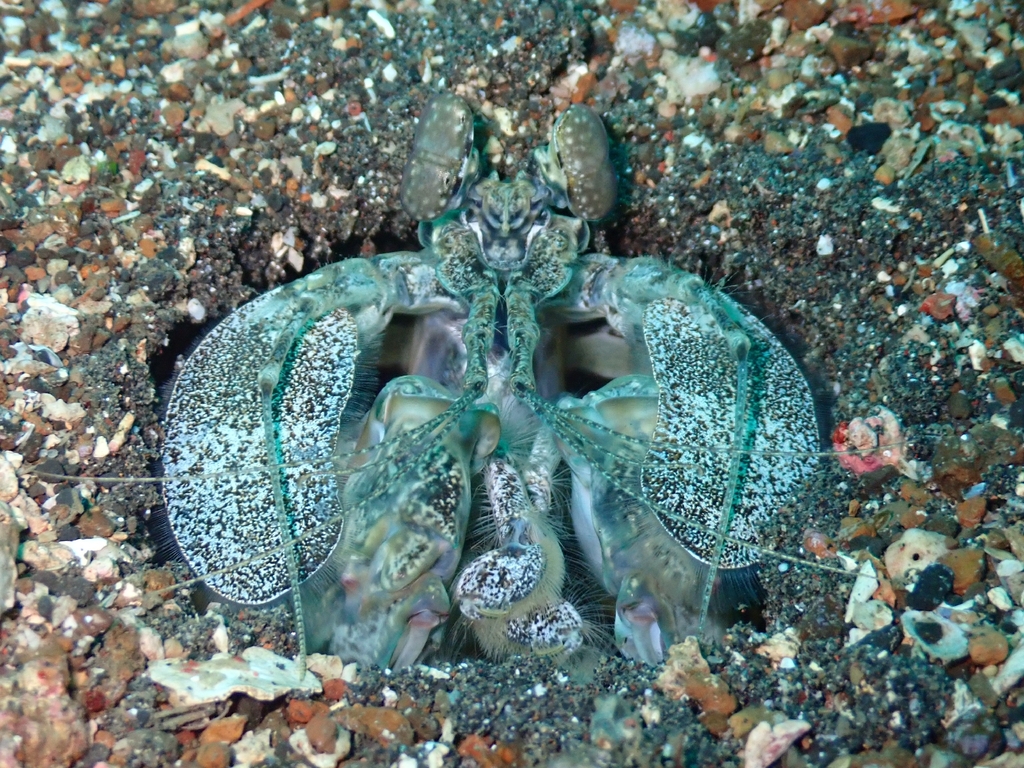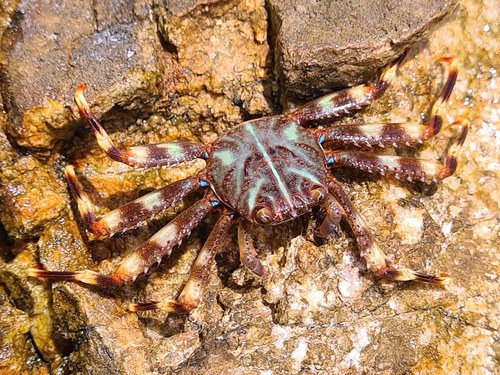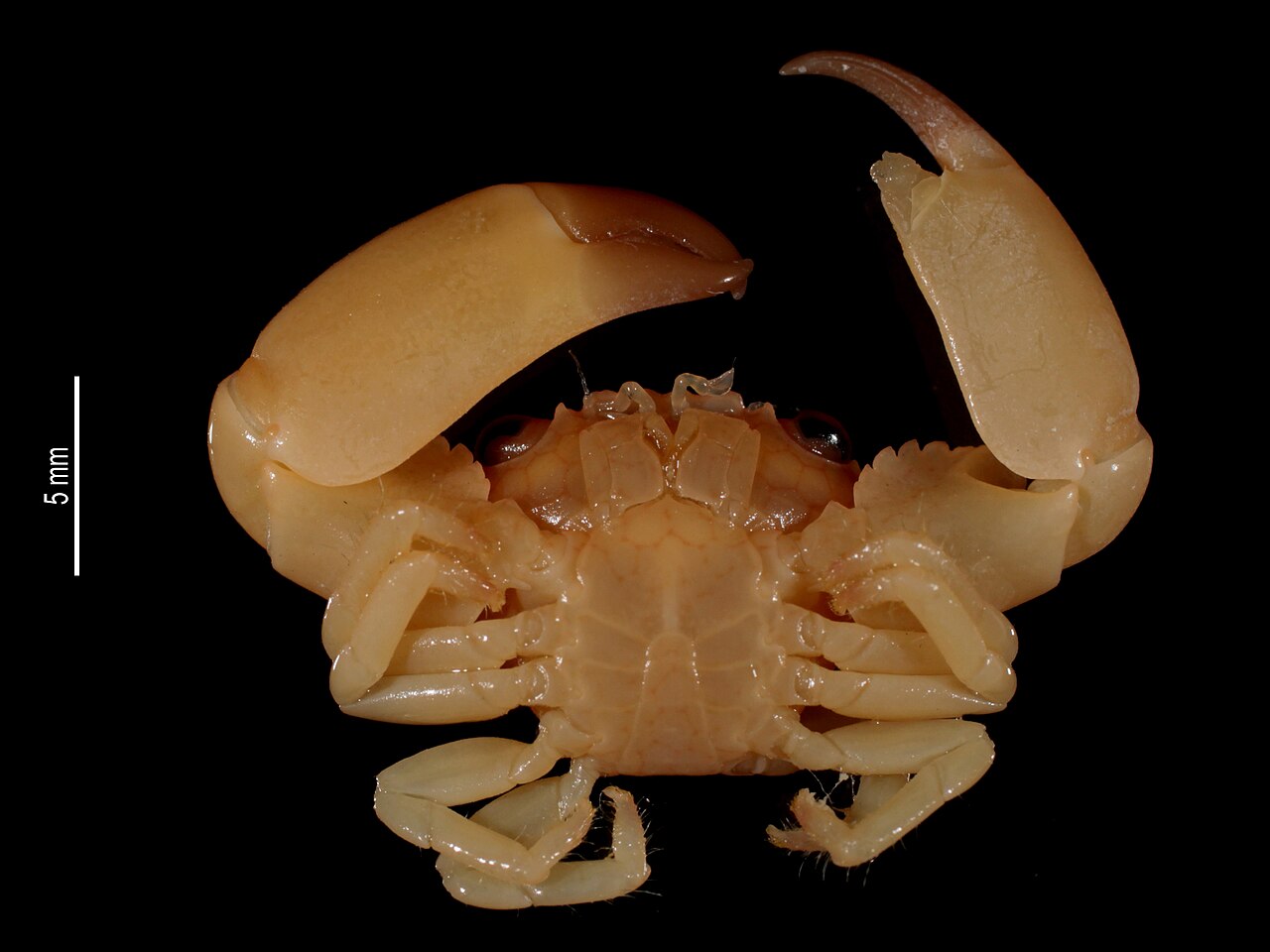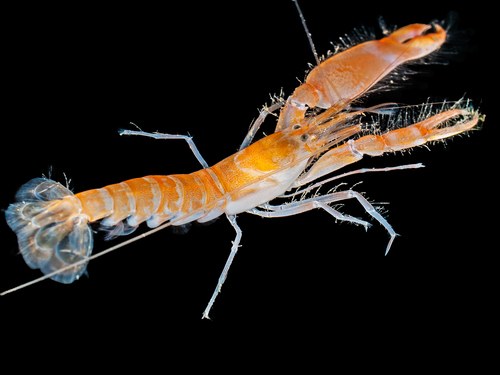
Painted Lobster
panulirus versicolor
In Stock
Common stock
Wild Caught
Moderate care
With Caution
SKU: ML-MF-0495
The Painted Lobster is a vibrant marine species, known for its stunning coloration and unique behavior.
Pricing for Verified Importers
Log in to see wholesale prices and order.
Export Size
up to 30.0 cm
Origin
Coral Triangle
Temperature
24.0–28.0°C
Min. Tank Size
200 L
Salinity
30.000–35.000 ppt
pH
7.50–8.50
Diet
carnivore
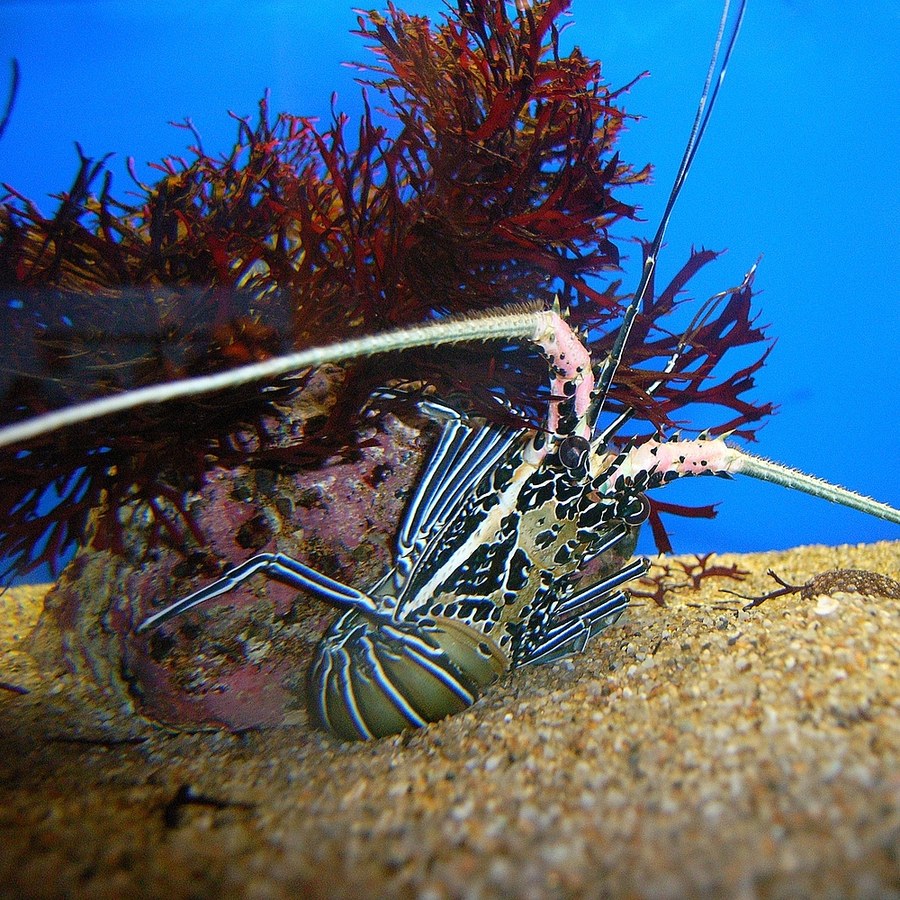
The Painted Lobster (Panulirus versicolor) is a striking marine crustacean commonly found in the warm waters of the Coral Triangle, particularly around Bali, Indonesia. This species is renowned for its vibrant colors, featuring a mix of blues, purples, and oranges, which serve both as camouflage and a means of communication among individuals. Painted Lobsters are nocturnal, often hiding in crevices during the day and emerging at night to forage for food.
In terms of appearance, the Painted Lobster has a long, cylindrical body topped with a broad, flat carapace. Their long antennae can extend several times the length of their body, contributing to their distinctive look. As they grow, these lobsters can reach sizes of up to 30 cm, making them an impressive addition to any marine aquarium. Their bright coloration not only captivates aquarists but also plays a crucial role in their mating rituals and territorial disputes.
Behaviorally, Painted Lobsters are known for their social structures, often found in small groups or pairs. They communicate through a series of gestures and postures, using their antennae to signal to one another. In their natural habitat, they inhabit rocky substrates and coral reefs, where they can find ample shelter and food sources.
The habitat of the Painted Lobster is typically characterized by warm, shallow waters, where they can thrive among the intricate coral formations that provide both food and refuge. This species plays a vital role in the ecosystem, contributing to the balance of marine life in their environment.
In terms of appearance, the Painted Lobster has a long, cylindrical body topped with a broad, flat carapace. Their long antennae can extend several times the length of their body, contributing to their distinctive look. As they grow, these lobsters can reach sizes of up to 30 cm, making them an impressive addition to any marine aquarium. Their bright coloration not only captivates aquarists but also plays a crucial role in their mating rituals and territorial disputes.
Behaviorally, Painted Lobsters are known for their social structures, often found in small groups or pairs. They communicate through a series of gestures and postures, using their antennae to signal to one another. In their natural habitat, they inhabit rocky substrates and coral reefs, where they can find ample shelter and food sources.
The habitat of the Painted Lobster is typically characterized by warm, shallow waters, where they can thrive among the intricate coral formations that provide both food and refuge. This species plays a vital role in the ecosystem, contributing to the balance of marine life in their environment.
For importers and retailers, providing optimal care for Painted Lobsters is essential. They thrive in water temperatures ranging from 24°C to 28°C and prefer salinity levels between 30-35 ppt. Maintaining a stable pH between 7.5 and 8.5 is also crucial for their health. A minimum tank size of 200 liters is recommended to ensure adequate space for movement and territorial behavior.
Feeding Painted Lobsters requires a varied diet, primarily consisting of meaty foods such as shrimp, fish, and other crustaceans. They may also accept commercially prepared lobster pellets. It is important to feed them several times a week to keep them healthy and vibrant.
When introducing Painted Lobsters to a new environment, gradual acclimation is key. Quarantine new arrivals for at least two weeks to monitor for any signs of disease before introducing them to a display tank. They are generally compatible with other marine species, but caution should be exercised with smaller fish or invertebrates, as they may be perceived as prey.
Overall, careful attention to their environmental needs, diet, and social interactions will ensure the Painted Lobster thrives in captivity.
Feeding Painted Lobsters requires a varied diet, primarily consisting of meaty foods such as shrimp, fish, and other crustaceans. They may also accept commercially prepared lobster pellets. It is important to feed them several times a week to keep them healthy and vibrant.
When introducing Painted Lobsters to a new environment, gradual acclimation is key. Quarantine new arrivals for at least two weeks to monitor for any signs of disease before introducing them to a display tank. They are generally compatible with other marine species, but caution should be exercised with smaller fish or invertebrates, as they may be perceived as prey.
Overall, careful attention to their environmental needs, diet, and social interactions will ensure the Painted Lobster thrives in captivity.
Painted Lobsters are suitable for shipping due to their hardy nature; however, care must be taken to maintain optimal conditions during transit. Packing density should allow for adequate space to prevent stress. They are sensitive to temperature fluctuations, and it is recommended to ship them at temperatures between 24°C and 26°C. Currently, there are no CITES restrictions on this species, making them a viable option for export.
Species Parameters
Max Adult Size
30.0 cm
Origin
Coral Triangle
Diet
carnivore
Temp Min
24.0 °C
Temp Max
28.0 °C
Salinity Min
30.000
Salinity Max
35.000
pH Min
7.50
pH Max
8.50
Min Tank
200 L