Spider Crab
Percnon gibbesi
In Stock
Common stock
Wild Caught
Moderate care
With Caution
SKU: CB-MF-0448
Discover the fascinating Spider Crab, a unique species from Bali known for its striking appearance and adaptability.
Pricing for Verified Importers
Log in to see wholesale prices and order.
Export Size
up to 15.0 cm
Origin
Indo-Pacific
Temperature
24.0–28.0°C
Min. Tank Size
100 L
Salinity
30.000–35.000 ppt
pH
7.80–8.50
Diet
omnivore
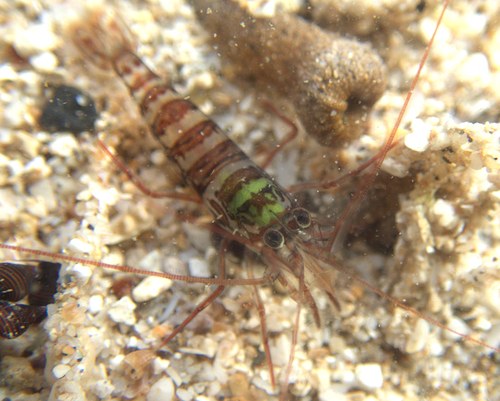
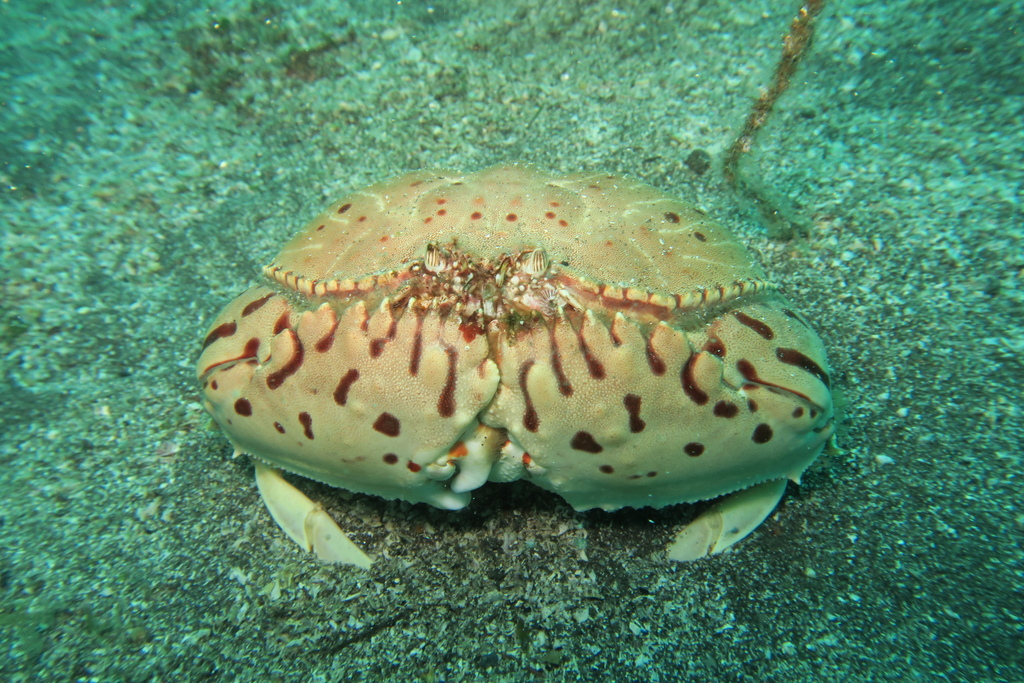
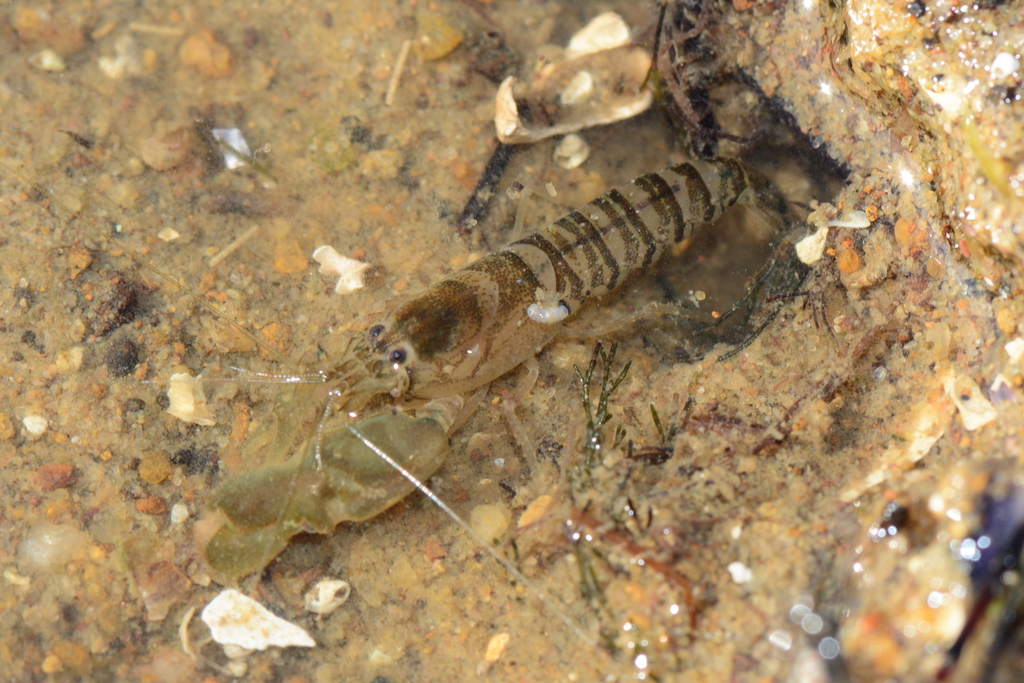
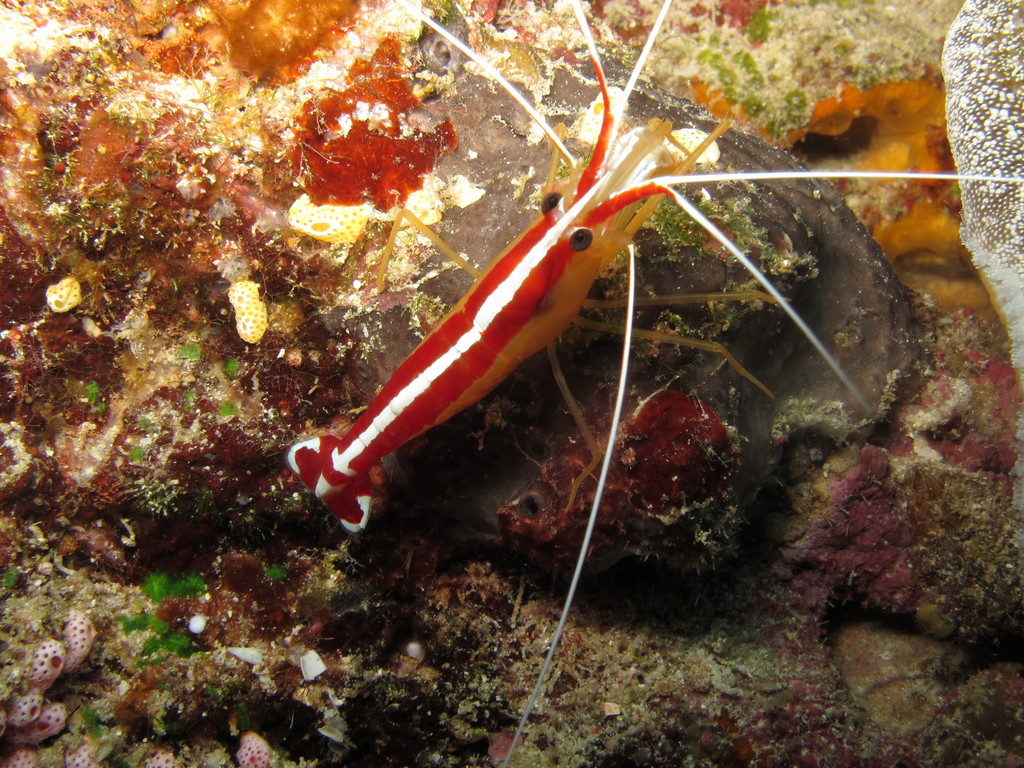
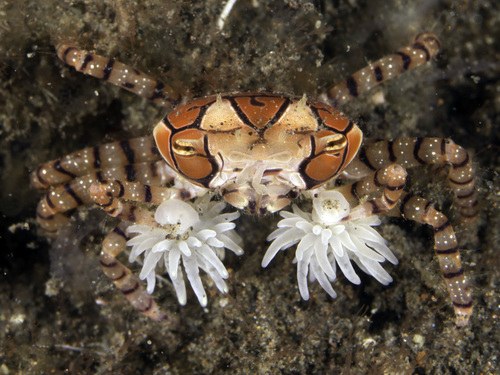
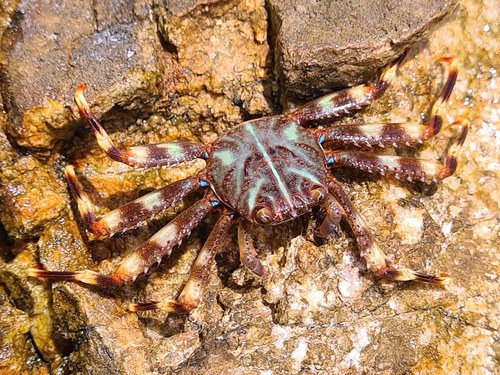
The Spider Crab (Percnon gibbesi) is a remarkable marine species found predominantly in the coastal waters of Bali, Indonesia. Characterized by its long, slender legs and broad, flat body, this crab can reach a maximum size of around 15 cm. Its coloration typically ranges from light brown to greenish, providing excellent camouflage against rocky substrates and coral reefs. The Spider Crab's legs can stretch up to several times its body length, allowing it to navigate through complex underwater environments with ease.
Inhabiting shallow waters, the Spider Crab prefers sandy or rocky substrates where it can hide from predators. This species is often found in intertidal zones, mangroves, and seagrass beds, making it an integral part of the coastal ecosystem. The Spider Crab is known for its scavenging behavior, feeding on detritus, algae, and small invertebrates. Its diet plays a crucial role in maintaining the health of its habitat by contributing to nutrient cycling.
Behaviorally, the Spider Crab is relatively docile and spends much of its time foraging for food during the day. It exhibits interesting social behaviors, often seen in small groups. During mating season, males will display vibrant colors to attract females, showcasing their health and vitality. This species is also known for its ability to blend into its environment, using its flat body to hide among rocks and coral, which aids in evading predators.
Overall, the Spider Crab is a unique addition to any marine aquarium due to its intriguing characteristics and behaviors, making it a sought-after species for both importers and aquarium enthusiasts alike.
Inhabiting shallow waters, the Spider Crab prefers sandy or rocky substrates where it can hide from predators. This species is often found in intertidal zones, mangroves, and seagrass beds, making it an integral part of the coastal ecosystem. The Spider Crab is known for its scavenging behavior, feeding on detritus, algae, and small invertebrates. Its diet plays a crucial role in maintaining the health of its habitat by contributing to nutrient cycling.
Behaviorally, the Spider Crab is relatively docile and spends much of its time foraging for food during the day. It exhibits interesting social behaviors, often seen in small groups. During mating season, males will display vibrant colors to attract females, showcasing their health and vitality. This species is also known for its ability to blend into its environment, using its flat body to hide among rocks and coral, which aids in evading predators.
Overall, the Spider Crab is a unique addition to any marine aquarium due to its intriguing characteristics and behaviors, making it a sought-after species for both importers and aquarium enthusiasts alike.
When caring for the Spider Crab, maintaining stable water parameters is crucial. Ideal water temperature should range between 24°C to 28°C, with a salinity of 30-35 ppt. The pH level should be kept between 7.8 and 8.5 to ensure optimal health. Providing a spacious tank with a minimum capacity of 100 liters is essential, as this allows ample room for movement and foraging.
Feeding the Spider Crab requires a varied diet to meet its nutritional needs. Offer a mix of high-quality pellets, frozen foods such as shrimp and fish, and fresh vegetables to ensure a balanced intake. Compatibility is generally good with other peaceful marine species, but care should be taken when introducing them to aggressive tank mates that may harm them.
Acclimation is important when introducing the Spider Crab to a new tank. Gradually acclimate them to the new environment over several hours to minimize stress. Quarantine new arrivals for at least two weeks to prevent the introduction of diseases into the main tank. Monitoring water quality and ensuring a safe habitat will contribute significantly to the health and longevity of this fascinating species.
Feeding the Spider Crab requires a varied diet to meet its nutritional needs. Offer a mix of high-quality pellets, frozen foods such as shrimp and fish, and fresh vegetables to ensure a balanced intake. Compatibility is generally good with other peaceful marine species, but care should be taken when introducing them to aggressive tank mates that may harm them.
Acclimation is important when introducing the Spider Crab to a new tank. Gradually acclimate them to the new environment over several hours to minimize stress. Quarantine new arrivals for at least two weeks to prevent the introduction of diseases into the main tank. Monitoring water quality and ensuring a safe habitat will contribute significantly to the health and longevity of this fascinating species.
Shipping the Spider Crab requires careful consideration due to its sensitivity to temperature fluctuations. It is best to ship them in insulated containers with proper aeration to maintain stable conditions. A packing density of 1-2 crabs per liter is recommended to ensure adequate space. Monitor temperatures closely, aiming for a range of 24°C to 26°C during transit. As of now, the Spider Crab is not listed under CITES, making it easier for wholesale exports.
Species Parameters
Max Adult Size
15.0 cm
Origin
Indo-Pacific
Diet
omnivore
Temp Min
24.0 °C
Temp Max
28.0 °C
Salinity Min
30.000
Salinity Max
35.000
pH Min
7.80
pH Max
8.50
Min Tank
100 L