Spanish Dancer Nudibranchs
Hexabranchus Sanguineus
In Stock
Common stock
Wild Caught
Moderate care
SKU: CB-SC-0139
Discover the vibrant Spanish Dancer Nudibranch, a living work of art from Bali's reefs.
Pricing for Verified Importers
Log in to see wholesale prices and order.
Export Size
up to 30.0 cm
Origin
Indo-Pacific
Temperature
24.0–28.0°C
Min. Tank Size
100 L
pH
8.10–8.40
Diet
carnivore
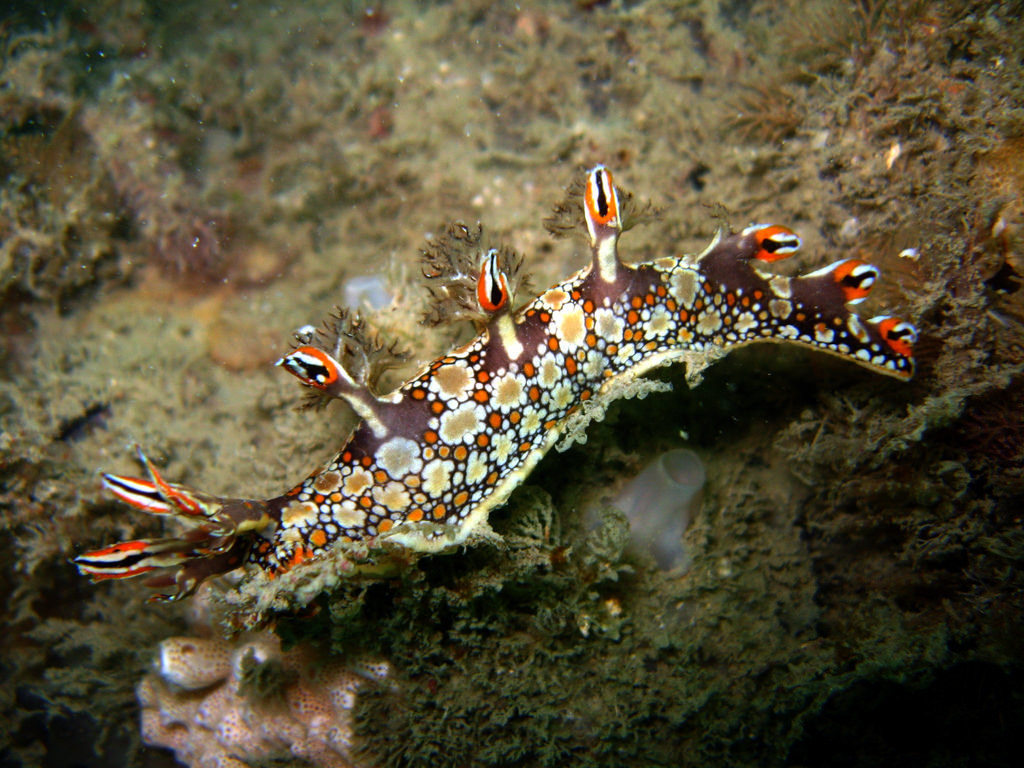
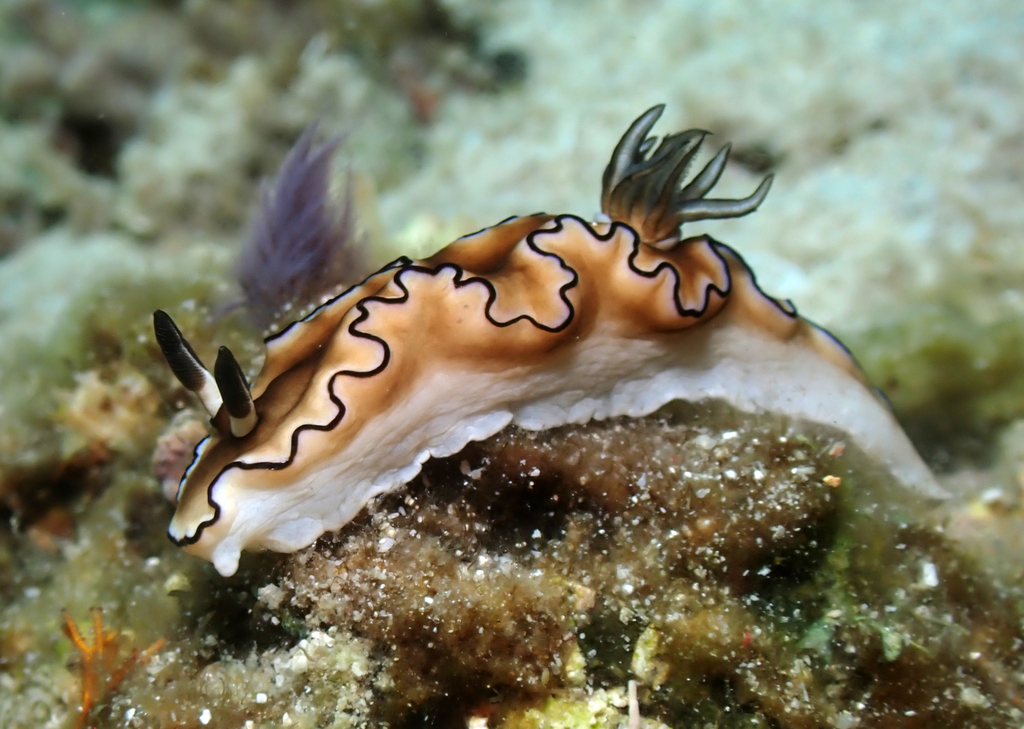
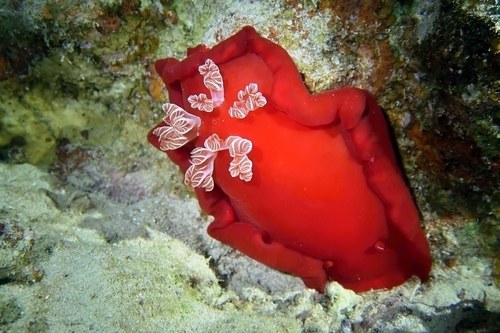
The Spanish Dancer Nudibranch (Hexabranchus sanguineus) is renowned for its striking coloration and graceful swimming style, making it a standout species in marine ecosystems. This stunning sea slug can be found in the warm waters of the Indo-Pacific region, particularly around coral reefs where it thrives among vibrant marine life. Its name is derived from its unique ability to undulate its body, resembling a dancer in motion as it glides through the water.
In terms of appearance, the Spanish Dancer exhibits a vivid palette that ranges from bright red to orange with white or yellow markings, providing excellent camouflage against the colorful corals and sponges it inhabits. Adult nudibranchs can reach sizes of up to 30 cm (approximately 12 inches) in length, showcasing a large, flat body that is adorned with beautiful frilly gills, which not only aid in respiration but also enhance its striking visual appeal.
The behavior of the Spanish Dancer is equally fascinating; it is primarily nocturnal, feeding on sponges and other small invertebrates at night. During the day, it often remains hidden under ledges or within crevices to avoid predators. This nudibranch is also known for its interesting defensive mechanism—it can secrete a toxic substance when threatened, deterring potential predators.
Habitat-wise, the Spanish Dancer is typically found in shallow coral reefs, where it thrives in warm, clear waters. It prefers environments with plenty of food sources such as sponges and algae, contributing to its role as both a predator and prey within the marine ecosystem.
In terms of appearance, the Spanish Dancer exhibits a vivid palette that ranges from bright red to orange with white or yellow markings, providing excellent camouflage against the colorful corals and sponges it inhabits. Adult nudibranchs can reach sizes of up to 30 cm (approximately 12 inches) in length, showcasing a large, flat body that is adorned with beautiful frilly gills, which not only aid in respiration but also enhance its striking visual appeal.
The behavior of the Spanish Dancer is equally fascinating; it is primarily nocturnal, feeding on sponges and other small invertebrates at night. During the day, it often remains hidden under ledges or within crevices to avoid predators. This nudibranch is also known for its interesting defensive mechanism—it can secrete a toxic substance when threatened, deterring potential predators.
Habitat-wise, the Spanish Dancer is typically found in shallow coral reefs, where it thrives in warm, clear waters. It prefers environments with plenty of food sources such as sponges and algae, contributing to its role as both a predator and prey within the marine ecosystem.
For retailers and importers, care for the Spanish Dancer Nudibranch requires specific water parameters to ensure optimal health. The ideal temperature range is between 24°C to 28°C, with a pH of 8.1 to 8.4. Since this species is primarily marine, salinity levels should be maintained around 35 ppt. It is crucial to provide adequate hiding spots and a well-established tank with live rock to simulate their natural habitat.
Feeding the Spanish Dancer involves offering a diet primarily composed of sponges, which can be challenging to source. It is essential to ensure that the nudibranch is well-fed before shipping as they can be sensitive to changes in diet and environment. Compatibility wise, they are not aggressive but should be kept away from predatory fish and other species that may see them as food.
Acclimation should be done slowly, allowing the nudibranch to adjust to the new water conditions gradually. Quarantine is recommended to prevent the introduction of potential pathogens into the main display tank. Providing a stable environment with minimal stress will help ensure the well-being of these captivating creatures.
Feeding the Spanish Dancer involves offering a diet primarily composed of sponges, which can be challenging to source. It is essential to ensure that the nudibranch is well-fed before shipping as they can be sensitive to changes in diet and environment. Compatibility wise, they are not aggressive but should be kept away from predatory fish and other species that may see them as food.
Acclimation should be done slowly, allowing the nudibranch to adjust to the new water conditions gradually. Quarantine is recommended to prevent the introduction of potential pathogens into the main display tank. Providing a stable environment with minimal stress will help ensure the well-being of these captivating creatures.
Spanish Dancer Nudibranchs are sensitive to temperature fluctuations and should be shipped in insulated containers to maintain stable conditions. A packing density of one nudibranch per 5 liters of water is advisable to reduce stress during transit. Care should be taken to monitor the temperature, ideally between 24°C to 26°C, during shipping. As this species is not listed under CITES, export regulations are less stringent; however, proper documentation and care should still be followed.
Species Parameters
Max Adult Size
30.0 cm
Origin
Indo-Pacific
Diet
carnivore
Temp Min
24.0 °C
Temp Max
28.0 °C
pH Min
8.10
pH Max
8.40
Min Tank
100 L