CITES App. II
Grape Algae
Caulerpa Racemosa
In Stock
Common stock
Wild Caught
Moderate care
Reef Safe ✓
SKU: CB-SC-0179
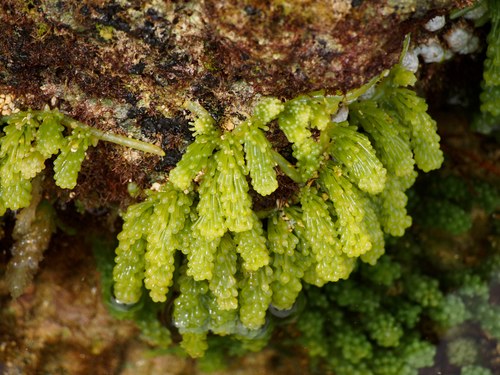
Grape Algae (Caulerpa Racemosa) adds vibrant color and texture to marine aquariums.
Pricing for Verified Importers
Log in to see wholesale prices and order.
Export Size
up to 30.0 cm
Origin
Coral Triangle
Temperature
24.0–28.0°C
Min. Tank Size
100 L
Salinity
30.000–35.000 ppt
pH
7.80–8.50
Grape Algae, scientifically known as Caulerpa Racemosa, is a unique marine macroalga that thrives in warm tropical waters. This species is easily recognized by its distinctive, grape-like structures that can vary in color from bright green to darker hues, making it an attractive addition to any reef aquarium. It plays a vital role in the ecosystem by providing habitat and food for various marine organisms, and its fast growth rate can help in nutrient absorption within the aquarium, contributing to a balanced environment.
In its natural habitat, Grape Algae can be found in shallow coastal waters, particularly in sandy or rocky substrates where it can anchor itself. These algae are often seen forming lush carpets on the ocean floor, providing shelter for small fish and invertebrates. Their ability to photosynthesize allows them to convert sunlight into energy, while also aiding in oxygen production in the water column.
Behaviorally, Caulerpa Racemosa exhibits a unique ability to adapt to different light conditions, thriving in both low and bright light environments. This versatility makes it a popular choice among aquarists. When disturbed, it can quickly regenerate, allowing it to survive in dynamic marine environments. Additionally, Grape Algae can help in the reduction of algae growth by outcompeting undesirable algae for nutrients, making it a beneficial species for maintaining aquarium health.
Overall, the combination of aesthetic appeal and ecological benefits makes Grape Algae a valuable addition to marine aquariums. It not only enhances the visual diversity of tank setups but also promotes a healthier aquatic ecosystem, making it a preferred choice for both hobbyists and commercial aquarists alike.
In its natural habitat, Grape Algae can be found in shallow coastal waters, particularly in sandy or rocky substrates where it can anchor itself. These algae are often seen forming lush carpets on the ocean floor, providing shelter for small fish and invertebrates. Their ability to photosynthesize allows them to convert sunlight into energy, while also aiding in oxygen production in the water column.
Behaviorally, Caulerpa Racemosa exhibits a unique ability to adapt to different light conditions, thriving in both low and bright light environments. This versatility makes it a popular choice among aquarists. When disturbed, it can quickly regenerate, allowing it to survive in dynamic marine environments. Additionally, Grape Algae can help in the reduction of algae growth by outcompeting undesirable algae for nutrients, making it a beneficial species for maintaining aquarium health.
Overall, the combination of aesthetic appeal and ecological benefits makes Grape Algae a valuable addition to marine aquariums. It not only enhances the visual diversity of tank setups but also promotes a healthier aquatic ecosystem, making it a preferred choice for both hobbyists and commercial aquarists alike.
To successfully care for Grape Algae (Caulerpa Racemosa), it is important to maintain optimal water parameters. Ideally, the temperature should be kept between 24°C and 28°C, with a salinity range of 30-35 ppt. The pH should be maintained between 7.8 and 8.5 to ensure healthy growth. Regular monitoring and adjustments may be necessary to keep these parameters stable.
Grape Algae is primarily photosynthetic, requiring moderate to high light levels for optimal growth. While it derives most of its nutrients from the water column through photosynthesis, supplementing with liquid fertilizers can enhance its health and growth rate. Compatibility with fish and invertebrates is generally good, as Grape Algae does not pose any threat to tank mates. However, careful observation is necessary to ensure that grazing species do not overconsume it.
Acclimation is crucial when introducing Grape Algae to a new tank. It is recommended to drip acclimate the algae over a period of several hours to reduce stress. Quarantine is also advisable to prevent the introduction of pests or diseases into your main tank. By providing the right environment and care, Grape Algae can flourish and contribute positively to your marine aquarium.
Grape Algae is primarily photosynthetic, requiring moderate to high light levels for optimal growth. While it derives most of its nutrients from the water column through photosynthesis, supplementing with liquid fertilizers can enhance its health and growth rate. Compatibility with fish and invertebrates is generally good, as Grape Algae does not pose any threat to tank mates. However, careful observation is necessary to ensure that grazing species do not overconsume it.
Acclimation is crucial when introducing Grape Algae to a new tank. It is recommended to drip acclimate the algae over a period of several hours to reduce stress. Quarantine is also advisable to prevent the introduction of pests or diseases into your main tank. By providing the right environment and care, Grape Algae can flourish and contribute positively to your marine aquarium.
Grape Algae is suitable for shipping, provided that proper precautions are taken to ensure its health upon arrival. It should be packed in breathable bags with adequate water to prevent desiccation and damage. The algae are sensitive to temperature changes, so maintaining a stable temperature during transit is essential. As this species is not listed under CITES, shipping regulations are minimal, but compliance with local laws is always recommended.
Species Parameters
Max Adult Size
30.0 cm
Origin
Coral Triangle
Temp Min
24.0 °C
Temp Max
28.0 °C
Salinity Min
30.000
Salinity Max
35.000
pH Min
7.80
pH Max
8.50
Min Tank
100 L