CITES App. II
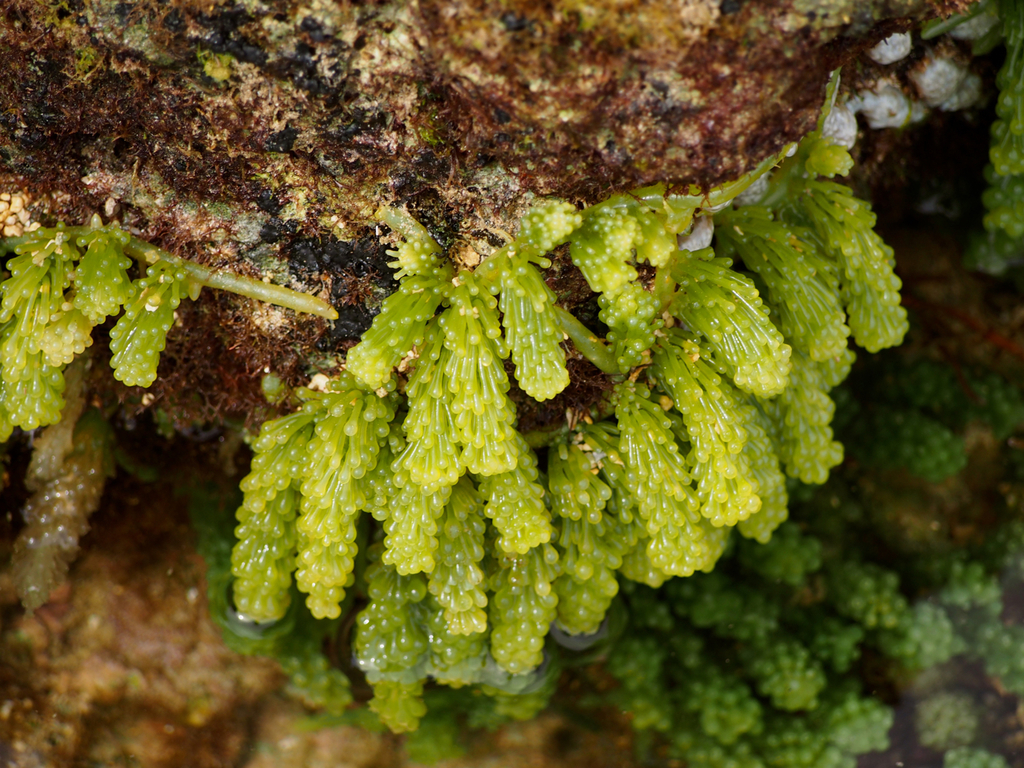
Green Bee Algae
Caulerpa Spec
In Stock
Common stock
Wild Caught
Moderate care
Reef Safe ✓
SKU: CB-SC-0183
The Green Bee Algae (Caulerpa Spec) adds vibrant color and ecological balance to marine aquariums.
Pricing for Verified Importers
Log in to see wholesale prices and order.
Origin
Coral Triangle
Temperature
24.0–28.0°C
Min. Tank Size
100 L
Salinity
30.000–35.000 ppt
pH
7.80–8.50
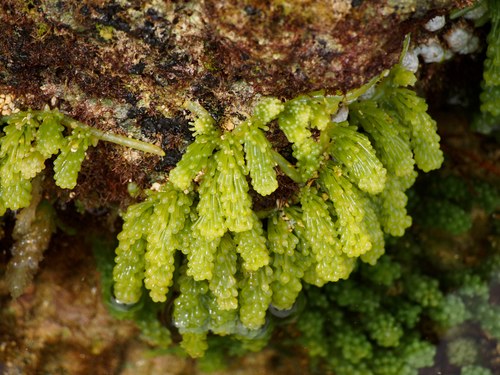
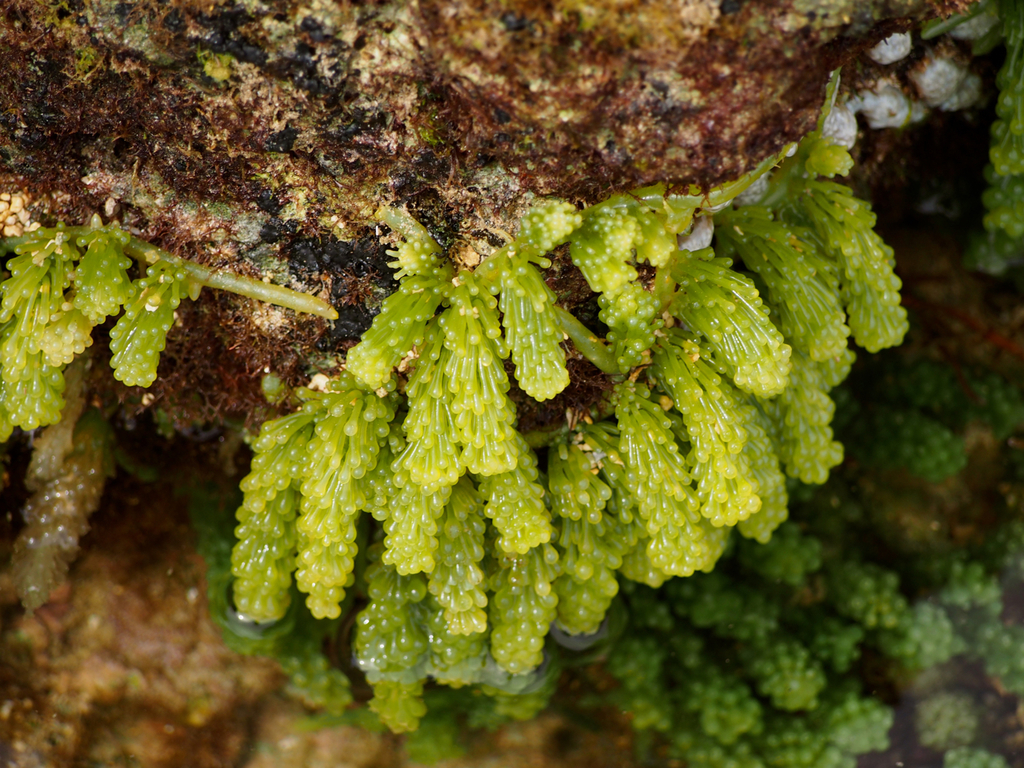
Green Bee Algae, scientifically known as Caulerpa Spec, is a captivating green macroalga that thrives in tropical marine environments. This species is recognized for its unique, bushy appearance resembling a lush underwater garden, making it a favorite among aquarists. Its vibrant green coloration not only enhances the aesthetic appeal of aquariums but also plays a crucial role in maintaining water quality by absorbing excess nutrients and providing oxygen to the ecosystem.
In its natural habitat, Green Bee Algae typically flourishes in shallow waters, such as coral reefs and lagoons, where it can anchor itself to sandy substrates. This species exhibits a remarkable ability to adapt to varying environmental conditions, allowing it to thrive in a range of light and water quality scenarios. Its rapid growth rate and ability to spread make it an effective choice for aquarists looking to create a lush aquatic landscape.
Behaviorally, Green Bee Algae is a photosynthetic organism, utilizing sunlight to produce energy, which makes it an excellent choice for aquariums equipped with proper lighting. Additionally, this algae serves as a food source for various herbivorous marine species, contributing to the overall biodiversity and health of the aquarium environment. Its bushy structure provides hiding places for small marine creatures, fostering a more natural and dynamic ecosystem.
Overall, the Green Bee Algae not only enhances the visual appeal of marine tanks but also supports the ecological balance, making it a valuable addition for both novice and experienced aquarium enthusiasts.
In its natural habitat, Green Bee Algae typically flourishes in shallow waters, such as coral reefs and lagoons, where it can anchor itself to sandy substrates. This species exhibits a remarkable ability to adapt to varying environmental conditions, allowing it to thrive in a range of light and water quality scenarios. Its rapid growth rate and ability to spread make it an effective choice for aquarists looking to create a lush aquatic landscape.
Behaviorally, Green Bee Algae is a photosynthetic organism, utilizing sunlight to produce energy, which makes it an excellent choice for aquariums equipped with proper lighting. Additionally, this algae serves as a food source for various herbivorous marine species, contributing to the overall biodiversity and health of the aquarium environment. Its bushy structure provides hiding places for small marine creatures, fostering a more natural and dynamic ecosystem.
Overall, the Green Bee Algae not only enhances the visual appeal of marine tanks but also supports the ecological balance, making it a valuable addition for both novice and experienced aquarium enthusiasts.
To successfully maintain Green Bee Algae in an aquarium setting, it is crucial to establish stable water parameters. This species prefers a temperature range of 24°C to 28°C, with a salinity level of 30-35 ppt. The pH should be maintained between 7.8 and 8.5 for optimal growth. Regular monitoring of these parameters will ensure a healthy environment for the algae and its tank mates.
Feeding Green Bee Algae is minimal, as it primarily relies on photosynthesis. However, supplementing with liquid fertilizers rich in trace elements can promote vigorous growth, especially in nutrient-poor environments. It is also compatible with a wide range of marine species, including small fish and invertebrates, but care should be taken to prevent overgrazing by herbivorous fish.
When introducing Green Bee Algae to a new aquarium, acclimation is essential. Gradually acclimate to the tank environment over several hours to minimize stress. Quarantine is recommended if the algae is sourced from different ecosystems to prevent the introduction of pests or diseases. Watching for signs of growth and health will ensure that the algae thrives in its new home.
Feeding Green Bee Algae is minimal, as it primarily relies on photosynthesis. However, supplementing with liquid fertilizers rich in trace elements can promote vigorous growth, especially in nutrient-poor environments. It is also compatible with a wide range of marine species, including small fish and invertebrates, but care should be taken to prevent overgrazing by herbivorous fish.
When introducing Green Bee Algae to a new aquarium, acclimation is essential. Gradually acclimate to the tank environment over several hours to minimize stress. Quarantine is recommended if the algae is sourced from different ecosystems to prevent the introduction of pests or diseases. Watching for signs of growth and health will ensure that the algae thrives in its new home.
Green Bee Algae is suitable for shipping and can be packed in breathable bags with water to maintain moisture. The algae is temperature-sensitive; hence, maintaining a consistent temperature between 20°C to 25°C during transit is crucial. Due to its non-restricted nature, it is not subject to CITES regulations, making it easier for export and import processes.
Species Parameters
Origin
Coral Triangle
Temp Min
24.0 °C
Temp Max
28.0 °C
Salinity Min
30.000
Salinity Max
35.000
pH Min
7.80
pH Max
8.50
Min Tank
100 L