CITES App. II
Lolipop Blue
Porifera
In Stock
Common stock
Aquacultured
Easy care
Reef Safe ✓
SKU: CRPORIlolipo
The Lolipop Blue (Porifera) dazzles with vibrant colors and unique formations, perfect for any reef aquarium.
Pricing for Verified Importers
Log in to see wholesale prices and order.
Origin
Coral Triangle
Temperature
24.0–28.0°C
Min. Tank Size
100 L
Salinity
1.020–1.025 ppt
The Lolipop Blue (Porifera) is a captivating coral species known for its striking blue hues and distinctive lollipop-shaped polyps. Native to the rich biodiversity of the Coral Triangle, this species thrives in nutrient-rich waters where it can filter feed effectively. Its vibrant coloration is not only a visual treat but also serves as an indicator of its health and thriving environment.
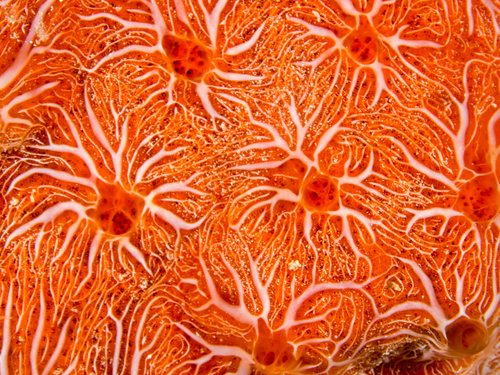
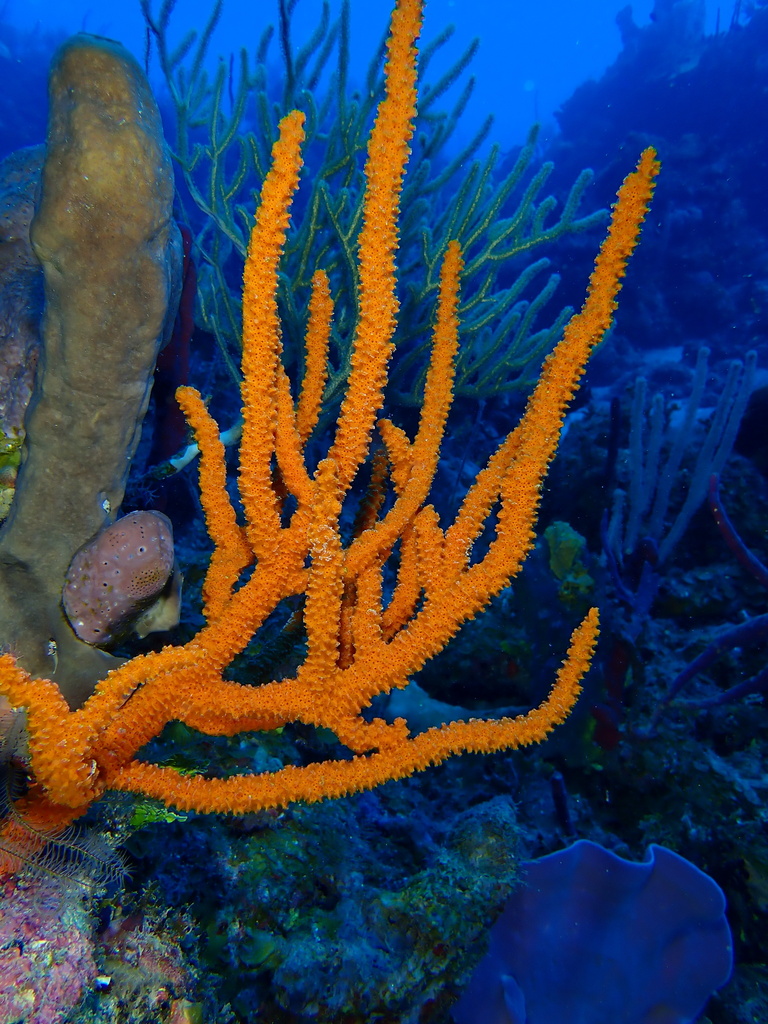
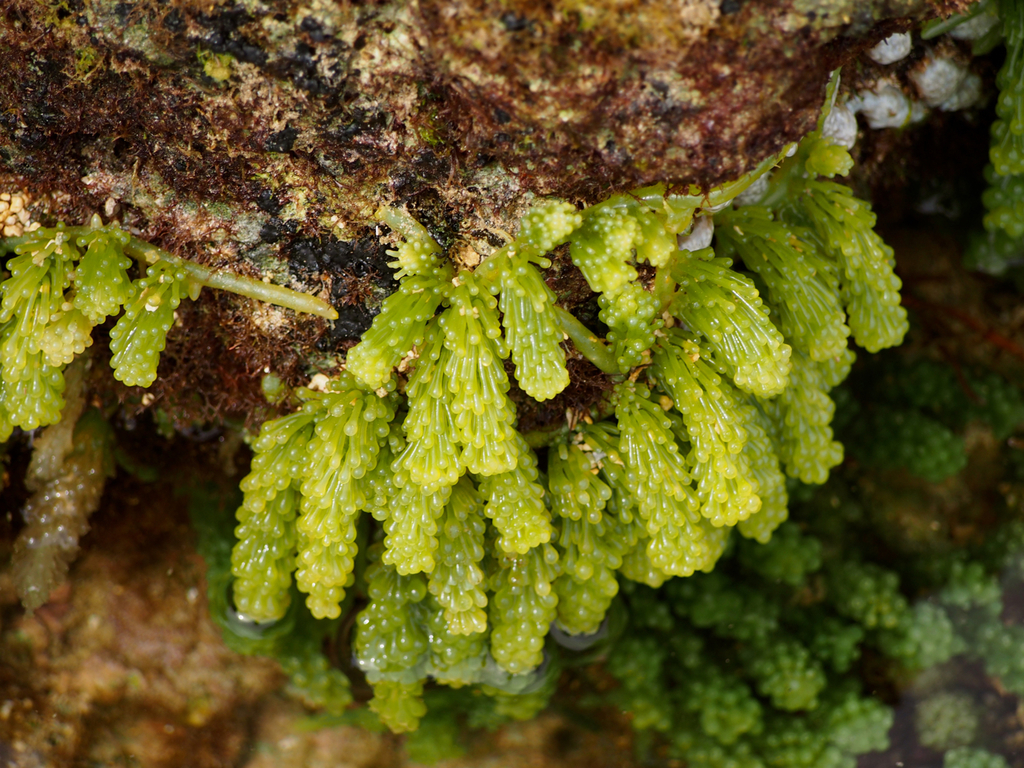
In terms of appearance, the Lolipop Blue features a series of round, elongated polyps that extend outward, resembling lollipops on a stick. These polyps can vary in size, creating a mesmerizing display of textures and forms. The coral’s base is typically a deep blue, which contrasts beautifully with the lighter shades of its polyps, making it a sought-after specimen for both hobbyists and commercial aquarists.
Behaviorally, the Lolipop Blue is relatively peaceful and can coexist with a variety of other reef inhabitants. It exhibits a unique feeding strategy, using its specialized cells to capture plankton and other microscopic organisms from the water column. This makes it an integral part of the reef ecosystem, contributing to the overall health and stability of its habitat.
Habitat-wise, the Lolipop Blue prefers shallow, well-lit environments where it can receive ample sunlight for photosynthesis while also having access to flowing water to facilitate feeding. It is commonly found on rocky substrates and coral reefs, where it can establish itself amongst other corals and marine life, fostering a rich community atmosphere.
For optimal care of the Lolipop Blue, maintaining stable water parameters is crucial. The ideal temperature ranges from 24°C to 28°C, with a salinity level between 1.020 and 1.025 ppt. The pH should be kept between 8.1 and 8.4 to promote healthy growth. Regular monitoring of these parameters is essential to ensure the well-being of the coral.
Feeding the Lolipop Blue involves providing it with small particles of food, such as plankton or specialized coral foods, at least two to three times a week. While it benefits from photosynthesis, supplemental feeding will enhance its growth and coloration. Compatibility is generally good, but care should be taken when placing it near aggressive corals or marine species that may compete for space or resources.
Acclimation should be done slowly to minimize stress, ideally over a period of several hours. Quarantine is recommended for new specimens to prevent the introduction of pests or diseases into established aquariums. A minimum tank size of 100 liters is advised to ensure adequate space for growth and stability.
The Lolipop Blue is suitable for shipping, but care must be taken with packing to ensure minimal stress during transit. Packing density should allow for adequate water circulation, and temperature should be maintained between 24°C and 28°C. This species is not listed under CITES, simplifying the shipping process, but always check local regulations before export.
Species Parameters
Origin
Coral Triangle
Habitat
reef
Temp Min
24.0 °C
Temp Max
28.0 °C
Salinity Min
1.020
Salinity Max
1.025
Min Tank
100 L