CITES App. II
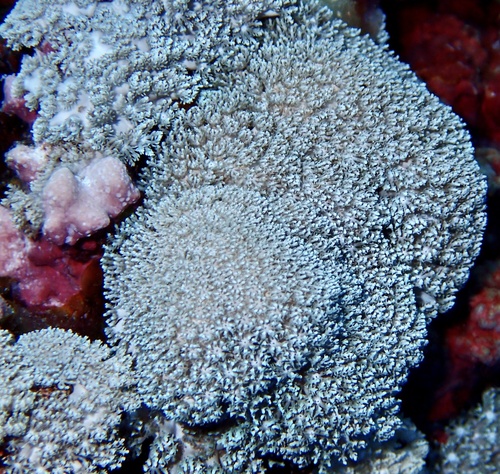
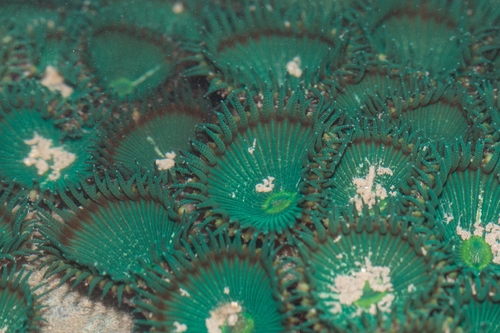
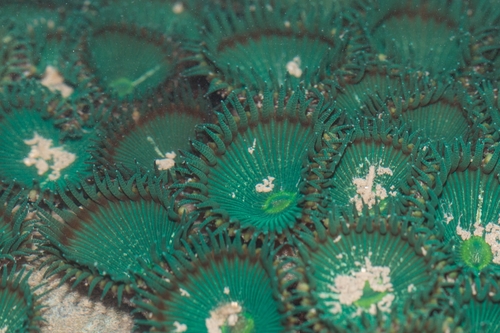
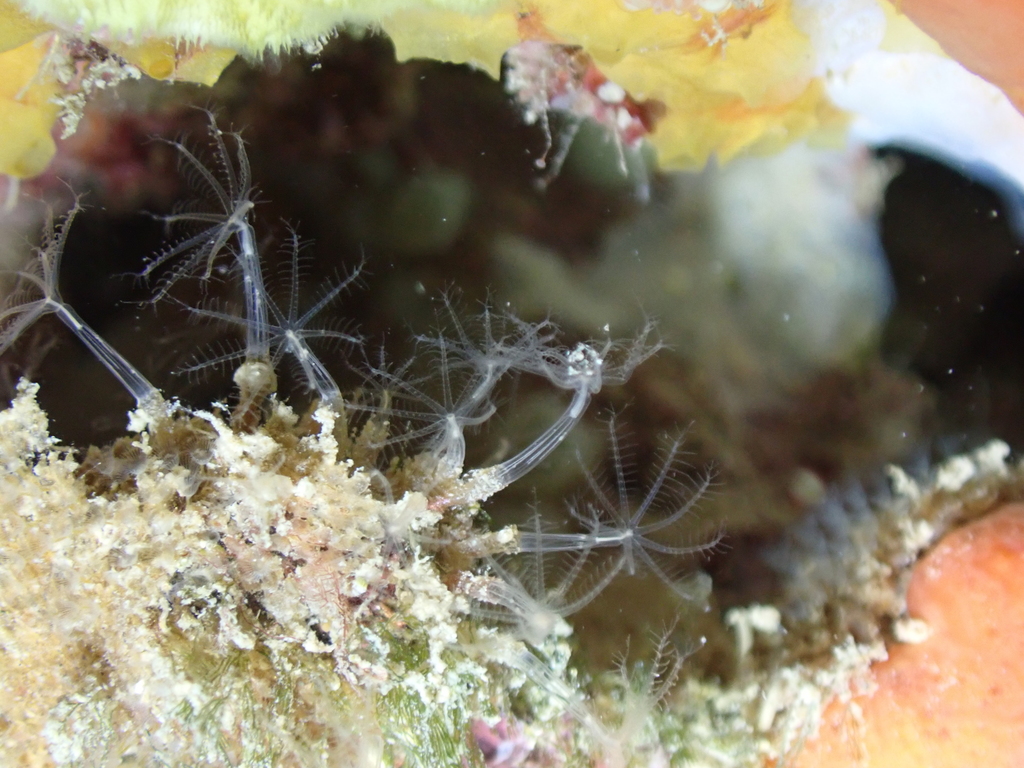
Yellow/Orange Clove Polyps
Cornularia Spec.
In Stock
Common stock
Wild Caught
Moderate care
Reef Safe ✓
SKU: CB-SC-0097
Vibrant and hardy, Yellow/Orange Clove Polyps bring a burst of color to reef tanks.
Pricing for Verified Importers
Log in to see wholesale prices and order.
Export Size
up to 10.0 cm
Origin
Coral Triangle
Temperature
24.0–28.0°C
Min. Tank Size
100 L
Salinity
35.000–35.000 ppt
pH
8.10–8.40
Yellow/Orange Clove Polyps (Cornularia Spec.) are captivating coral species known for their bright yellow to orange hues that can illuminate any aquarium setting. These colonial corals form clusters of small, polyp-like structures that sway gently with water currents, creating a mesmerizing display. They thrive in dynamic environments, making them a favorite among marine enthusiasts and aquarists alike. Their unique coloration not only enhances the aesthetic of reef tanks but also attracts a variety of marine life, contributing to the overall biodiversity of the aquarium.
In their natural habitat, these corals are typically found in shallow waters of the Indo-Pacific region, often on rocky substrates and coral reefs. They are well-adapted to fluctuating light and water conditions, which allows them to occupy a variety of ecological niches. The structure of Yellow/Orange Clove Polyps provides excellent shelter for small fish and invertebrates, making them a vital component of the reef ecosystem. Their symbiotic relationship with zooxanthellae algae allows them to utilize sunlight for energy, further enhancing their vibrancy through photosynthesis.
Behaviorally, Yellow/Orange Clove Polyps are relatively peaceful and can coexist with a multitude of tank mates, including small fish and invertebrates. They extend their polyps during the day to feed on planktonic particles and utilize their symbiotic algae during daylight hours. Their ability to adapt to various environments and their hardy nature makes them suitable for both novice and experienced aquarists looking to add a lively touch to their aquariums.
Overall, Yellow/Orange Clove Polyps are not just beautiful; they are also resilient, providing aesthetic and ecological benefits to any reef tank. Their vibrant display coupled with their ecological importance makes them a must-have for aquarium importers and wholesalers aiming to enhance their offerings.
In their natural habitat, these corals are typically found in shallow waters of the Indo-Pacific region, often on rocky substrates and coral reefs. They are well-adapted to fluctuating light and water conditions, which allows them to occupy a variety of ecological niches. The structure of Yellow/Orange Clove Polyps provides excellent shelter for small fish and invertebrates, making them a vital component of the reef ecosystem. Their symbiotic relationship with zooxanthellae algae allows them to utilize sunlight for energy, further enhancing their vibrancy through photosynthesis.
Behaviorally, Yellow/Orange Clove Polyps are relatively peaceful and can coexist with a multitude of tank mates, including small fish and invertebrates. They extend their polyps during the day to feed on planktonic particles and utilize their symbiotic algae during daylight hours. Their ability to adapt to various environments and their hardy nature makes them suitable for both novice and experienced aquarists looking to add a lively touch to their aquariums.
Overall, Yellow/Orange Clove Polyps are not just beautiful; they are also resilient, providing aesthetic and ecological benefits to any reef tank. Their vibrant display coupled with their ecological importance makes them a must-have for aquarium importers and wholesalers aiming to enhance their offerings.
Yellow/Orange Clove Polyps thrive in stable marine environments, requiring specific water parameters for optimal health. Ideal conditions include a temperature range of 24-28°C, salinity between 1.020 and 1.025 ppt, and a pH level of 8.1 to 8.4. It is essential to maintain these parameters to prevent stress and ensure their vibrant colors remain intact. Regular water quality testing and maintenance are crucial for long-term success.
Feeding these corals involves providing them with a mix of planktonic foods and liquid coral foods that contain essential nutrients. They benefit from supplemental feedings a few times a week, which can enhance their growth and vibrancy. Compatibility-wise, they exhibit peaceful behavior and can coexist with many species, though it is advisable to avoid aggressive corals that may outcompete them for space and light.
Acclimation should be done gradually to avoid shock, ideally using a drip acclimation method over several hours. Quarantine procedures are recommended prior to introducing them to a main tank to avoid the spread of disease. Healthy specimens will quickly adapt to their new environment, provided they are given proper care and attention.
Feeding these corals involves providing them with a mix of planktonic foods and liquid coral foods that contain essential nutrients. They benefit from supplemental feedings a few times a week, which can enhance their growth and vibrancy. Compatibility-wise, they exhibit peaceful behavior and can coexist with many species, though it is advisable to avoid aggressive corals that may outcompete them for space and light.
Acclimation should be done gradually to avoid shock, ideally using a drip acclimation method over several hours. Quarantine procedures are recommended prior to introducing them to a main tank to avoid the spread of disease. Healthy specimens will quickly adapt to their new environment, provided they are given proper care and attention.
Yellow/Orange Clove Polyps are suitable for shipping due to their hardy nature. They should be packed with ample water and cushioning to prevent damage during transit. A temperature range of 22-26°C is ideal during shipping, as they are sensitive to extreme temperatures. Ensure compliance with any CITES regulations where applicable, as these corals are part of the diverse marine life of the Coral Triangle.
Species Parameters
Max Adult Size
10.0 cm
Origin
Coral Triangle
Temp Min
24.0 °C
Temp Max
28.0 °C
Salinity Min
35.000
Salinity Max
35.000
pH Min
8.10
pH Max
8.40
Min Tank
100 L