CITES App. II
Pipe Button Polyp Color Metalik Makasar
Protopalythoa sp.
In Stock
Common stock
Aquacultured
Easy care
Reef Safe ✓
SKU: CRPROTpipeb2
Discover the stunning Pipe Button Polyp Color Metalik Makasar, a vibrant coral species from Bali.
Pricing for Verified Importers
Log in to see wholesale prices and order.
Origin
Coral Triangle
Temperature
24.0–28.0°C
Min. Tank Size
100 L
Salinity
1.020–1.025 ppt
pH
8.10–8.40
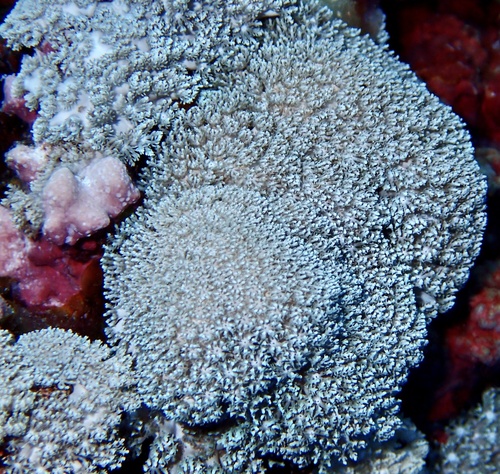
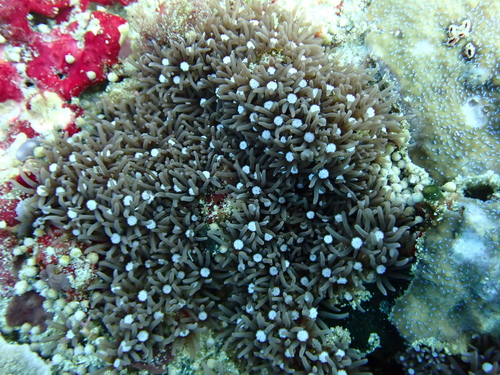
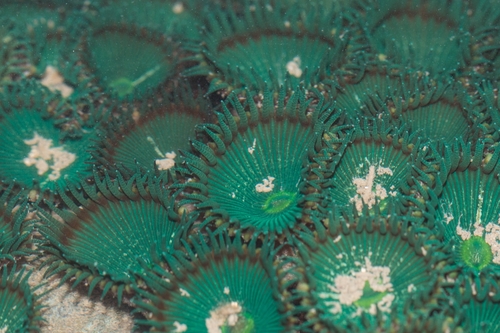
The Pipe Button Polyp Color Metalik Makasar (Protopalythoa sp.) is a captivating coral species renowned for its striking metallic colors and unique button-like appearance. Found in the warm, shallow waters of Bali, these corals thrive in nutrient-rich environments, often forming extensive colonies that provide shelter for various marine organisms. Their vibrant hues make them a favorite among coral enthusiasts and aquarium collectors alike.
Characteristically, the Pipe Button Polyp features small, round polyps that can expand to reveal their colorful oral discs, which are typically adorned with intricate patterns. These corals exhibit a range of colors, including bright greens, blues, and purples, which can change in intensity based on the lighting conditions in the aquarium. The growth pattern is encrusting, allowing them to cover surfaces and create visually appealing displays.
Behaviorally, Protopalythoa sp. is known for its resilience and adaptability. They are primarily photosynthetic, relying on symbiotic zooxanthellae to produce energy from light. However, they can also benefit from supplemental feeding, making them versatile in a captive environment. In their natural habitat, they are often found in colonies, which provides a stable ecosystem for smaller marine species seeking refuge from predators.
The preferred habitat of this coral includes shallow reefs and rocky substrates, where they can receive ample sunlight. They are often seen in areas with moderate water movement, which helps to deliver nutrients and remove waste. This habitat preference makes them an excellent choice for both beginner and experienced aquarists looking to enhance their marine displays with vibrant corals.
Characteristically, the Pipe Button Polyp features small, round polyps that can expand to reveal their colorful oral discs, which are typically adorned with intricate patterns. These corals exhibit a range of colors, including bright greens, blues, and purples, which can change in intensity based on the lighting conditions in the aquarium. The growth pattern is encrusting, allowing them to cover surfaces and create visually appealing displays.
Behaviorally, Protopalythoa sp. is known for its resilience and adaptability. They are primarily photosynthetic, relying on symbiotic zooxanthellae to produce energy from light. However, they can also benefit from supplemental feeding, making them versatile in a captive environment. In their natural habitat, they are often found in colonies, which provides a stable ecosystem for smaller marine species seeking refuge from predators.
The preferred habitat of this coral includes shallow reefs and rocky substrates, where they can receive ample sunlight. They are often seen in areas with moderate water movement, which helps to deliver nutrients and remove waste. This habitat preference makes them an excellent choice for both beginner and experienced aquarists looking to enhance their marine displays with vibrant corals.
To successfully care for Pipe Button Polyp Color Metalik Makasar, maintain stable water parameters that mimic their natural habitat. Ideal conditions include a temperature range of 24-28°C, salinity between 1.020-1.025 ppt, and a pH level of 8.1-8.4. Regular monitoring of these parameters is crucial to ensure the health of the corals.
Feeding should incorporate both light and supplemental nutrition. While they primarily depend on photosynthesis, offering finely chopped meaty foods or specialized coral foods 2-3 times a week can enhance growth and coloration. Compatibility-wise, these corals generally coexist well with other peaceful species but should be monitored closely around aggressive tank mates that may harm them.
Acclimation is essential when introducing these corals to a new environment. Gradually acclimate them to the tank conditions over a period of several hours to minimize stress. Quarantine new arrivals for 2-4 weeks to prevent the introduction of pests and diseases into your main display tank. Providing adequate space for growth will also contribute to their long-term health and vitality.
Feeding should incorporate both light and supplemental nutrition. While they primarily depend on photosynthesis, offering finely chopped meaty foods or specialized coral foods 2-3 times a week can enhance growth and coloration. Compatibility-wise, these corals generally coexist well with other peaceful species but should be monitored closely around aggressive tank mates that may harm them.
Acclimation is essential when introducing these corals to a new environment. Gradually acclimate them to the tank conditions over a period of several hours to minimize stress. Quarantine new arrivals for 2-4 weeks to prevent the introduction of pests and diseases into your main display tank. Providing adequate space for growth will also contribute to their long-term health and vitality.
The Pipe Button Polyp Color Metalik Makasar is suitable for air shipping, provided that optimal packing density is maintained to reduce stress during transport. Ensure temperature control during transit, ideally between 24-26°C, to protect the corals' health. There are no specific CITES restrictions for this species, but compliance with local regulations is recommended.
Species Parameters
Origin
Coral Triangle
Habitat
reef
Temp Min
24.0 °C
Temp Max
28.0 °C
Salinity Min
1.020
Salinity Max
1.025
pH Min
8.10
pH Max
8.40
Min Tank
100 L