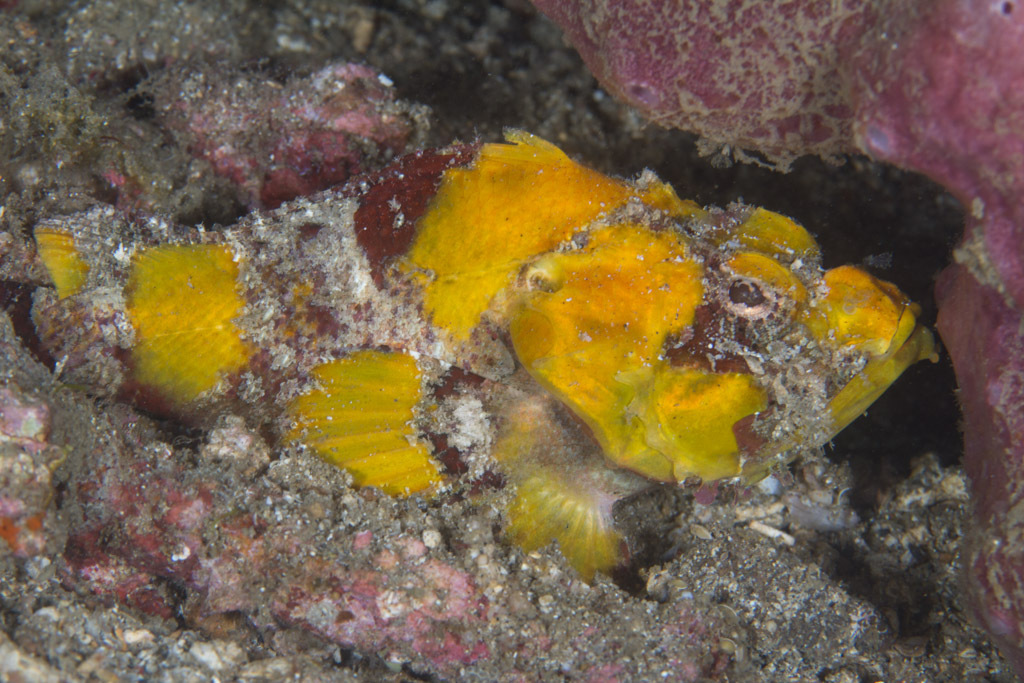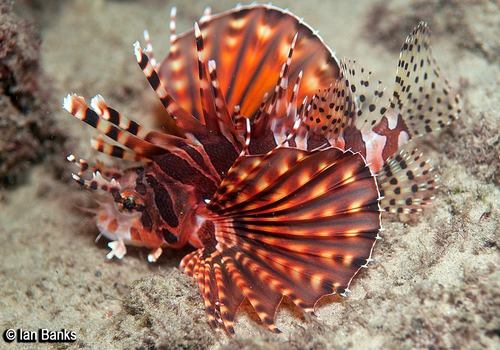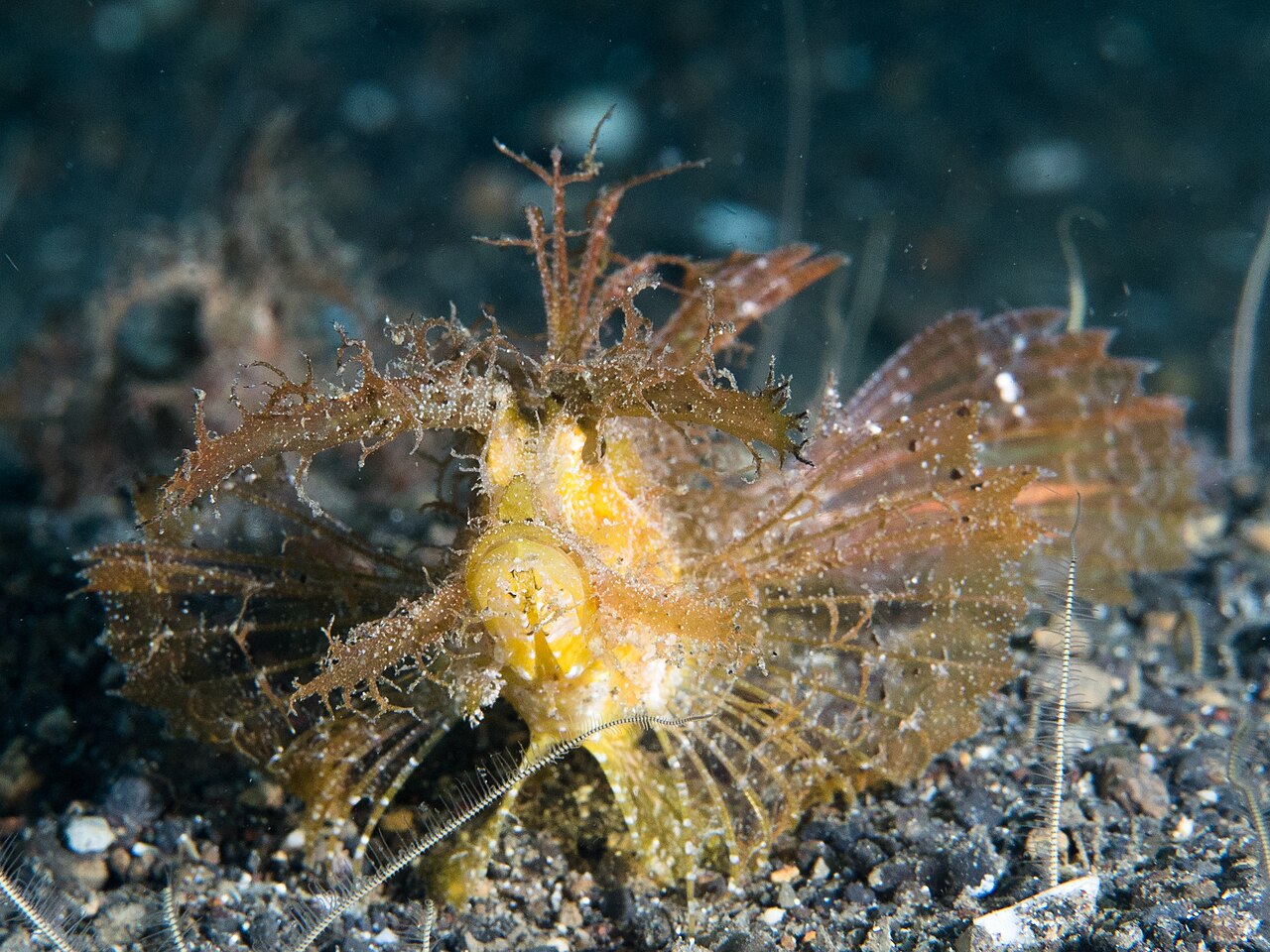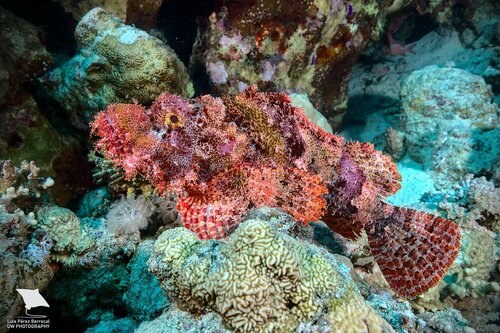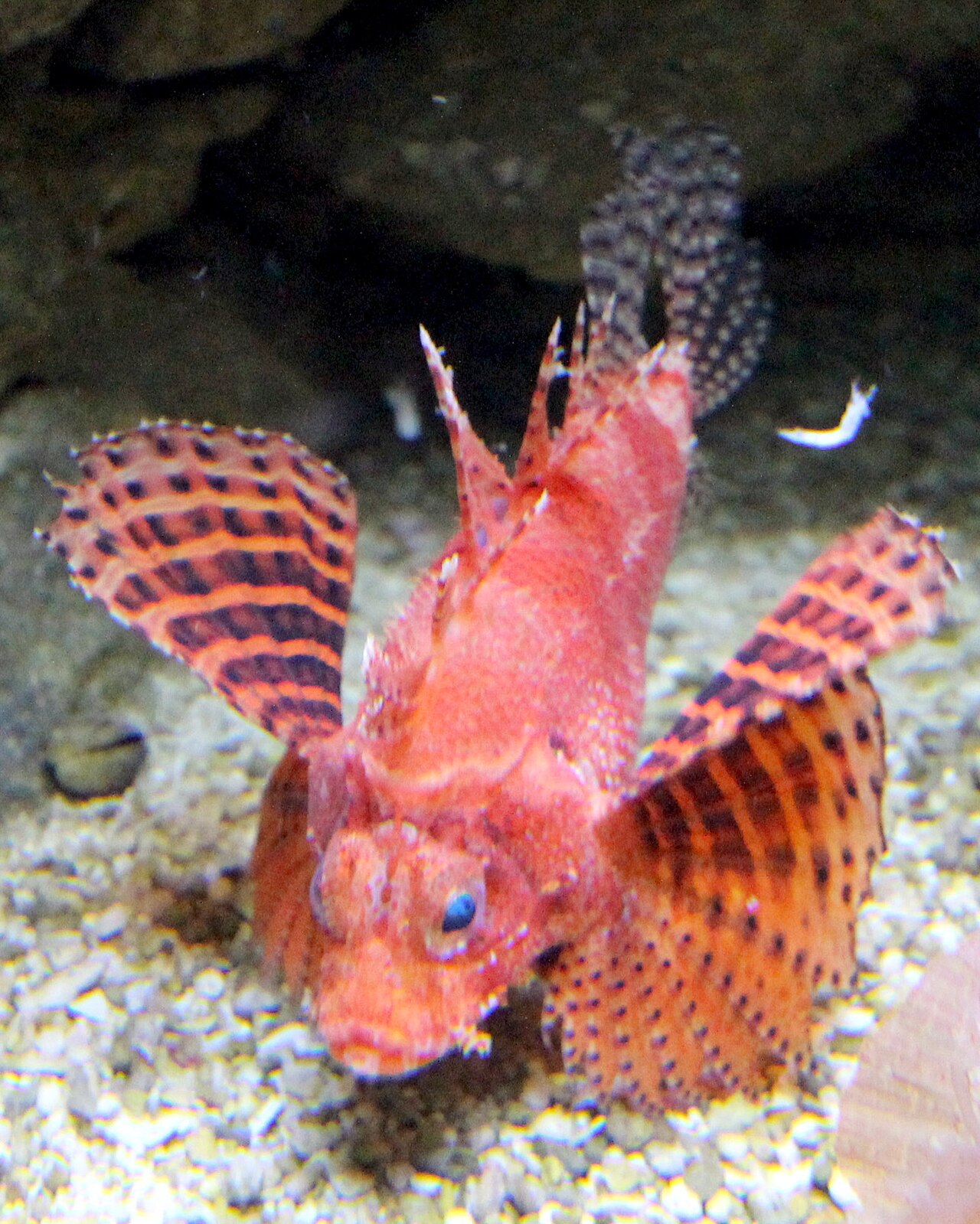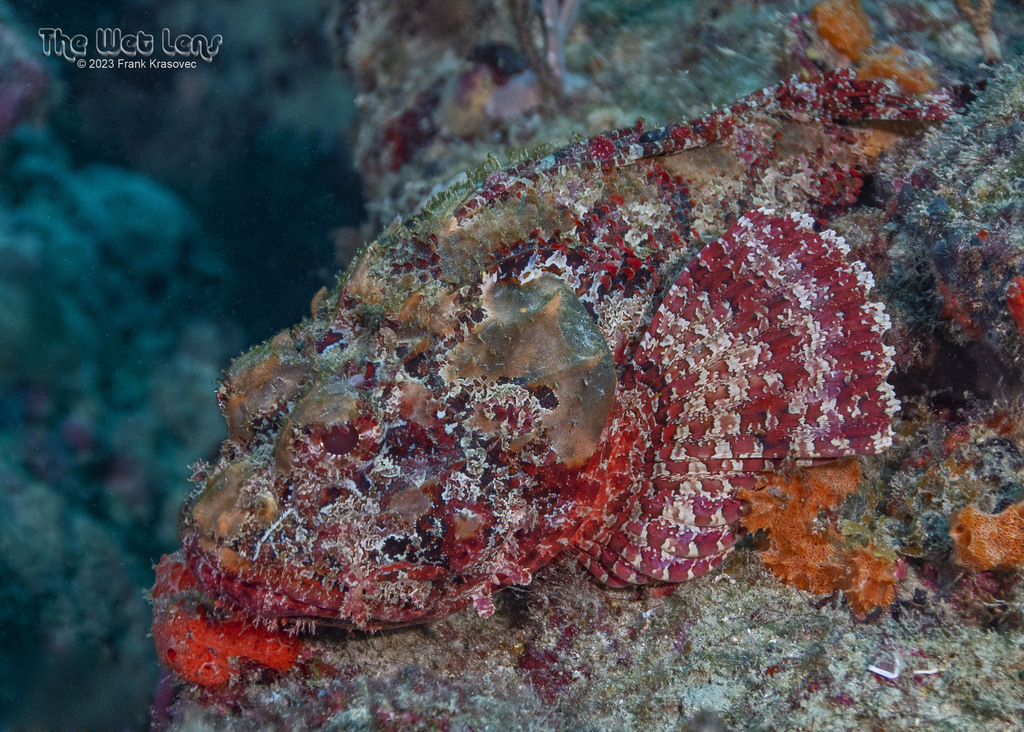
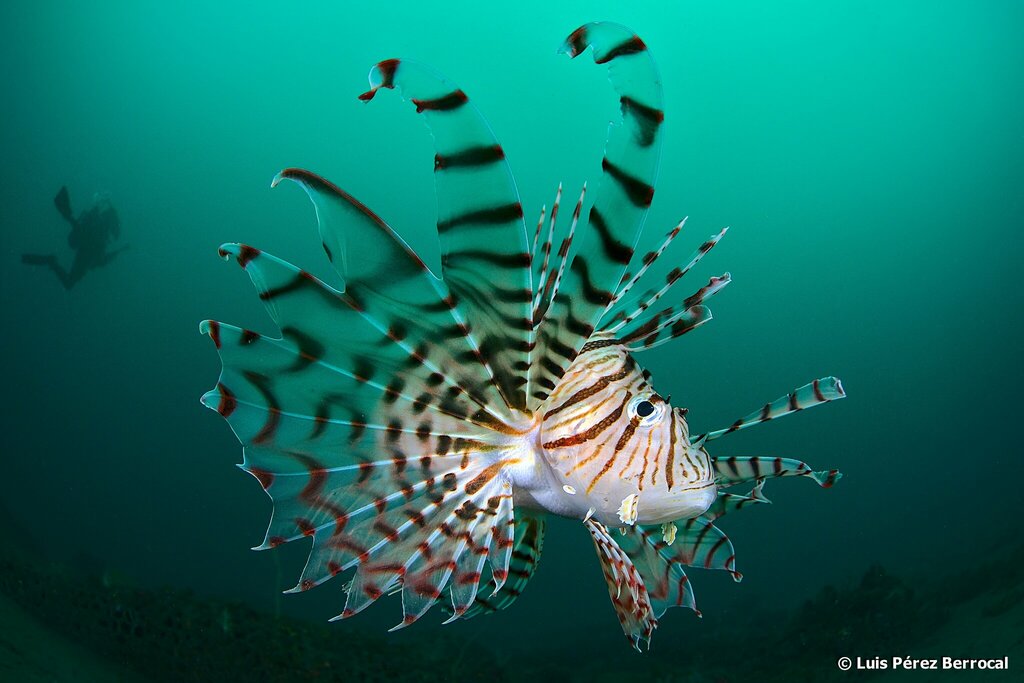
Luna lion fish/red lionfish
pterois lunulata
In Stock
Common stock
Wild Caught
Moderate care
With Caution
SKU: ML-MF-0360
The Luna lionfish is a stunning marine species known for its vibrant colors and intricate fin patterns.
Pricing for Verified Importers
Log in to see wholesale prices and order.
Export Size
up to 30.0 cm
Origin
Indo-Pacific
Temperature
24.0–28.0°C
Min. Tank Size
200 L
Salinity
1.020–1.025 ppt
pH
8.10–8.40
Diet
carnivore
The Luna lionfish (Pterois lunulata) is a captivating marine fish that belongs to the Scorpaenidae family. This species is often recognized for its striking appearance, featuring long, venomous spines and a unique combination of reddish-brown and white stripes. This coloration not only enhances its beauty but also provides effective camouflage among the coral reefs and rocky substrates where it typically resides. The Luna lionfish can reach an impressive size of up to 30 cm in length, making it a notable attraction in aquaria.
In terms of behavior, the Luna lionfish is primarily nocturnal, exhibiting a predatory nature that relies on ambush tactics to capture its prey. It feeds on small fish and crustaceans, using its large mouth and extended pectoral fins to corner and engulf its food. These fish are solitary by nature, often found resting in crevices or under ledges during the day, emerging at night to hunt. Their unique hunting strategy and striking appearance make them a favorite among marine enthusiasts and aquarists alike.
The natural habitat of the Luna lionfish is predominantly found in the Indo-Pacific region, especially around coral reefs and lagoon environments. These areas provide not only food resources but also shelter from potential predators. The species thrives in warm waters, typically between 24 to 28 degrees Celsius, and prefers areas with ample hiding spots to facilitate its ambush hunting style. The Luna lionfish's presence in coral ecosystems can significantly affect local fish populations, due to its role as a predator.
In summary, the Luna lionfish is a visually stunning and ecologically significant species. Its unique adaptations and behaviors make it a fascinating subject of study and a sought-after species for aquarium displays, contributing to its popularity in the marine aquarium trade.
In terms of behavior, the Luna lionfish is primarily nocturnal, exhibiting a predatory nature that relies on ambush tactics to capture its prey. It feeds on small fish and crustaceans, using its large mouth and extended pectoral fins to corner and engulf its food. These fish are solitary by nature, often found resting in crevices or under ledges during the day, emerging at night to hunt. Their unique hunting strategy and striking appearance make them a favorite among marine enthusiasts and aquarists alike.
The natural habitat of the Luna lionfish is predominantly found in the Indo-Pacific region, especially around coral reefs and lagoon environments. These areas provide not only food resources but also shelter from potential predators. The species thrives in warm waters, typically between 24 to 28 degrees Celsius, and prefers areas with ample hiding spots to facilitate its ambush hunting style. The Luna lionfish's presence in coral ecosystems can significantly affect local fish populations, due to its role as a predator.
In summary, the Luna lionfish is a visually stunning and ecologically significant species. Its unique adaptations and behaviors make it a fascinating subject of study and a sought-after species for aquarium displays, contributing to its popularity in the marine aquarium trade.
When caring for the Luna lionfish, it is essential to maintain appropriate water parameters to ensure its health and well-being. The ideal temperature range for this species is between 24-28 degrees Celsius, with a salinity of 1.020 to 1.025 ppt. A pH level between 8.1 and 8.4 is also recommended. To accommodate the Luna lionfish, a minimum tank size of 200 liters is advised, allowing sufficient space for swimming and hiding.
Feeding should consist of a varied diet rich in protein, primarily including live or frozen foods such as small fish and crustaceans. Regular feeding, ideally 2-3 times a week, will help maintain their health and vibrant coloration. Compatibility with other species can be tricky; while they can coexist with larger, non-aggressive fish, caution should be taken to avoid smaller fish that may become prey.
Acclimation is crucial when introducing the Luna lionfish to a new aquarium. A slow acclimation process over several hours will help reduce stress and ensure a successful transition. Additionally, a quarantine period of at least two weeks is advised for all new arrivals to monitor for any signs of disease or parasites before introducing them to the main tank. This practice helps maintain the overall health of your aquarium community.
Feeding should consist of a varied diet rich in protein, primarily including live or frozen foods such as small fish and crustaceans. Regular feeding, ideally 2-3 times a week, will help maintain their health and vibrant coloration. Compatibility with other species can be tricky; while they can coexist with larger, non-aggressive fish, caution should be taken to avoid smaller fish that may become prey.
Acclimation is crucial when introducing the Luna lionfish to a new aquarium. A slow acclimation process over several hours will help reduce stress and ensure a successful transition. Additionally, a quarantine period of at least two weeks is advised for all new arrivals to monitor for any signs of disease or parasites before introducing them to the main tank. This practice helps maintain the overall health of your aquarium community.
The Luna lionfish is suited for shipping, provided that proper precautions are taken. It is important to maintain a stable temperature during transit, ideally between 24-28 degrees Celsius. Packing density should allow for adequate water circulation, minimizing stress during transport. This species is not currently listed under CITES, but compliance with local regulations is recommended to ensure ethical trade practices.
Species Parameters
Max Adult Size
30.0 cm
Origin
Indo-Pacific
Diet
carnivore
Temp Min
24.0 °C
Temp Max
28.0 °C
Salinity Min
1.020
Salinity Max
1.025
pH Min
8.10
pH Max
8.40
Min Tank
200 L