Barracuda
Sphyraena barracuda
In Stock
Common stock
Wild Caught
Moderate care
With Caution
SKU: CB-MF-0380
The Barracuda is a striking predator known for its speed and agility in the water.
Pricing for Verified Importers
Log in to see wholesale prices and order.
Export Size
up to 180.0 cm
Origin
Coral Triangle
Temperature
24.0–28.0°C
Min. Tank Size
500 L
Salinity
30.000–35.000 ppt
pH
7.80–8.50
Diet
carnivore
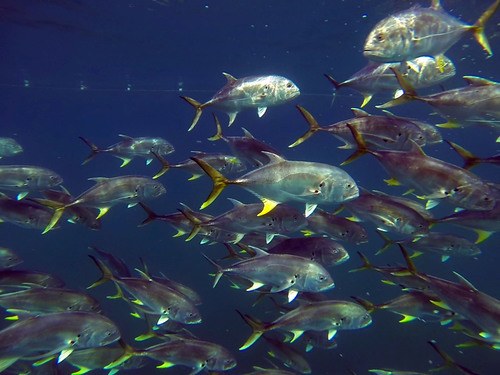
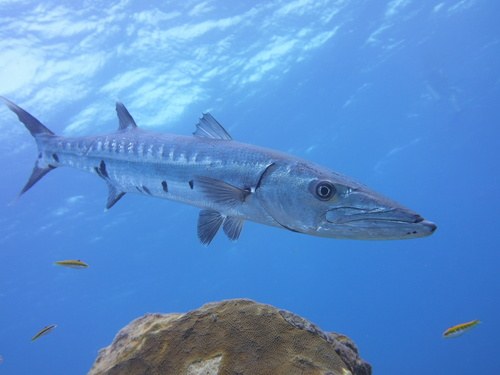
The Barracuda (Sphyraena barracuda) is a formidable marine fish found in tropical and subtropical waters, particularly in the Coral Triangle and around Bali, Indonesia. Recognized for its elongated body and sharp teeth, this species can grow up to 1.8 meters in length. The Barracuda's sleek, torpedo-like shape allows it to navigate swiftly through the water, making it an efficient predator. Its coloration typically includes a silver body with a bluish or greenish hue on the dorsal side, which helps it blend into the ocean depths while hunting for prey.
In terms of behavior, Barracudas are known for their solitary nature but can also be found in small groups, especially when young. They are ambush predators, often lurking near reefs or in open waters, waiting to strike at fish and other smaller marine creatures. Their keen eyesight and fast reflexes make them excellent hunters, and they are often seen darting through schools of fish, taking advantage of their speed to catch unsuspecting prey.
Barracudas inhabit a variety of marine environments, including coral reefs, rocky areas, and open ocean waters. They prefer warmer waters and are typically found at depths ranging from the surface down to about 100 meters. As a species, they play a crucial role in the marine ecosystem, helping to maintain the balance of fish populations in their habitats.
Due to their predatory nature and impressive size, Barracudas are also popular in sport fishing and aquaristics, attracting interest from both recreational and commercial sectors. Their striking appearance and dynamic behavior make them a sought-after species for display in large aquariums, where they can showcase their natural grace and hunting prowess.
In terms of behavior, Barracudas are known for their solitary nature but can also be found in small groups, especially when young. They are ambush predators, often lurking near reefs or in open waters, waiting to strike at fish and other smaller marine creatures. Their keen eyesight and fast reflexes make them excellent hunters, and they are often seen darting through schools of fish, taking advantage of their speed to catch unsuspecting prey.
Barracudas inhabit a variety of marine environments, including coral reefs, rocky areas, and open ocean waters. They prefer warmer waters and are typically found at depths ranging from the surface down to about 100 meters. As a species, they play a crucial role in the marine ecosystem, helping to maintain the balance of fish populations in their habitats.
Due to their predatory nature and impressive size, Barracudas are also popular in sport fishing and aquaristics, attracting interest from both recreational and commercial sectors. Their striking appearance and dynamic behavior make them a sought-after species for display in large aquariums, where they can showcase their natural grace and hunting prowess.
When importing Barracudas, it is essential to provide optimal water conditions to ensure their health and well-being. Ideal water parameters include a temperature range of 24°C to 28°C, salinity of 30-35 ppt, and a pH level between 7.8 and 8.5. Due to their size and active nature, a minimum tank size of 500 liters is recommended, allowing ample space for swimming and exploration.
Feeding Barracudas requires a diet rich in protein, primarily consisting of high-quality marine fish, shrimp, and cephalopods. They thrive on a carnivorous diet, and it is crucial to provide them with varied food sources to mimic their natural hunting behavior. Compatibility with other species can be challenging, as Barracudas may exhibit aggressive tendencies towards smaller fish; thus, it is advisable to house them with larger, robust species.
Acclimation should be gradual to minimize stress; using the drip acclimation method is recommended for new arrivals. Quarantine procedures are also essential to prevent the spread of diseases; keeping them separate for at least two weeks in a controlled environment will help monitor their health before introducing them to a display tank.
Feeding Barracudas requires a diet rich in protein, primarily consisting of high-quality marine fish, shrimp, and cephalopods. They thrive on a carnivorous diet, and it is crucial to provide them with varied food sources to mimic their natural hunting behavior. Compatibility with other species can be challenging, as Barracudas may exhibit aggressive tendencies towards smaller fish; thus, it is advisable to house them with larger, robust species.
Acclimation should be gradual to minimize stress; using the drip acclimation method is recommended for new arrivals. Quarantine procedures are also essential to prevent the spread of diseases; keeping them separate for at least two weeks in a controlled environment will help monitor their health before introducing them to a display tank.
Barracudas are suitable for shipping, provided they are packed with care to maintain water quality and minimize stress. The ideal packing density is one fish per 40 liters of water to ensure adequate space and oxygen. Temperature should be maintained between 24°C and 28°C during transport. As a marine species, they do not have CITES status, simplifying export and import regulations.
Species Parameters
Max Adult Size
180.0 cm
Origin
Coral Triangle
Diet
carnivore
Temp Min
24.0 °C
Temp Max
28.0 °C
Salinity Min
30.000
Salinity Max
35.000
pH Min
7.80
pH Max
8.50
Min Tank
500 L