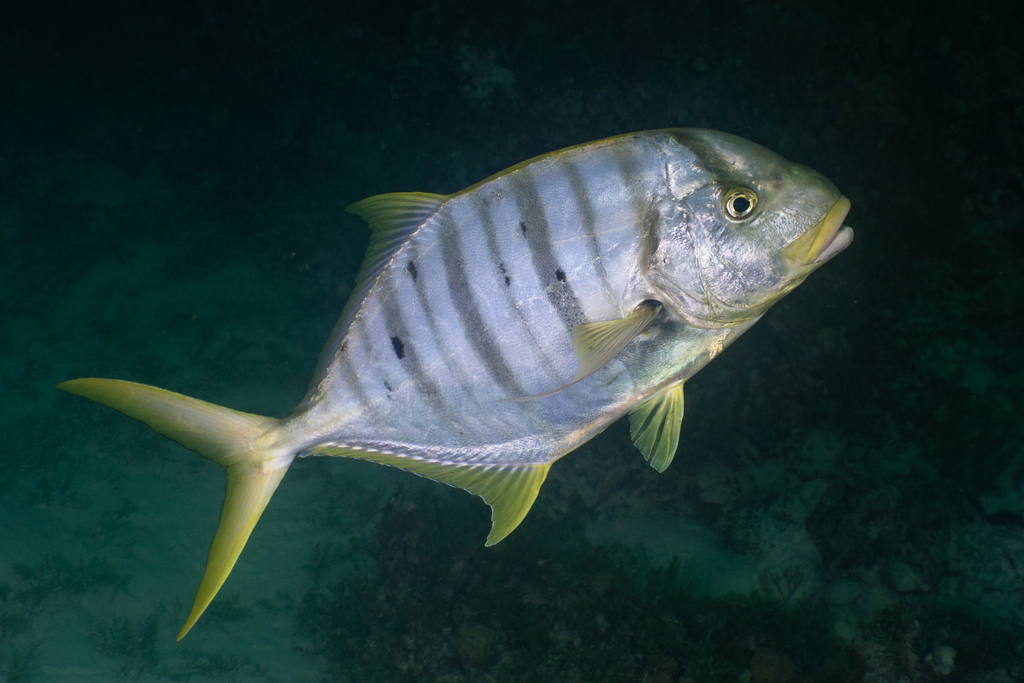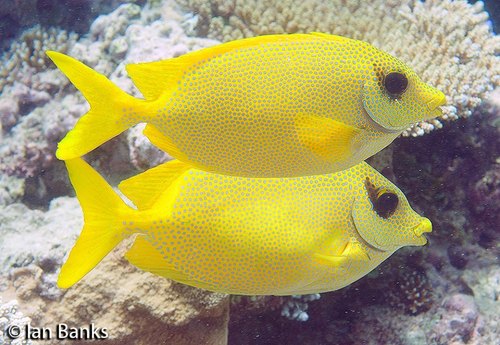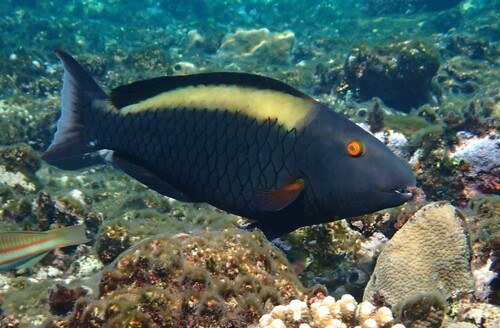
Bicolor Parrotfish
Cetoscarus bicolor
In Stock
Common stock
Wild Caught
Moderate care
With Caution
SKU: CB-MF-0264
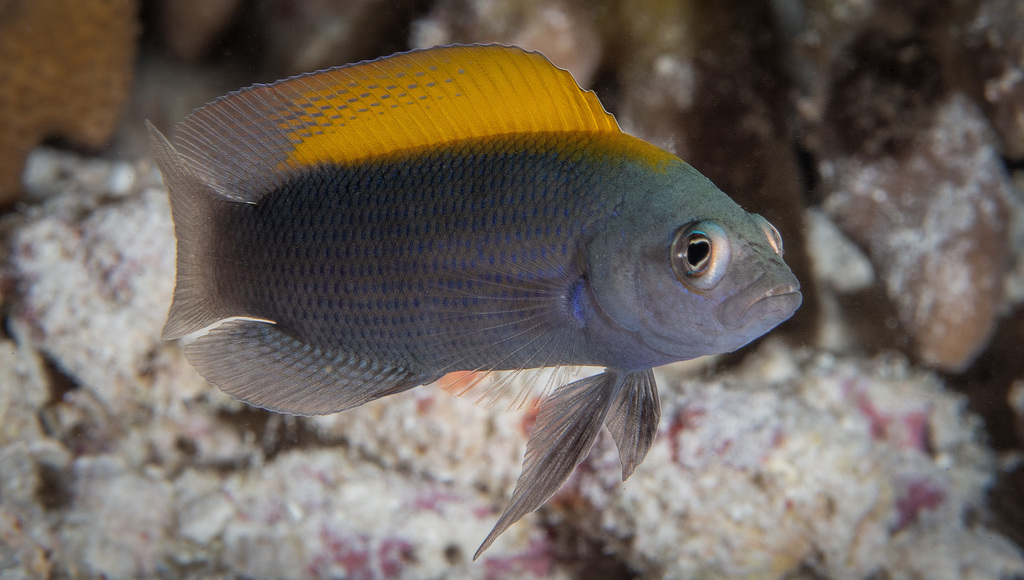
The Bicolor Parrotfish is a striking marine species known for its vibrant colors and unique beak-like teeth.
Pricing for Verified Importers
Log in to see wholesale prices and order.
Export Size
up to 70.0 cm
Origin
Coral Triangle
Temperature
24.0–28.0°C
Min. Tank Size
300 L
Salinity
32.000–37.000 ppt
pH
8.10–8.40
Diet
herbivore
The Bicolor Parrotfish (Cetoscarus bicolor) is a captivating marine fish indigenous to the warm waters of the Coral Triangle, particularly around Bali, Indonesia. This species is celebrated for its vibrant coloration, which features a stunning combination of blue and green hues alongside bright yellow accents. As adults, they can grow up to 70 cm in length, making them a substantial presence in reef ecosystems.
Natural history reveals that the Bicolor Parrotfish plays a crucial role in maintaining the health of coral reefs. They primarily feed on algae and the calcified skeletons of corals, using their specialized beak-like teeth to graze on these surfaces. This feeding behavior not only helps control algae populations but also contributes to the bioerosion process that shapes reef structures. Their diet is predominantly herbivorous, which is vital for the ecosystem balance.
Behaviorally, Bicolor Parrotfish are known to be social animals, often found in small groups or pairs. They exhibit interesting social dynamics, including a hierarchy within their groups. These fish are diurnal, spending their days grazing and hiding among corals and rocky substrates to evade predators. At night, they create a mucus cocoon to protect themselves from potential threats, showcasing their unique adaptation strategies.
Habitat-wise, they thrive in shallow reef environments, preferring areas with abundant coral cover. The Bicolor Parrotfish is commonly found at depths ranging from 1 to 30 meters, where they can easily access their primary food sources. Their presence is an indicator of healthy reef ecosystems, making them a sought-after species for both aquarists and conservationists alike.
Natural history reveals that the Bicolor Parrotfish plays a crucial role in maintaining the health of coral reefs. They primarily feed on algae and the calcified skeletons of corals, using their specialized beak-like teeth to graze on these surfaces. This feeding behavior not only helps control algae populations but also contributes to the bioerosion process that shapes reef structures. Their diet is predominantly herbivorous, which is vital for the ecosystem balance.
Behaviorally, Bicolor Parrotfish are known to be social animals, often found in small groups or pairs. They exhibit interesting social dynamics, including a hierarchy within their groups. These fish are diurnal, spending their days grazing and hiding among corals and rocky substrates to evade predators. At night, they create a mucus cocoon to protect themselves from potential threats, showcasing their unique adaptation strategies.
Habitat-wise, they thrive in shallow reef environments, preferring areas with abundant coral cover. The Bicolor Parrotfish is commonly found at depths ranging from 1 to 30 meters, where they can easily access their primary food sources. Their presence is an indicator of healthy reef ecosystems, making them a sought-after species for both aquarists and conservationists alike.
For importers and retailers, the Bicolor Parrotfish requires specific care to thrive in captivity. Optimal water parameters include a temperature range of 24-28°C, with a salinity level between 32-37 ppt. The pH should be maintained between 8.1 and 8.4 to ensure their well-being. A minimum tank size of 300 liters is recommended to accommodate their size and swimming behavior.
Dietarily, these fish are primarily herbivorous, thriving on a diet of algae-based foods, high-quality pellets, and fresh vegetables. It is essential to provide a balanced diet to prevent nutritional deficiencies. Compatibility with other fish should be considered, as Bicolor Parrotfish can be territorial, especially with similar-sized species. They are best kept with larger, non-aggressive tank mates.
Acclimation should be done slowly to reduce stress, typically involving a drip acclimation method over several hours. Quarantine is recommended for new arrivals to prevent the introduction of pathogens to the main display tank. Regular monitoring and maintenance of water quality are crucial to ensure their health and longevity in captivity.
Dietarily, these fish are primarily herbivorous, thriving on a diet of algae-based foods, high-quality pellets, and fresh vegetables. It is essential to provide a balanced diet to prevent nutritional deficiencies. Compatibility with other fish should be considered, as Bicolor Parrotfish can be territorial, especially with similar-sized species. They are best kept with larger, non-aggressive tank mates.
Acclimation should be done slowly to reduce stress, typically involving a drip acclimation method over several hours. Quarantine is recommended for new arrivals to prevent the introduction of pathogens to the main display tank. Regular monitoring and maintenance of water quality are crucial to ensure their health and longevity in captivity.
Bicolor Parrotfish are suitable for shipping, provided they are packed with care to minimize stress. A packing density of 1 fish per 10-15 liters is recommended to ensure adequate space. They are sensitive to temperature fluctuations, so maintaining a stable environment during transit is crucial. This species is not listed under CITES, simplifying export compliance.
Species Parameters
Max Adult Size
70.0 cm
Origin
Coral Triangle
Diet
herbivore
Temp Min
24.0 °C
Temp Max
28.0 °C
Salinity Min
32.000
Salinity Max
37.000
pH Min
8.10
pH Max
8.40
Min Tank
300 L