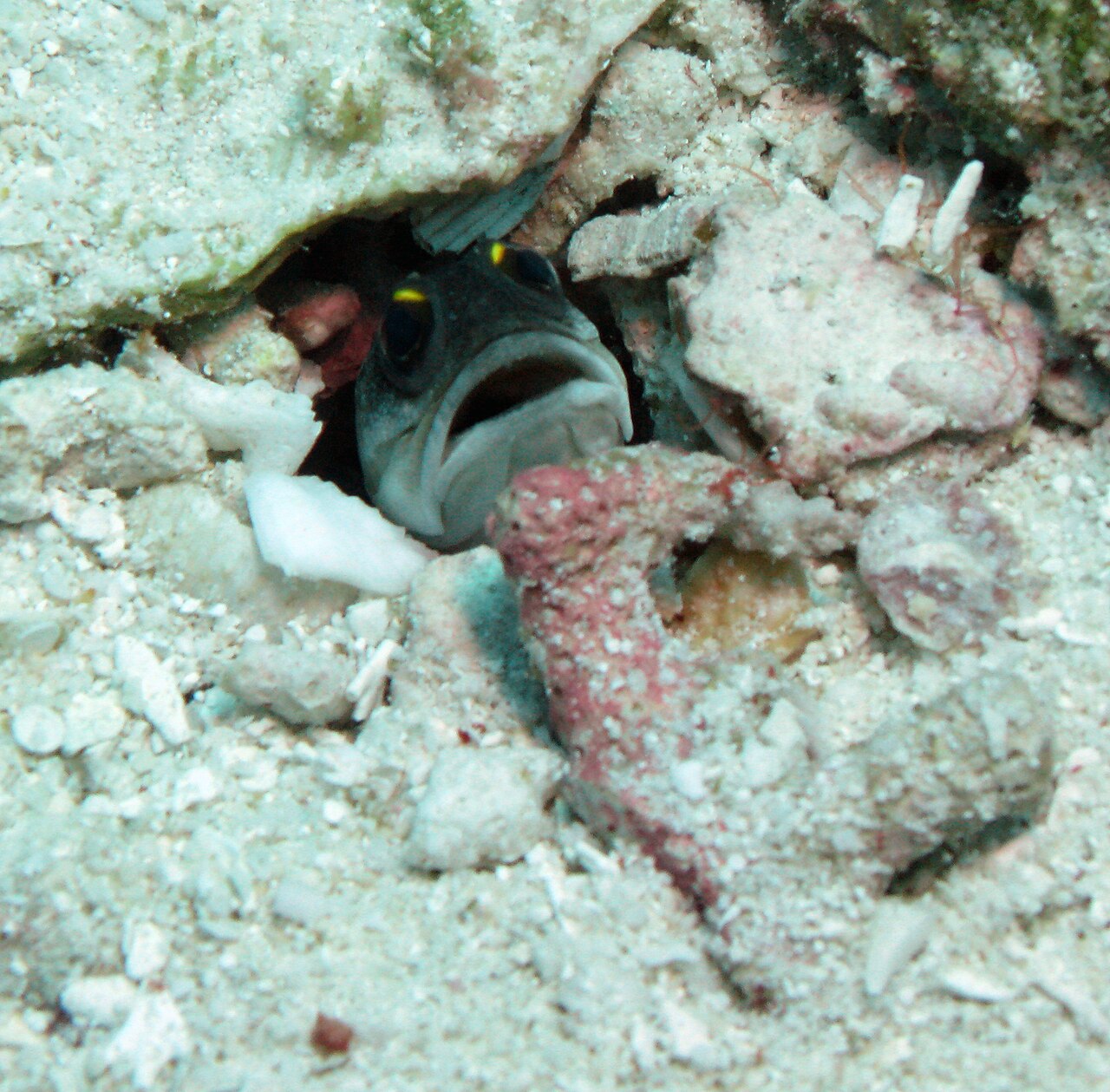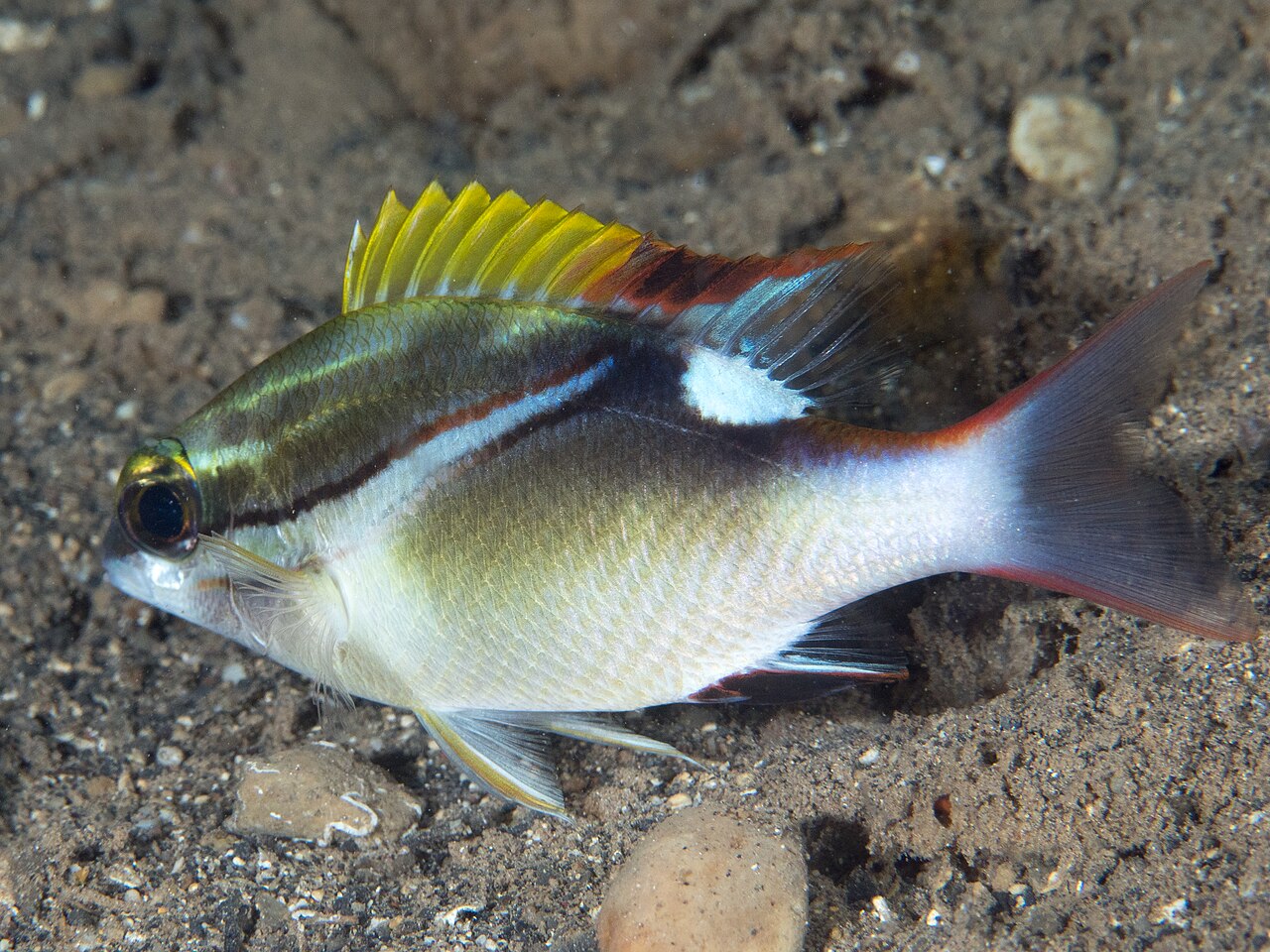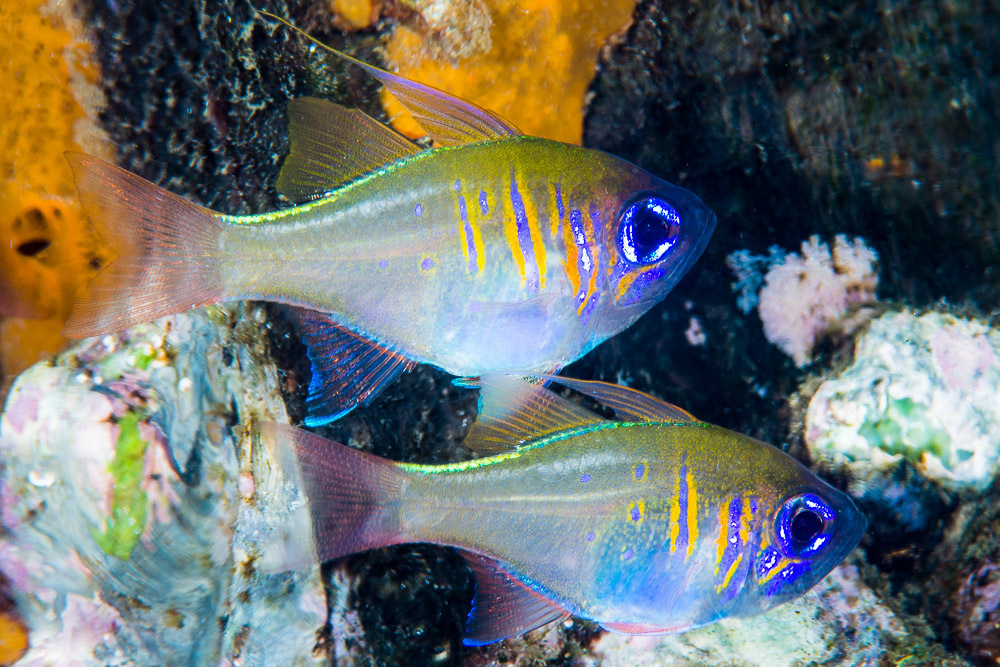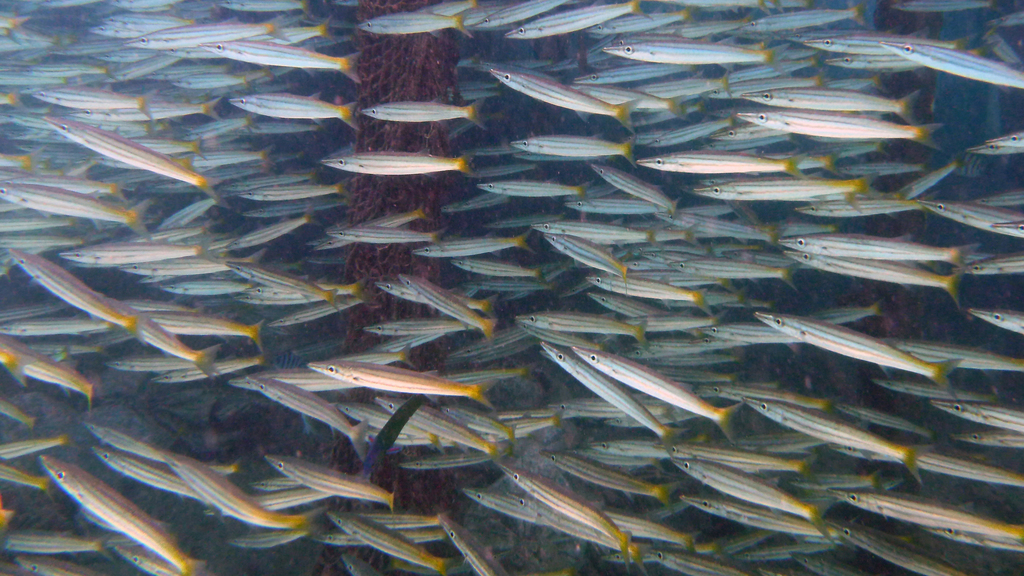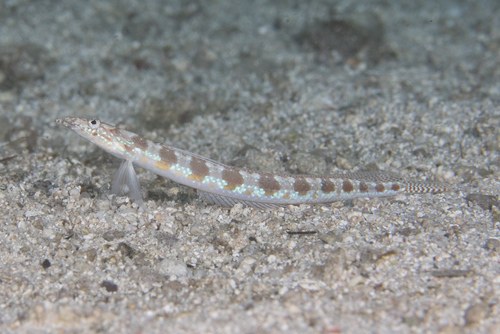
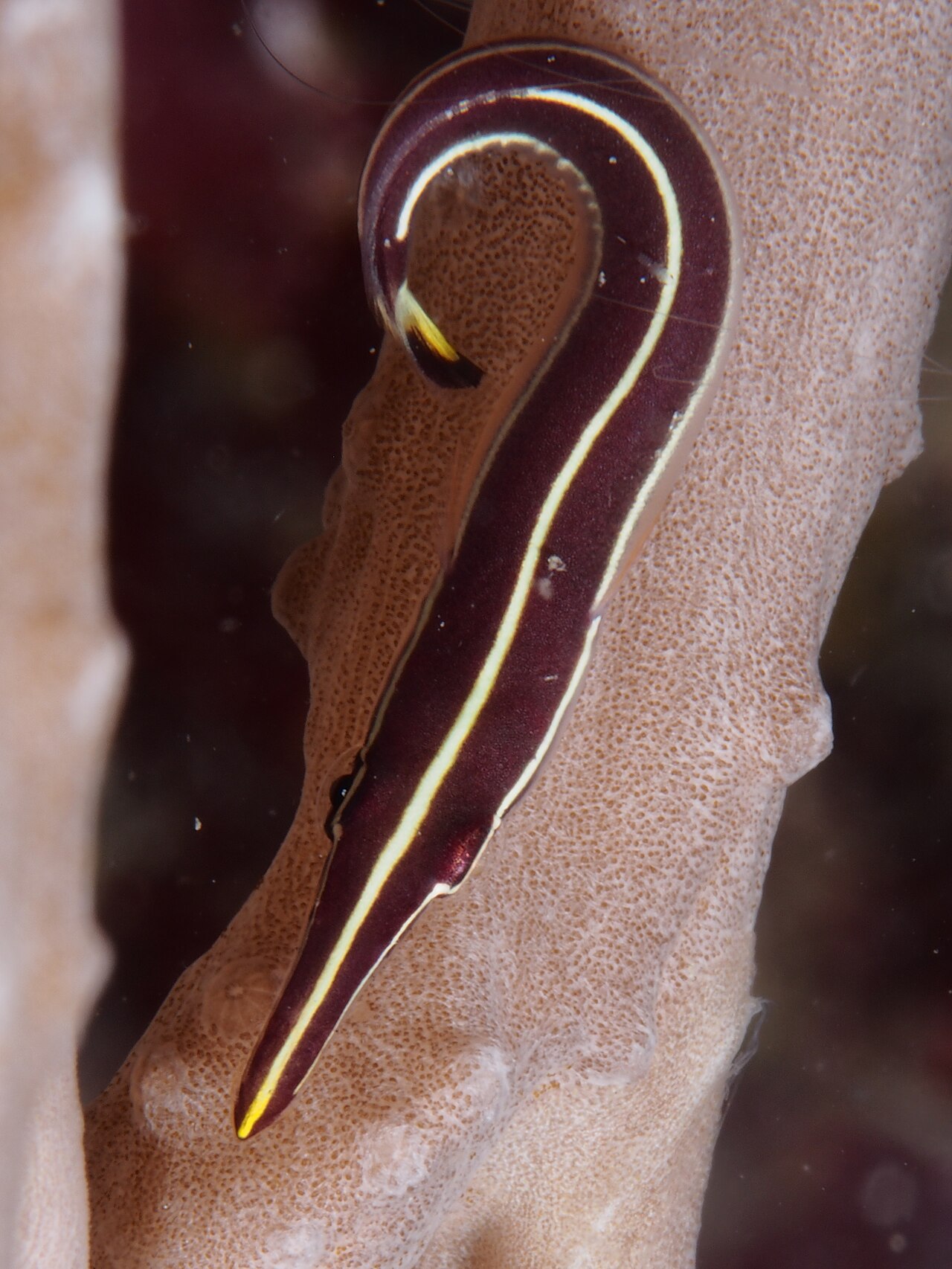
Striped Clingfish/Long-snout clingfish
diademichthys lineatus
In Stock
Common stock
Wild Caught
Moderate care
With Caution
SKU: ML-MF-0259
Discover the fascinating Striped Clingfish, a unique marine gem from Bali.
Pricing for Verified Importers
Log in to see wholesale prices and order.
Export Size
up to 10.0 cm
Origin
Indo-Pacific
Temperature
24.0–28.0°C
Min. Tank Size
100 L
Salinity
30.000–35.000 ppt
pH
7.80–8.40
Diet
carnivore
The Striped Clingfish, scientifically known as Diademichthys lineatus, is a remarkable marine species celebrated for its distinctive appearance and behavior. This small fish exhibits a striking pattern of vertical stripes that run along its elongated body, providing excellent camouflage amongst the seaweed and rocky substrates of its natural habitat. Typically found in shallow coastal waters, this clingfish showcases a fascinating adaptation: it possesses a specialized suction disc on its belly, allowing it to adhere to various surfaces and evade predators effectively.
In terms of natural history, the Striped Clingfish is primarily nocturnal, becoming more active during the night when it hunts for small invertebrates such as crustaceans and worms. During the day, it often seeks refuge in crevices and under rocks, where it can remain hidden from potential threats. Its unique feeding strategy involves using its elongated snout to probe into tight spaces, demonstrating its evolutionary adaptations to its environment.
The habitat of the Striped Clingfish includes rocky reefs and coastal lagoons across the Indo-Pacific region, particularly around coral reefs where it can find ample food and shelter. These habitats are rich in biodiversity, making them ideal for the clingfish to thrive. The presence of this species indicates a healthy marine ecosystem, as they play a role in the balance of the reef community.
Overall, the Striped Clingfish is not only a visually appealing species but also an important component of its ecosystem, making it a desirable addition for aquarium enthusiasts and importers alike.
In terms of natural history, the Striped Clingfish is primarily nocturnal, becoming more active during the night when it hunts for small invertebrates such as crustaceans and worms. During the day, it often seeks refuge in crevices and under rocks, where it can remain hidden from potential threats. Its unique feeding strategy involves using its elongated snout to probe into tight spaces, demonstrating its evolutionary adaptations to its environment.
The habitat of the Striped Clingfish includes rocky reefs and coastal lagoons across the Indo-Pacific region, particularly around coral reefs where it can find ample food and shelter. These habitats are rich in biodiversity, making them ideal for the clingfish to thrive. The presence of this species indicates a healthy marine ecosystem, as they play a role in the balance of the reef community.
Overall, the Striped Clingfish is not only a visually appealing species but also an important component of its ecosystem, making it a desirable addition for aquarium enthusiasts and importers alike.
When caring for Striped Clingfish, it is crucial to replicate their natural environment as closely as possible. Ideal water parameters include a temperature range of 24-28°C, a salinity of 30-35 ppt, and a pH level between 7.8 and 8.4. A minimum tank size of 100 liters is recommended to provide ample space for exploration and hiding spots.
Feeding should consist of a varied diet that includes high-quality frozen foods like mysis shrimp, brine shrimp, and finely chopped marine fish. Regular feeding will help maintain their health and vibrancy. Compatibility-wise, Striped Clingfish can be kept with other peaceful marine species, but caution should be taken when introducing them to aggressive tank mates.
Acclimation is essential; allow the fish to adjust slowly to the new environment over several hours by using the drip acclimation method. Quarantine new arrivals for at least two weeks to prevent the introduction of diseases to your main tank. With proper care, the Striped Clingfish can thrive in a well-maintained aquarium, providing both beauty and intrigue for hobbyists.
Feeding should consist of a varied diet that includes high-quality frozen foods like mysis shrimp, brine shrimp, and finely chopped marine fish. Regular feeding will help maintain their health and vibrancy. Compatibility-wise, Striped Clingfish can be kept with other peaceful marine species, but caution should be taken when introducing them to aggressive tank mates.
Acclimation is essential; allow the fish to adjust slowly to the new environment over several hours by using the drip acclimation method. Quarantine new arrivals for at least two weeks to prevent the introduction of diseases to your main tank. With proper care, the Striped Clingfish can thrive in a well-maintained aquarium, providing both beauty and intrigue for hobbyists.
The Striped Clingfish is suitable for shipping due to its small size and hardiness. Packing density should be moderate to ensure sufficient oxygen levels during transport. It is sensitive to temperature fluctuations, so maintaining a stable temperature between 24-26°C is critical during shipping. There are no CITES restrictions on this species, allowing for smooth export procedures.
Species Parameters
Max Adult Size
10.0 cm
Origin
Indo-Pacific
Diet
carnivore
Temp Min
24.0 °C
Temp Max
28.0 °C
Salinity Min
30.000
Salinity Max
35.000
pH Min
7.80
pH Max
8.40
Min Tank
100 L