Butterfly Ray
Gymnura japonica
In Stock
Common stock
Wild Caught
Moderate care
With Caution
SKU: CB-MF-0397
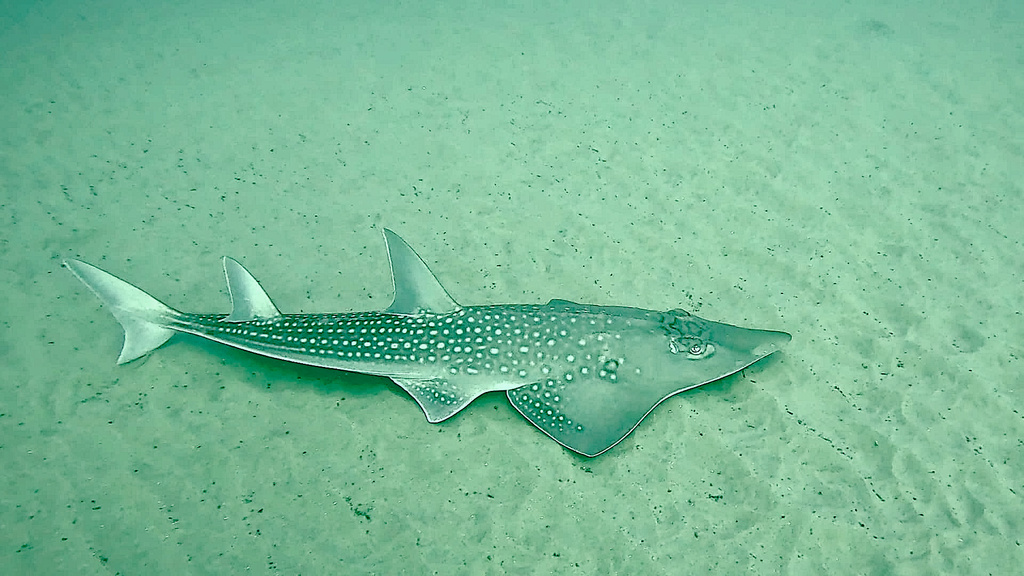
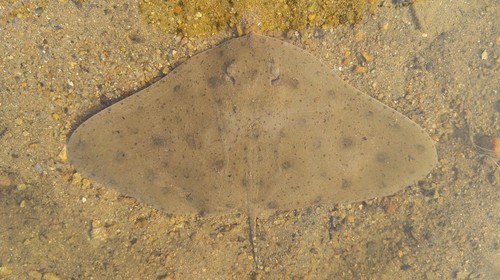
The Butterfly Ray (Gymnura japonica) is a stunning marine species known for its unique shape and graceful movements.
Pricing for Verified Importers
Log in to see wholesale prices and order.
Export Size
up to 100.0 cm
Origin
Indo-Pacific
Temperature
24.0–28.0°C
Min. Tank Size
500 L
Salinity
30.000–35.000 ppt
pH
7.80–8.40
Diet
carnivore
The Japanese butterfly ray, scientifically known as Gymnura japonica, is a captivating species belonging to the family Gymnuridae. This species is primarily found in the warm coastal waters of the Indo-Pacific region, specifically from Japan down to Cambodia. Butterfly rays are recognized for their distinctive, flattened bodies that resemble a butterfly's wings, allowing them to glide gracefully through the water. Their coloration typically features a blend of browns and grays, providing excellent camouflage against sandy substrates.
In terms of natural behavior, Gymnura japonica is known for its gentle disposition, often seen resting on the seafloor or slowly swimming close to the substrate in search of prey. These rays are primarily nocturnal and exhibit a unique feeding strategy; they often bury themselves partially in the sand to ambush unsuspecting prey such as crustaceans and small fish. Their anatomical adaptations, including a specialized mouth positioned on the underside of their bodies, allow them to efficiently capture and consume their food.
Habitat-wise, butterfly rays thrive in shallow coastal waters, often frequenting sandy or muddy bottoms where they can easily blend in. They are typically found at depths ranging from the intertidal zone to about 40 meters. These rays prefer habitats that provide ample cover and food sources, making them an integral part of the marine ecosystem. Their presence indicates a healthy environment, as they play a role in maintaining the balance of marine life.
Due to their unique characteristics and behavioral patterns, Gymnura japonica has garnered interest among aquarists and marine enthusiasts. Their gentle nature and striking appearance make them a desirable species for public aquariums and private collections alike.
In terms of natural behavior, Gymnura japonica is known for its gentle disposition, often seen resting on the seafloor or slowly swimming close to the substrate in search of prey. These rays are primarily nocturnal and exhibit a unique feeding strategy; they often bury themselves partially in the sand to ambush unsuspecting prey such as crustaceans and small fish. Their anatomical adaptations, including a specialized mouth positioned on the underside of their bodies, allow them to efficiently capture and consume their food.
Habitat-wise, butterfly rays thrive in shallow coastal waters, often frequenting sandy or muddy bottoms where they can easily blend in. They are typically found at depths ranging from the intertidal zone to about 40 meters. These rays prefer habitats that provide ample cover and food sources, making them an integral part of the marine ecosystem. Their presence indicates a healthy environment, as they play a role in maintaining the balance of marine life.
Due to their unique characteristics and behavioral patterns, Gymnura japonica has garnered interest among aquarists and marine enthusiasts. Their gentle nature and striking appearance make them a desirable species for public aquariums and private collections alike.
When caring for the Japanese butterfly ray, it is essential to replicate their natural habitat as closely as possible. Ideal water parameters include a temperature range of 24-28°C, salinity of 30-35 ppt, and a pH of 7.8-8.4. Regular monitoring of water quality is crucial, as butterfly rays are sensitive to changes in their environment. They require ample swimming space, so a minimum tank size of 500 liters is recommended.
Feeding should consist of a varied diet including high-quality frozen or live foods such as shrimp, clams, and small fish. It is advisable to feed them multiple times a week to ensure they receive adequate nutrition. Compatibility with other species should be carefully considered; they can be kept with larger, non-aggressive fish, but smaller or overly active tank mates may stress them.
Acclimation is vital when introducing butterfly rays into a new tank. It is recommended to acclimate them slowly over a period of several hours to minimize stress. Quarantine procedures should also be followed to ensure the health of the ray and prevent the introduction of diseases into the main aquarium. Regular health checks and maintaining a stable environment will contribute to their well-being and longevity in captivity.
Feeding should consist of a varied diet including high-quality frozen or live foods such as shrimp, clams, and small fish. It is advisable to feed them multiple times a week to ensure they receive adequate nutrition. Compatibility with other species should be carefully considered; they can be kept with larger, non-aggressive fish, but smaller or overly active tank mates may stress them.
Acclimation is vital when introducing butterfly rays into a new tank. It is recommended to acclimate them slowly over a period of several hours to minimize stress. Quarantine procedures should also be followed to ensure the health of the ray and prevent the introduction of diseases into the main aquarium. Regular health checks and maintaining a stable environment will contribute to their well-being and longevity in captivity.
Shipping Gymnura japonica requires careful attention to ensure their well-being during transit. These rays should be packed securely in a well-oxygenated bag, with the water temperature maintained between 24-28°C. A packing density of 1 ray per 50 liters is recommended to minimize stress. As they are a marine species, ensure that saline water conditions are maintained throughout shipping. Currently, Gymnura japonica is not listed under CITES, but it is essential to stay updated on regulations.
Species Parameters
Max Adult Size
100.0 cm
Origin
Indo-Pacific
Diet
carnivore
Temp Min
24.0 °C
Temp Max
28.0 °C
Salinity Min
30.000
Salinity Max
35.000
pH Min
7.80
pH Max
8.40
Min Tank
500 L