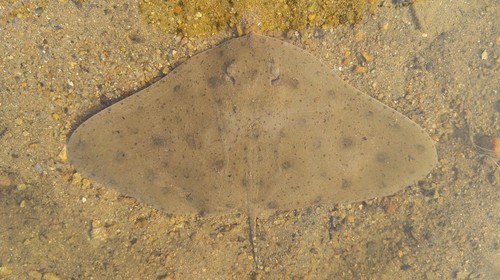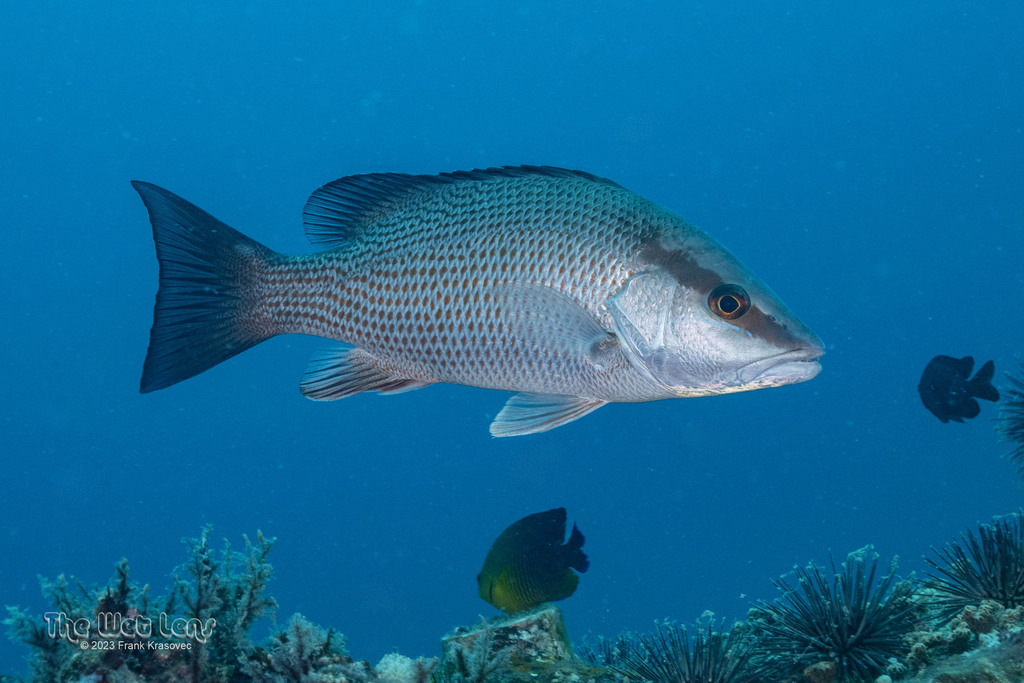
Crimson snapper/Gold Striped Snapper
lutjanus erythropterus (juv.)
In Stock
Common stock
Wild Caught
Moderate care
With Caution
SKU: ML-MF-0312
The Crimson Snapper is known for its stunning coloration and active behavior, making it a prized addition to marine aquariums.
Pricing for Verified Importers
Log in to see wholesale prices and order.
Export Size
up to 60.0 cm
Origin
Indo-Pacific
Temperature
24.0–28.0°C
Min. Tank Size
250 L
Salinity
20.000–25.000 ppt
pH
8.00–8.40
Diet
carnivore
The Crimson Snapper, scientifically known as Lutjanus erythropterus, is a vibrant marine fish that captivates aquarists with its striking gold and red hues. Juveniles typically display a rich crimson body adorned with bold golden stripes, which become even more pronounced as they mature. This species can be found in the warm, shallow waters of the Indo-Pacific region, particularly around coral reefs and rocky structures, where they thrive in a range of habitats that provide both shelter and abundant food sources.
In terms of behavior, the Crimson Snapper is known to be quite active and social, often seen swimming in groups or schools. They are carnivorous predators, primarily feeding on smaller fish and invertebrates. Their agile movements and inquisitive nature make them fascinating to observe, both in the wild and in captivity. The species is also recognized for its adaptability, able to thrive in varying environmental conditions, which aids in its popularity within the aquarium trade.
As they grow, the Crimson Snapper can reach sizes of up to 60 cm in length, making them a visually impactful species for larger aquariums. Their vibrant appearance and dynamic behavior contribute to their status as a sought-after species among marine fish enthusiasts. Proper care and habitat considerations are essential to maintain their health and well-being in an aquarium setting.
Overall, the Crimson Snapper is not only an aesthetically pleasing addition to marine displays but also offers an engaging experience for aquarists who appreciate active and colorful fish. This species plays an important role in its natural ecosystem, and with responsible sourcing, it can continue to thrive in both wild and captive environments.
In terms of behavior, the Crimson Snapper is known to be quite active and social, often seen swimming in groups or schools. They are carnivorous predators, primarily feeding on smaller fish and invertebrates. Their agile movements and inquisitive nature make them fascinating to observe, both in the wild and in captivity. The species is also recognized for its adaptability, able to thrive in varying environmental conditions, which aids in its popularity within the aquarium trade.
As they grow, the Crimson Snapper can reach sizes of up to 60 cm in length, making them a visually impactful species for larger aquariums. Their vibrant appearance and dynamic behavior contribute to their status as a sought-after species among marine fish enthusiasts. Proper care and habitat considerations are essential to maintain their health and well-being in an aquarium setting.
Overall, the Crimson Snapper is not only an aesthetically pleasing addition to marine displays but also offers an engaging experience for aquarists who appreciate active and colorful fish. This species plays an important role in its natural ecosystem, and with responsible sourcing, it can continue to thrive in both wild and captive environments.
To provide optimal care for the Crimson Snapper, it is essential to maintain specific water parameters. The ideal temperature range is between 24°C to 28°C, with a salinity of 1.020 to 1.025 ppt. pH levels should be kept between 8.0 and 8.4 to mimic their natural habitat. A minimum tank size of 250 liters is recommended to accommodate their active swimming behavior and ensure ample space for hiding places and swimming room.
Feeding the Crimson Snapper requires a varied diet, primarily consisting of high-quality carnivorous pellets, frozen or live foods such as shrimp, small fish, and other marine invertebrates. Regular feedings of 2-3 times a day will encourage healthy growth and vibrant coloration. It is important to monitor their feeding habits to prevent overfeeding, which can lead to health issues.
Compatibility with other species is generally good, but caution should be exercised when introducing them into community tanks. They may display territorial behavior, especially as they mature, so it's best to house them with similarly sized or larger fish. Acclimation should be gradual, allowing the fish to adjust to new water conditions slowly. Quarantine new arrivals for at least 2 weeks to prevent the introduction of diseases to your main tank.
Feeding the Crimson Snapper requires a varied diet, primarily consisting of high-quality carnivorous pellets, frozen or live foods such as shrimp, small fish, and other marine invertebrates. Regular feedings of 2-3 times a day will encourage healthy growth and vibrant coloration. It is important to monitor their feeding habits to prevent overfeeding, which can lead to health issues.
Compatibility with other species is generally good, but caution should be exercised when introducing them into community tanks. They may display territorial behavior, especially as they mature, so it's best to house them with similarly sized or larger fish. Acclimation should be gradual, allowing the fish to adjust to new water conditions slowly. Quarantine new arrivals for at least 2 weeks to prevent the introduction of diseases to your main tank.
The Crimson Snapper is suitable for shipping due to its hardy nature. When packing, maintain a density of 1-2 fish per liter to minimize stress. Ideal shipping temperatures should be between 24°C to 26°C, which helps reduce mortality rates during transit. This species is not listed under CITES, allowing for easier international trade, but proper documentation is still recommended for export.
Species Parameters
Max Adult Size
60.0 cm
Origin
Indo-Pacific
Diet
carnivore
Temp Min
24.0 °C
Temp Max
28.0 °C
Salinity Min
20.000
Salinity Max
25.000
pH Min
8.00
pH Max
8.40
Min Tank
250 L