Leopard Frogfish
antennarius pardalis
In Stock
Common stock
Wild Caught
Moderate care
With Caution
SKU: ML-MF-0288
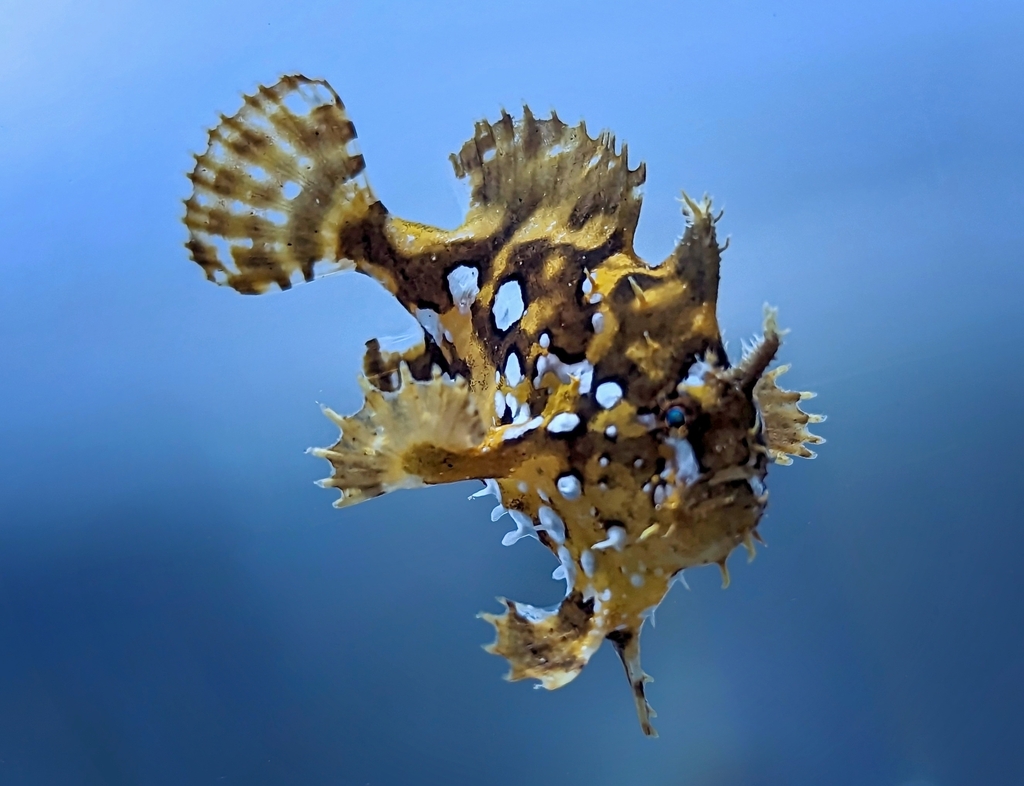
The Leopard Frogfish is a captivating marine predator known for its unique appearance and exceptional camouflage.
Pricing for Verified Importers
Log in to see wholesale prices and order.
Export Size
up to 15.0 cm
Origin
Indo-Pacific
Temperature
24.0–28.0°C
Min. Tank Size
100 L
Salinity
35.000–35.000 ppt
pH
8.10–8.40
Diet
carnivore
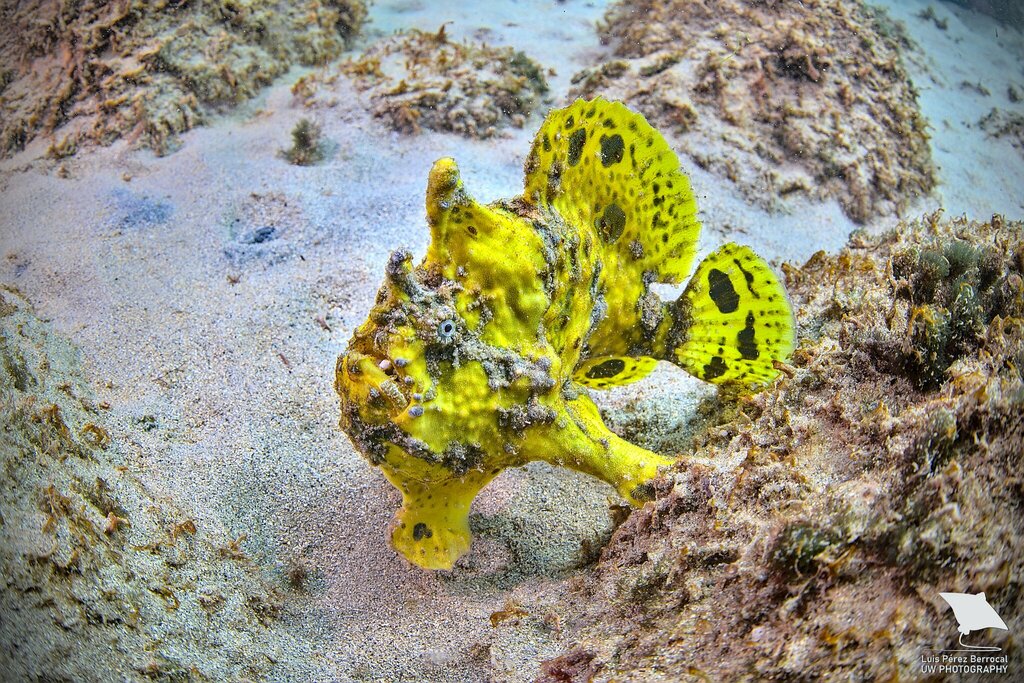
The Leopard Frogfish (Antennarius pardalis) is a fascinating marine fish found predominantly in the tropical waters of the Indo-Pacific region. With its striking mottled coloration and irregular body shape, this species has evolved to blend seamlessly into its surroundings, often resembling sponges or corals. This remarkable adaptation allows it to ambush prey, primarily small fish and invertebrates, with surprising speed and agility despite its seemingly sedentary lifestyle.
Leopard Frogfish can reach a maximum size of approximately 15 cm, with their bodies covered in fleshy appendages that enhance their camouflage. Their unique pectoral fins enable them to 'walk' across the ocean floor, a behavior that further aids in their predatory tactics. In terms of coloration, they exhibit a variety of patterns, ranging from yellow to green and brown, which help them to remain undetected by both prey and predators alike.
Socially, Leopard Frogfish are generally solitary, preferring to establish their territory within a suitable habitat. They are often found in shallow waters, typically around coral reefs, where they can find ample hiding spots and hunting opportunities. Their behavior includes a fascinating display during spawning, where they can be seen floating in pairs, releasing eggs and sperm into the water column.
Habitat-wise, Leopard Frogfish thrive in environments with plenty of structure, such as rocky substrates, coral reefs, and seagrass beds. Their preference for these habitats allows them to utilize their camouflage and ambush tactics effectively, making them one of the most intriguing species in the marine ecosystem.
Leopard Frogfish can reach a maximum size of approximately 15 cm, with their bodies covered in fleshy appendages that enhance their camouflage. Their unique pectoral fins enable them to 'walk' across the ocean floor, a behavior that further aids in their predatory tactics. In terms of coloration, they exhibit a variety of patterns, ranging from yellow to green and brown, which help them to remain undetected by both prey and predators alike.
Socially, Leopard Frogfish are generally solitary, preferring to establish their territory within a suitable habitat. They are often found in shallow waters, typically around coral reefs, where they can find ample hiding spots and hunting opportunities. Their behavior includes a fascinating display during spawning, where they can be seen floating in pairs, releasing eggs and sperm into the water column.
Habitat-wise, Leopard Frogfish thrive in environments with plenty of structure, such as rocky substrates, coral reefs, and seagrass beds. Their preference for these habitats allows them to utilize their camouflage and ambush tactics effectively, making them one of the most intriguing species in the marine ecosystem.
When caring for Leopard Frogfish, it is crucial to maintain stable water parameters to ensure their health and well-being. The ideal temperature range is between 24°C and 28°C, with a salinity level of 1.020 to 1.025 ppt. A pH level between 8.1 and 8.4 is also recommended. It is essential to provide ample hiding spots in the aquarium using live rock or coral to mimic their natural environment.
Feeding Leopard Frogfish requires a diet primarily consisting of live food, such as small fish and crustaceans. They are ambush predators and will thrive best when fed live prey that they can hunt. Compatibility with other species should be approached with caution, as they may eat smaller tank mates. It is advisable to keep them in a species-specific tank or with larger, non-aggressive fish.
Acclimation is a critical step when introducing Leopard Frogfish to a new environment. A slow acclimation process over several hours can help reduce stress. Quarantine is also recommended for new arrivals to prevent the introduction of diseases into the main tank. Regular water quality monitoring and maintenance will contribute to the overall health of this unique species.
Feeding Leopard Frogfish requires a diet primarily consisting of live food, such as small fish and crustaceans. They are ambush predators and will thrive best when fed live prey that they can hunt. Compatibility with other species should be approached with caution, as they may eat smaller tank mates. It is advisable to keep them in a species-specific tank or with larger, non-aggressive fish.
Acclimation is a critical step when introducing Leopard Frogfish to a new environment. A slow acclimation process over several hours can help reduce stress. Quarantine is also recommended for new arrivals to prevent the introduction of diseases into the main tank. Regular water quality monitoring and maintenance will contribute to the overall health of this unique species.
Leopard Frogfish are suitable for shipping, provided they are packed securely to minimize stress. A packing density of 1 fish per 10 liters is recommended to ensure ample space. They are sensitive to temperature fluctuations, so maintaining a consistent temperature between 24°C and 28°C during transit is essential. As of now, there is no specific CITES status listed for this species, but compliance with local and international regulations is advised.
Species Parameters
Max Adult Size
15.0 cm
Origin
Indo-Pacific
Diet
carnivore
Temp Min
24.0 °C
Temp Max
28.0 °C
Salinity Min
35.000
Salinity Max
35.000
pH Min
8.10
pH Max
8.40
Min Tank
100 L