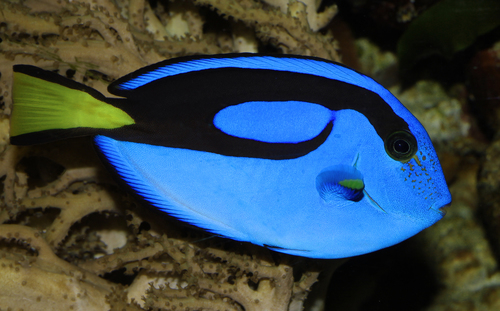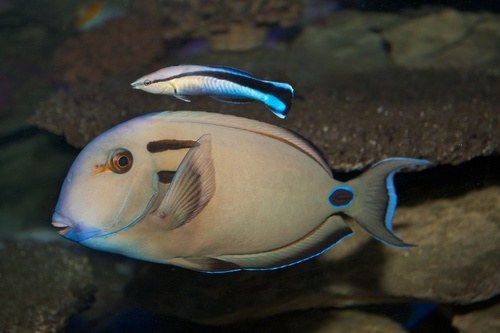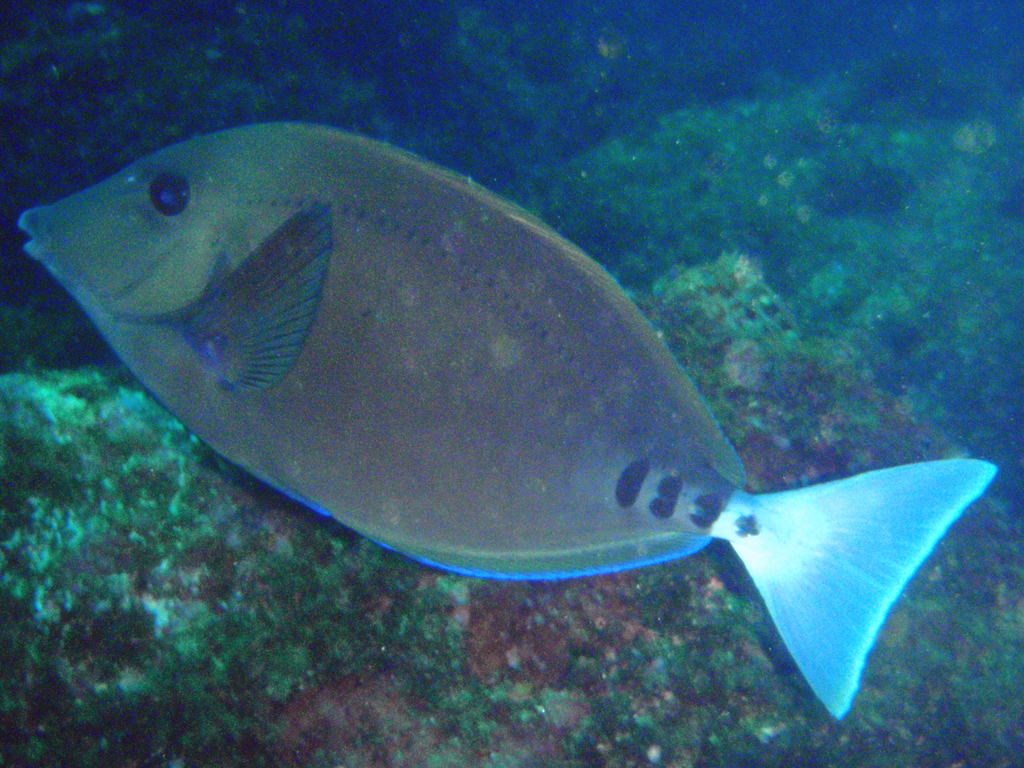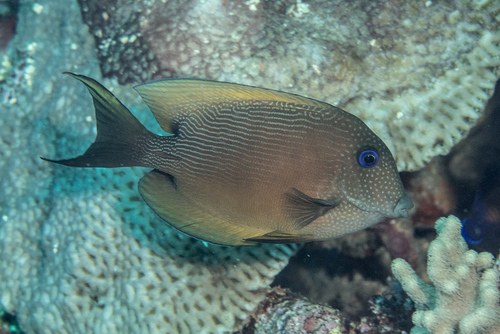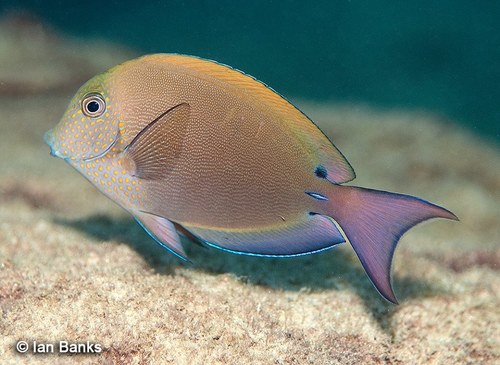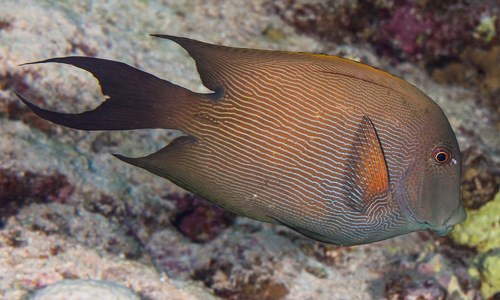
Striatus Surgeonfish
Ctenochaetus striatus
In Stock
Common stock
Wild Caught
Moderate care
With Caution
SKU: CB-MF-0298
The Striatus Surgeonfish boasts vibrant colors and unique stripes, making it a stunning addition to any marine aquarium.
Pricing for Verified Importers
Log in to see wholesale prices and order.
Export Size
up to 30.0 cm
Origin
Indo-Pacific
Temperature
24.0–28.0°C
Min. Tank Size
200 L
Salinity
32.000–36.000 ppt
pH
8.10–8.40
Diet
herbivore
The Striatus Surgeonfish, scientifically known as Ctenochaetus striatus, is a captivating marine fish native to the coral reefs of the Indo-Pacific region. This species is especially noted for its striking appearance, characterized by a series of horizontal stripes that run along its body. These stripes, combined with its vibrant blue and yellow coloration, make the Striatus Surgeonfish a visually appealing choice for aquarium enthusiasts and collectors alike. As an herbivorous fish, it plays a crucial role in maintaining the health of coral reef ecosystems by grazing on algae and preventing overgrowth.
In terms of behavior, the Striatus Surgeonfish is known to be relatively social, often found in small schools or pairs. These fish exhibit a degree of territoriality, particularly during mating seasons. They are active swimmers and prefer to inhabit shallow reef environments where they can easily access food sources. The Striatus Surgeonfish is generally peaceful but may display aggressive behaviors towards similar species, especially in confined spaces.
The natural habitat of the Striatus Surgeonfish typically includes coral reefs, rocky substrates, and lagoons. They thrive in warm, tropical waters, where they can find abundant algae and plant life to sustain their herbivorous diet. As a species, they are adapted to a variety of reef environments, showcasing their resilience and versatility in marine ecosystems. Due to their dietary habits and ecological role, they are considered vital to the health of reef communities.
Overall, the Striatus Surgeonfish is not just a beautiful fish but also an important species for maintaining ecological balance in its natural habitat. Its unique features and behaviors make it a desirable choice for marine aquarium setups, appealing to both novice and experienced aquarists.
In terms of behavior, the Striatus Surgeonfish is known to be relatively social, often found in small schools or pairs. These fish exhibit a degree of territoriality, particularly during mating seasons. They are active swimmers and prefer to inhabit shallow reef environments where they can easily access food sources. The Striatus Surgeonfish is generally peaceful but may display aggressive behaviors towards similar species, especially in confined spaces.
The natural habitat of the Striatus Surgeonfish typically includes coral reefs, rocky substrates, and lagoons. They thrive in warm, tropical waters, where they can find abundant algae and plant life to sustain their herbivorous diet. As a species, they are adapted to a variety of reef environments, showcasing their resilience and versatility in marine ecosystems. Due to their dietary habits and ecological role, they are considered vital to the health of reef communities.
Overall, the Striatus Surgeonfish is not just a beautiful fish but also an important species for maintaining ecological balance in its natural habitat. Its unique features and behaviors make it a desirable choice for marine aquarium setups, appealing to both novice and experienced aquarists.
For successful care of the Striatus Surgeonfish in captivity, it is essential to maintain optimal water parameters. Ideal temperature ranges from 24 to 28 degrees Celsius, with a salinity level between 32 and 36 ppt. The pH should be kept between 8.1 and 8.4 to mimic their natural environment. It is recommended to provide a minimum tank size of 200 liters to ensure adequate swimming space and reduce territorial disputes.
Feeding the Striatus Surgeonfish should focus on a diet rich in marine algae, supplemented with high-quality herbivore pellets and frozen foods such as spirulina and seaweed. Keeping a varied diet helps maintain their health and vibrant coloration. Compatibility with other species generally includes peaceful tankmates; however, caution should be exercised when housing them with similar surgeonfish species to prevent aggression.
Acclimation should be conducted slowly to minimize stress, ideally over a period of several hours. Quarantine new arrivals for at least two weeks to prevent the introduction of any diseases into established tanks. Regular water quality testing and maintenance are crucial for sustaining the well-being of the Striatus Surgeonfish, ensuring a thriving aquarium environment.
Feeding the Striatus Surgeonfish should focus on a diet rich in marine algae, supplemented with high-quality herbivore pellets and frozen foods such as spirulina and seaweed. Keeping a varied diet helps maintain their health and vibrant coloration. Compatibility with other species generally includes peaceful tankmates; however, caution should be exercised when housing them with similar surgeonfish species to prevent aggression.
Acclimation should be conducted slowly to minimize stress, ideally over a period of several hours. Quarantine new arrivals for at least two weeks to prevent the introduction of any diseases into established tanks. Regular water quality testing and maintenance are crucial for sustaining the well-being of the Striatus Surgeonfish, ensuring a thriving aquarium environment.
The Striatus Surgeonfish is suitable for shipping due to its resilience. Packing density should not exceed 1 fish per 5 liters of water to avoid stress. Temperature sensitivity requires maintaining a stable range of 24 to 28 degrees Celsius during transit. This species is not listed under CITES, making export procedures more straightforward.
Species Parameters
Max Adult Size
30.0 cm
Origin
Indo-Pacific
Diet
herbivore
Temp Min
24.0 °C
Temp Max
28.0 °C
Salinity Min
32.000
Salinity Max
36.000
pH Min
8.10
pH Max
8.40
Min Tank
200 L