CITES App. II
Long stalk polyp color
Palithoa
In Stock
Common stock
Aquacultured
Easy care
Reef Safe ✓
SKU: CRPALIlongs2
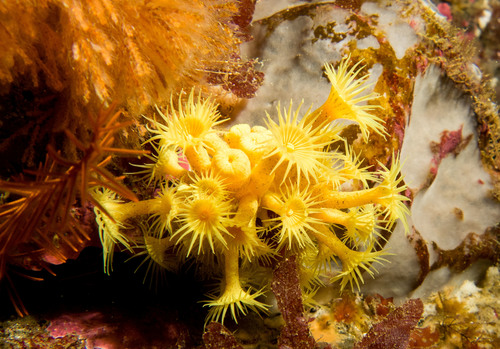
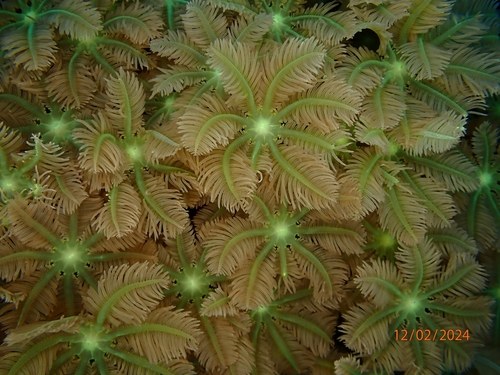
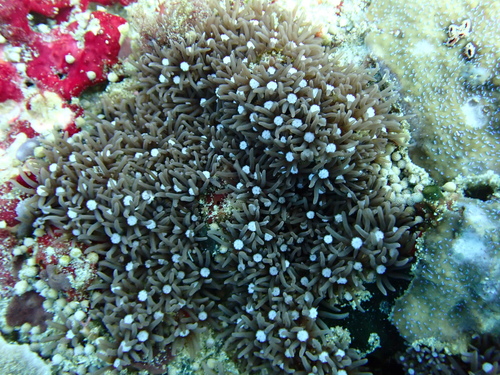
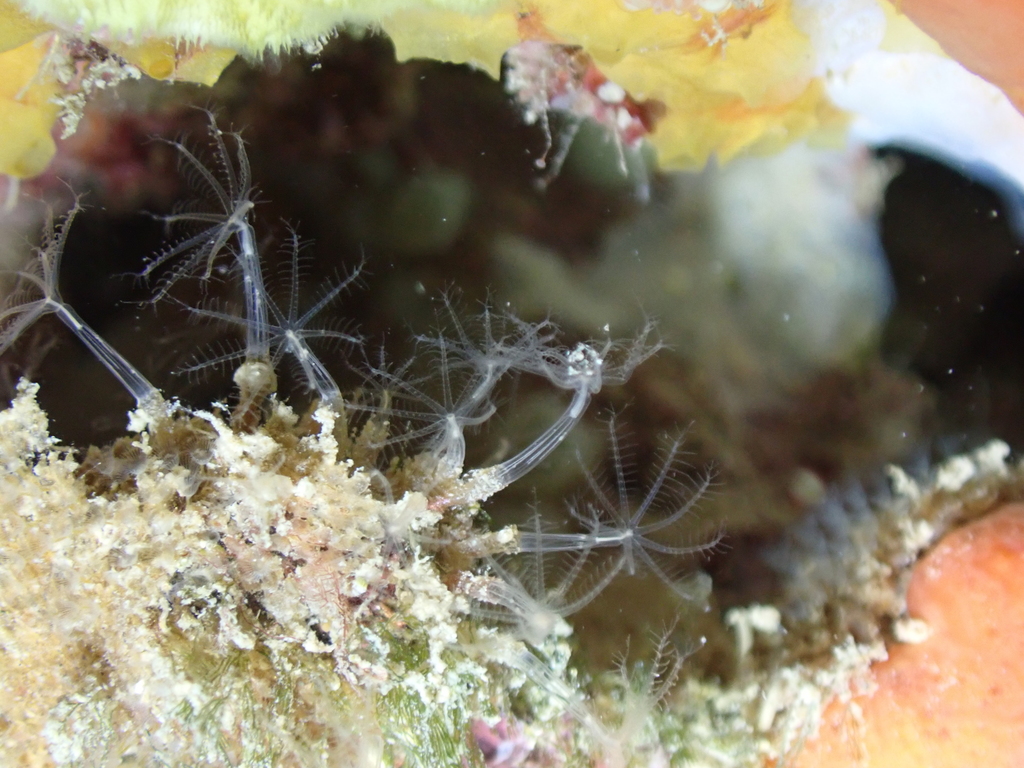
The Long Stalk Polyp Coral (Palithoa) features stunning color variations and unique growth forms.
Pricing for Verified Importers
Log in to see wholesale prices and order.
Export Size
up to 30.0 cm
Origin
Coral Triangle
Temperature
24.0–28.0°C
Min. Tank Size
100 L
Salinity
34.000–36.000 ppt
Long Stalk Polyp Coral, scientifically known as Palithoa, is a captivating species found predominantly in the warm, shallow waters of the Coral Triangle. This coral is characterized by its long, slender tentacles that sway gracefully in the current, creating a mesmerizing display. Its vibrant colors, which can range from greens and browns to bright hues of orange and blue, add a striking visual appeal to any reef aquarium. The polyps are colonial, meaning they grow in clusters, which provides a lush appearance and enhances the overall biodiversity in the tank.
In natural habitats, Palithoa corals thrive in well-lit areas where they can directly capture sunlight, essential for their photosynthetic symbionts, known as zooxanthellae. These symbiotic relationships not only provide energy through photosynthesis but also contribute to the coral's coloration. Long Stalk Polyp Coral is often found on rocky substrates, where it can secure itself against strong currents while facilitating nutrient uptake from the surrounding water.
Behaviorally, Palithoa corals are known for their resilience and adaptability. They exhibit slow growth rates but can thrive in varying light conditions, making them suitable for both novice and experienced aquarists. Their tentacles actively capture plankton and organic matter, which supplement their nutrition beyond what is provided by their symbiotic algae. This makes them a versatile choice for reef tanks, particularly as they contribute to the overall health of the aquarium ecosystem.
In terms of habitat, these corals are typically found in tropical environments, where they play a crucial role in reef ecology. They provide shelter for numerous marine species, thus fostering a rich community of marine life. The Long Stalk Polyp Coral is a true testament to the beauty and complexity of coral reefs, making it a prized addition to any aquatic setting.
In natural habitats, Palithoa corals thrive in well-lit areas where they can directly capture sunlight, essential for their photosynthetic symbionts, known as zooxanthellae. These symbiotic relationships not only provide energy through photosynthesis but also contribute to the coral's coloration. Long Stalk Polyp Coral is often found on rocky substrates, where it can secure itself against strong currents while facilitating nutrient uptake from the surrounding water.
Behaviorally, Palithoa corals are known for their resilience and adaptability. They exhibit slow growth rates but can thrive in varying light conditions, making them suitable for both novice and experienced aquarists. Their tentacles actively capture plankton and organic matter, which supplement their nutrition beyond what is provided by their symbiotic algae. This makes them a versatile choice for reef tanks, particularly as they contribute to the overall health of the aquarium ecosystem.
In terms of habitat, these corals are typically found in tropical environments, where they play a crucial role in reef ecology. They provide shelter for numerous marine species, thus fostering a rich community of marine life. The Long Stalk Polyp Coral is a true testament to the beauty and complexity of coral reefs, making it a prized addition to any aquatic setting.
For optimal care of Long Stalk Polyp Coral, maintain stable water parameters within the following ranges: temperature between 24°C and 28°C, salinity around 34-36 ppt, and pH levels from 8.1 to 8.4. Adequate lighting is essential; provide moderate to high light intensity to support the photosynthetic needs of the coral. Additionally, ensure good water circulation to facilitate nutrient exchange and waste removal.
Feeding should include a mix of fine particulate foods, such as coral pellets or powdered foods, supplemented with occasional offerings of live or frozen microplankton. Compatibility is generally good with other reef-safe species; however, caution should be exercised with aggressive corals that may outcompete them for space and resources.
Acclimation should be approached carefully, introducing the coral slowly to the main tank environment to minimize stress. Quarantine new arrivals for at least two weeks to monitor for pests or diseases, ensuring the health of your existing coral and fish populations. By following these guidelines, Long Stalk Polyp Coral can thrive and contribute to a vibrant and healthy reef aquarium.
Feeding should include a mix of fine particulate foods, such as coral pellets or powdered foods, supplemented with occasional offerings of live or frozen microplankton. Compatibility is generally good with other reef-safe species; however, caution should be exercised with aggressive corals that may outcompete them for space and resources.
Acclimation should be approached carefully, introducing the coral slowly to the main tank environment to minimize stress. Quarantine new arrivals for at least two weeks to monitor for pests or diseases, ensuring the health of your existing coral and fish populations. By following these guidelines, Long Stalk Polyp Coral can thrive and contribute to a vibrant and healthy reef aquarium.
Long Stalk Polyp Coral is suitable for export, provided proper care during transit. Use insulated containers with adequate water volume to maintain temperature stability, ideally between 24°C and 28°C. Packing density should be moderate to avoid physical damage. The species is not listed under CITES, simplifying the shipping process.
Species Parameters
Max Adult Size
30.0 cm
Origin
Coral Triangle
Habitat
reef
Temp Min
24.0 °C
Temp Max
28.0 °C
Salinity Min
34.000
Salinity Max
36.000
Min Tank
100 L